


How Much More Expensive Is Business Class? Real 2026 Data
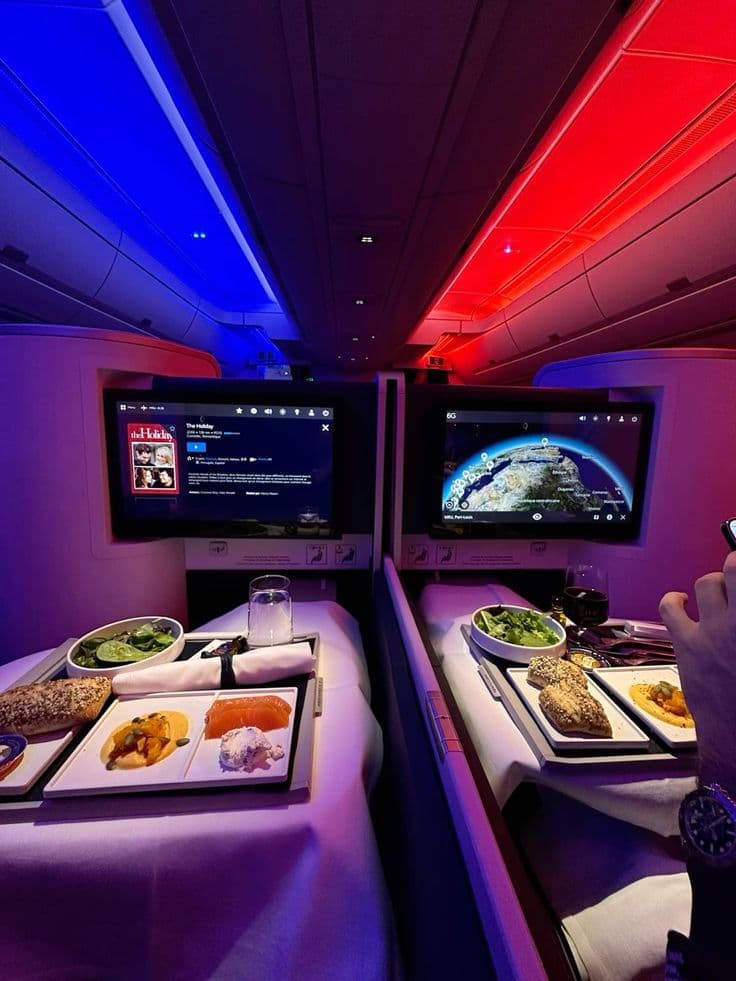
How much more expensive is business class? The honest answer depends on which of two prices you compare. Most articles quote the published fare, the number an airline website shows for your dates. However, a second market sits underneath it, where wholesale and consolidator fares price the same cabin far lower. The gap between those two numbers is often larger than the gap between economy and business itself.
This piece uses our own July 2026 fare table rather than survey averages. Winghoppers negotiates business class fares daily, so we can show what the front cabin actually clears for, route by route.
What Business Class Actually Costs in July 2026
The numbers below come from our own negotiated fare table, checked in July 2026. Each figure is a round trip per passenger from New York, framed as a starting point rather than a promise, because dates and demand always move the final quote. Next to each fare sits the published-fare estimate we track for the same route and cabin.
- London: recent negotiated fares started around $1,929, against published estimates near $3,500
- Amsterdam: from about $1,919, published estimates near $3,500
- Frankfurt: from about $1,989, published estimates near $3,600
- Paris: from about $2,009, published estimates near $3,650
- Dubai: from about $2,485, published estimates near $4,500
- Tokyo: from about $2,519, published estimates near $4,600
- Singapore: from about $2,565, published estimates near $4,650
- Sydney: from about $3,325, published estimates near $6,050
Two patterns stand out. First, transatlantic routes cluster just under $2,000 on the negotiated side, while published fares for the same seats sit $1,500 or more above them. Second, distance is not destiny: Dubai and Tokyo price within about $35 of each other despite very different flight times, because competition on a route matters more than mileage.
How Much More Expensive Is Business Class Than Economy?
Against economy, the multiple is real but unstable. A domestic economy itinerary averages a few hundred dollars on BTS data, and international economy swings from sale fares to four figures in peak weeks. Consequently, business class can run anywhere from roughly double a peak economy fare to several times a sale fare on the same aircraft.
The reasons the cabin carries that premium are structural. A lie-flat seat consumes the floor space of three or four economy seats, the tickets are usually flexible and refundable, and airlines price the cabin for travelers booking late on someone else's budget. We unpack that economics in Why Is Business Class So Expensive?, but the short version is that the premium pays for space, flexibility and timing.
The two prices that matter more than the multiple
For an actual booking decision, the economy multiple is the wrong comparison. The useful one is published business class against negotiated business class, because that is the same seat at two different prices. On the London route above, that difference alone is larger than most economy round trips. Timing shifts it further, and our guide on the Best Time to Buy Business Class Tickets shows how the booking window moves premium fares.
The gap between the published fare and the negotiated fare is different on every route and every date.
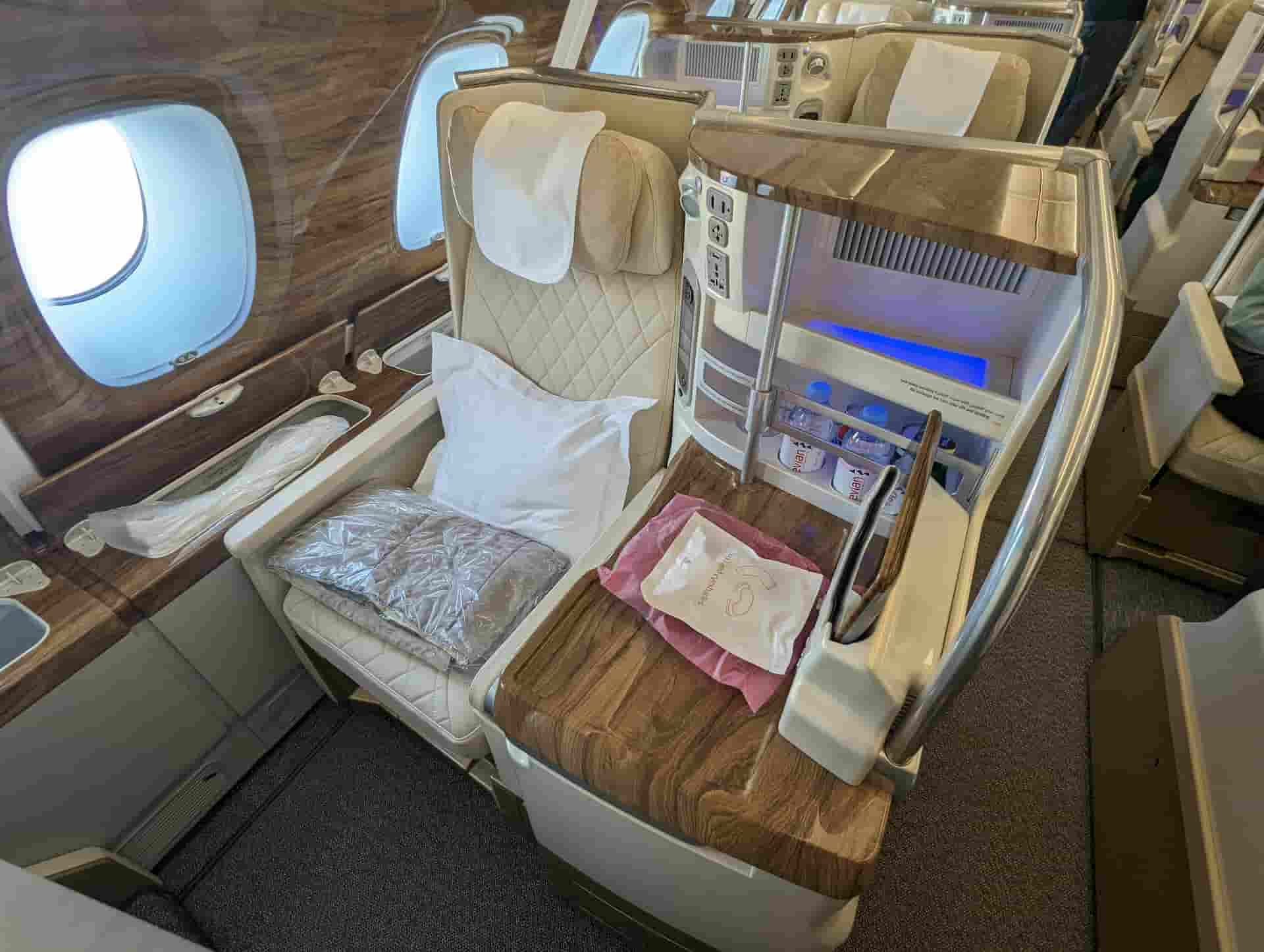
Buying outright is not the only way into the cabin. We run the same math against miles, cash offers and bidding in how to upgrade to business class.
Why the Same Seat Has Two Prices
The two-price structure is not a loophole. Airlines sell a slice of every premium cabin through wholesale channels, at rates they never publish, because a seat that flies empty earns nothing. Consolidators buy that inventory in volume, and concierge services like ours search across those networks for a specific route and date. The airline fills the cabin quietly, and the traveler pays a fare the public site never displays.
That structure explains why the answer to how much more expensive is business class changes with the channel. On the published market, the premium over economy looks fixed and steep. On the negotiated market, the same seat can land close enough to a flexible economy fare that the comparison flips. Neither number is wrong; they are simply different markets for identical inventory.
Season sharpens the effect. Our fare table stays relatively steady through the year because negotiated space is contracted ahead, while published fares spike hard around holidays, fairs and school breaks. As a result, the gap between the two prices is usually widest exactly when travel is most expensive, which is also when a quote is most worth requesting.
How we compiled these numbers
Every figure above comes from the fare table behind our destination pages, refreshed against our booking data and checked in July 2026. Prices are round trip, per passenger, from New York, and always framed as a starting point. Published-fare estimates reflect the typical range we track for the same cabin, not a single day's screenshot. When a route moves, the destination page moves with it, so the pages stay the live source of record.
Reading the Data: When the Premium Makes Sense
The pattern in our table points to a simple rule. On overnight routes of seven hours or more, the negotiated front cabin often costs less than travelers assume the published fare demands, which changes the math on arriving rested. For shorter hops, economy usually wins on value, and the honest assessment in Is Business Class Worth It? The Honest Answer applies route by route.
Destination pages carry the current starting fares we track, for example business class flights to London and the fare notes in our guide to business class flights to Japan. For the process itself, from request to a personal quote, our how it works page walks through each step.
Frequently Asked Questions
How much more expensive is business class over economy?
There is no fixed multiple. Business class commonly runs from about twice a peak-season economy fare to several times a sale fare on the same route. The multiple swings with season, route competition and how late you book, so compare real quotes rather than rules of thumb.
What is the average cost of a business class ticket?
On our July 2026 negotiated fare table, round trips from New York start around $1,919 to $2,009 for major European cities and $2,485 to $2,585 for the Gulf and Asia. Published fares for the same seats typically list $1,500 or more above those starting points.
Is upgrading to business class worth it?
It depends on the flight and the price you actually pay. On overnight routes of seven hours or more, a flat bed changes how you land, and negotiated fares shrink the premium substantially. On short daytime hops, the cabin difference rarely justifies the extra spend.
Why is business class so much more expensive than economy?
Each lie-flat seat takes the floor space of three or four economy seats, the fares are usually flexible and refundable, and airlines price the cabin for late-booking demand. You pay for space, flexibility and timing rather than just a bigger chair.
Most popular stories
View all
The Worst Business Class Seats, and How to Spot Them
The weakest business class cabins fly on well known airlines, on aircraft that were never refitted, at the same price as far better seats.
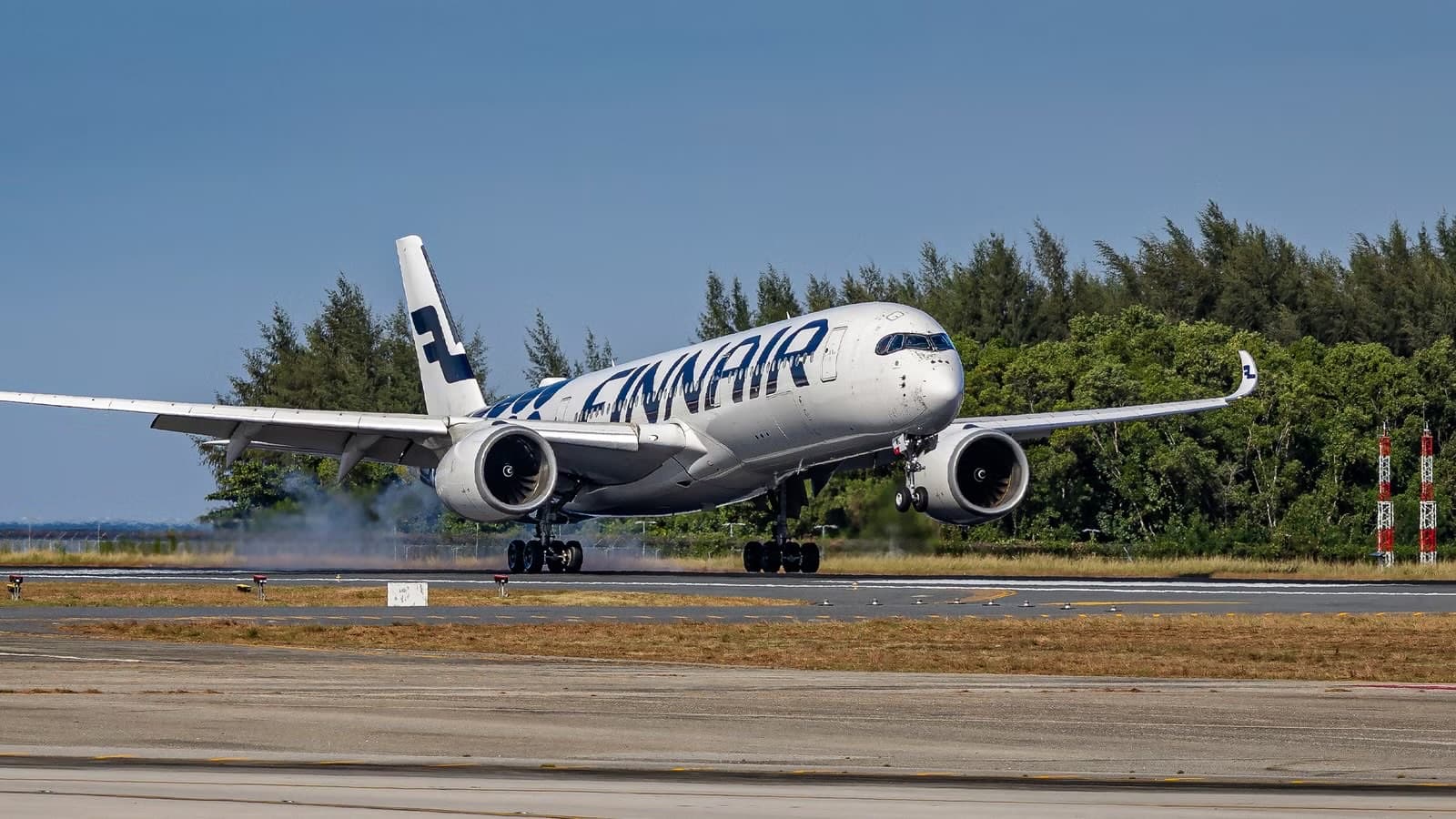
Fifth Freedom Flights: Widebody Cabins on Short Routes
A fifth freedom flight puts a long haul widebody and its flat bed on a route that would normally get a narrowbody recliner. How to find them.
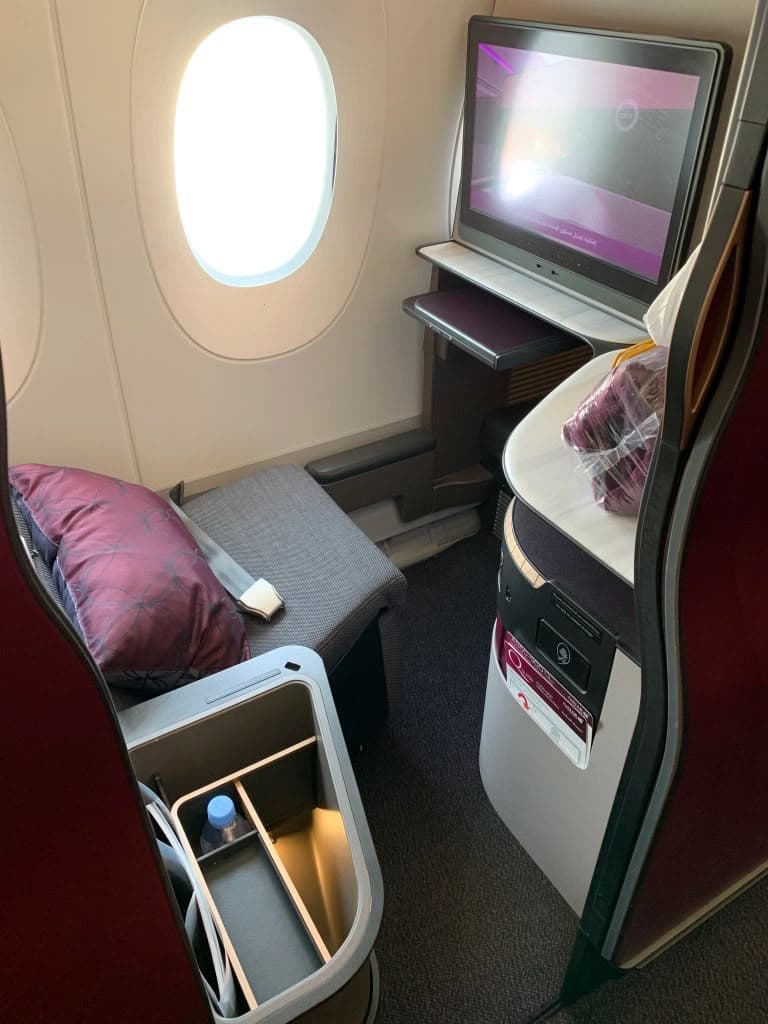
Reverse Herringbone: How to Read a Business Class Cabin
The seat layout decides your flight more than the airline does. How to spot reverse herringbone, staggered and legacy cabins before you pay.
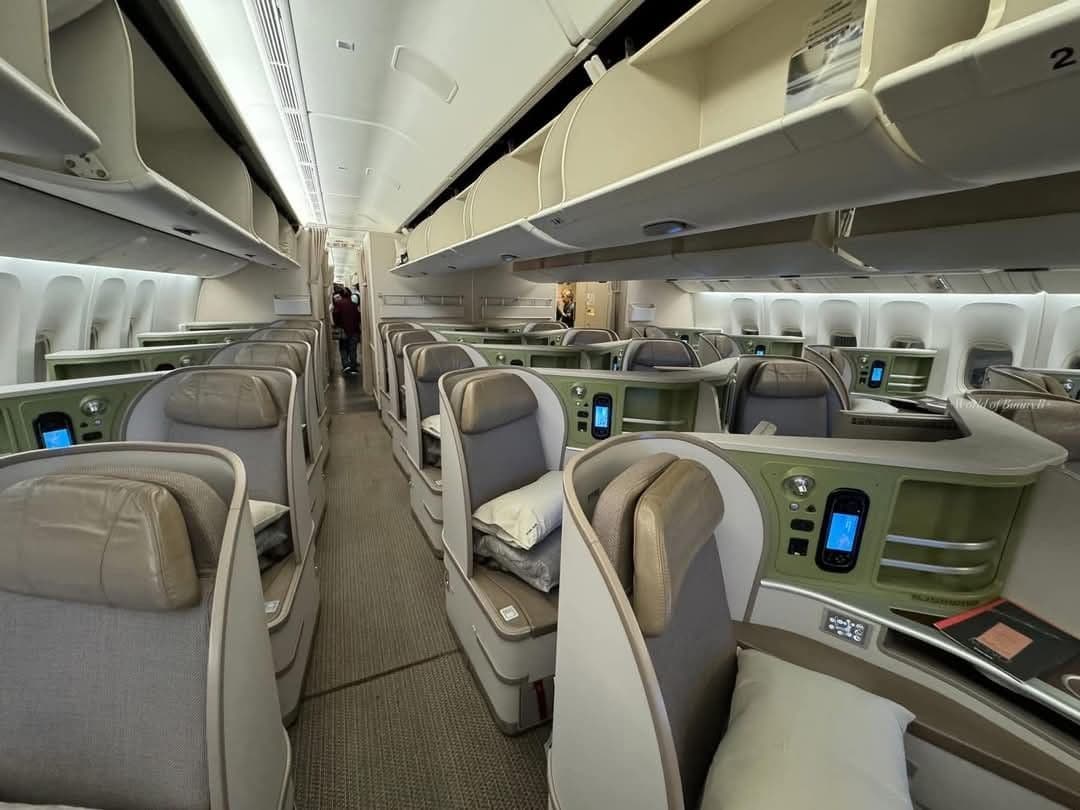
Boeing 787 vs Airbus A350 Business Class: The Numbers
Five inches separate the A350 and 787 cabins. Where that width goes, what it changes in business class, and which aircraft to ask for.
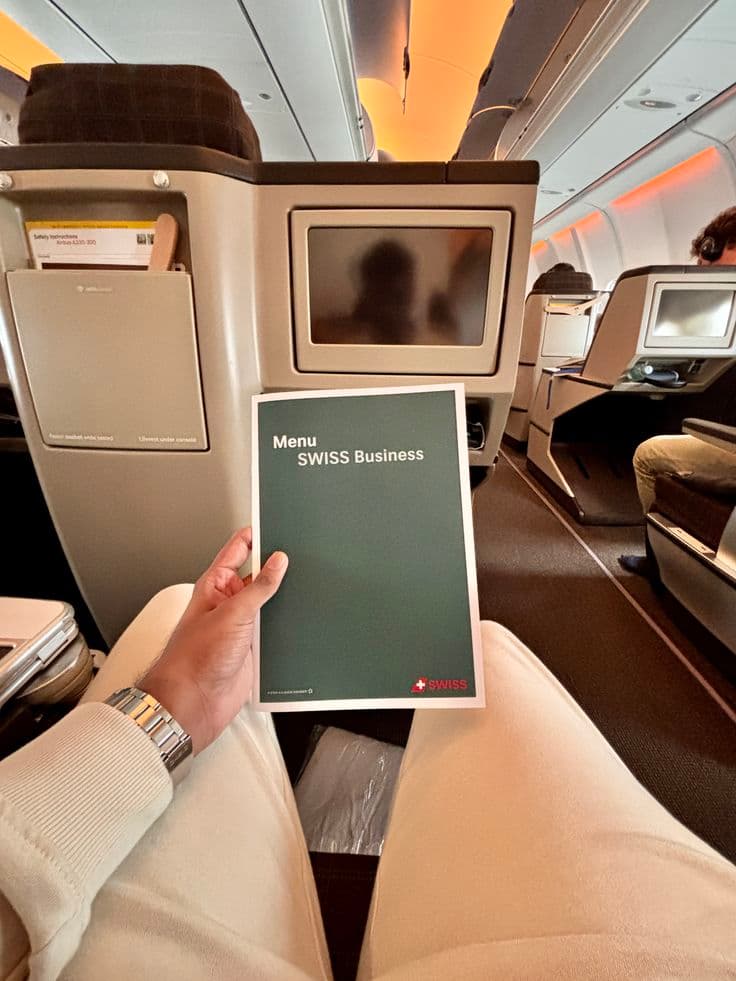
Swiss Business Class vs Lufthansa Allegris: Which to Fly
SWISS put five seat types in its A350 cabin. Lufthansa put seven. Which Lufthansa Group business class is the safer booking?
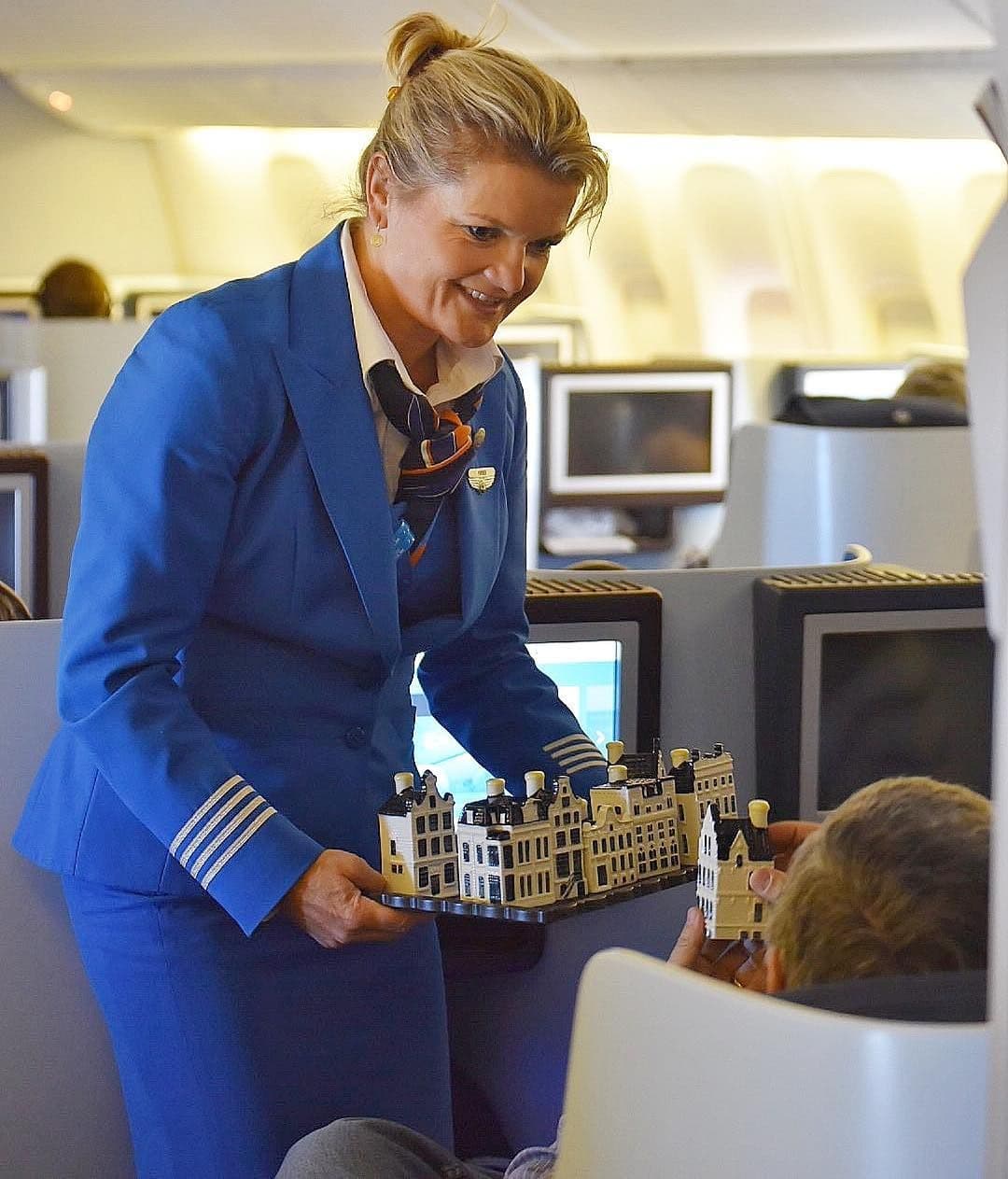
KLM Houses: How to Get One and What They Are Worth
The ceramic miniatures KLM hands out in business class since 1952: how to get one, what is inside, and which are actually worth money.
When to Book Christmas Flights in Business Class
The booking window for holiday business class opens in late July. Which December dates price worst, and the two moves that save real money.
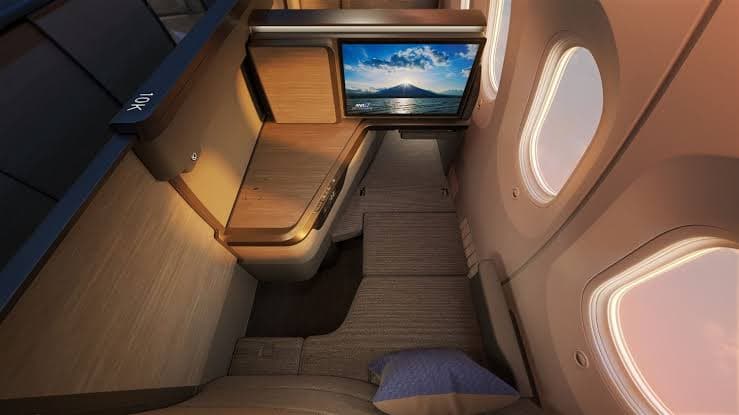
The Best Business Class Seats in 2026, Ranked
The best business class seats in 2026, ranked by the numbers: the widest and most private suites, plus the top options flying from the US.
SAVE UP TO 70%
ON business class TRAVEL