


Is Business Class Worth It? The Honest Answer
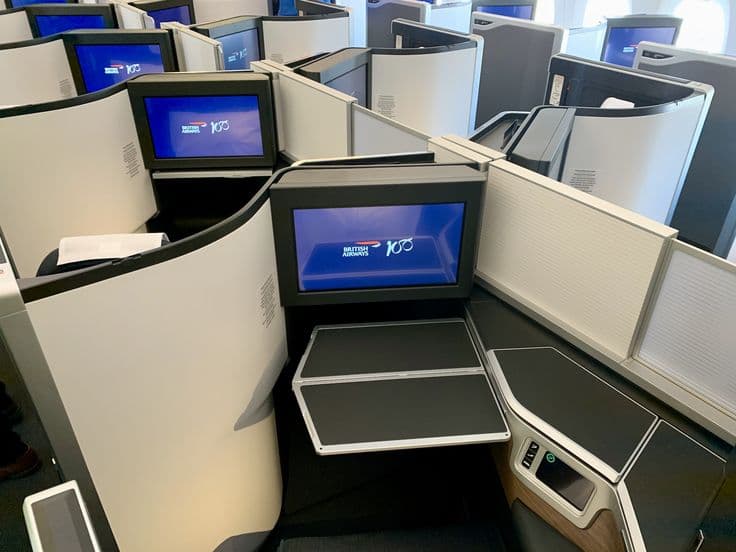
You have looked at the price of a business class ticket and thought: there is no way this is worth it. Most travelers have. The assumption is one of the most persistent myths in premium travel. It suggests business class costs five to ten times more than economy. It assumes that flying premium never makes financial sense without a company card. The reality is more complicated, and considerably more interesting.
This article does not argue that business class is always worth it. It is not. However, it challenges the assumption that the answer is automatically no. It shows you exactly when the math changes.
Myth 1: Business Class Always Costs Five Times More Than Economy
The most common objection to business class is the price multiple. People assume the gap between economy and business class is always three to six times. It is not.
On competitive transatlantic and transpacific routes, business class fares regularly fall to two to three times the economy price in off peak periods. On leisure heavy routes like New York to Mexico City, business class sometimes costs less than twice the economy fare. Additionally, airlines distribute a meaningful share of premium cabin seats through consolidators at below retail rates. These fares rarely appear on standard booking engines.
What Business Class Actually Costs in Practice
A round trip economy ticket from New York to London in off peak season typically runs $450 to $700. Business class on the same route at below retail pricing can be found for $2,200 to $3,200. That is a real gap. However, it is not insurmountable for a traveler making a considered decision. For context on how below retail pricing works, see our guide on what airlines don’t tell you about business class pricing.
The multiplier also shrinks on longer routes. Economy from New York to Tokyo costs $900 to $1,400. Fare ranges for that market sit on our business class flights to Tokyo page. Business class at consolidated rates runs $2,800 to $3,800 on the same route. The percentage gap narrows as the base fare rises. Consequently, the longer and more expensive the trip, the more competitive business class becomes per hour flown.
Myth 2: The Only Reason to Fly Business Class Is Luxury
Business class is frequently framed as a luxury purchase. Our route by route figures in how much more expensive business class is show how far apart the published fare and the negotiated one really sit. It is seen as something you do to feel pampered, not something with measurable practical value. Consequently, travelers dismiss it as frivolous before they run the actual numbers.
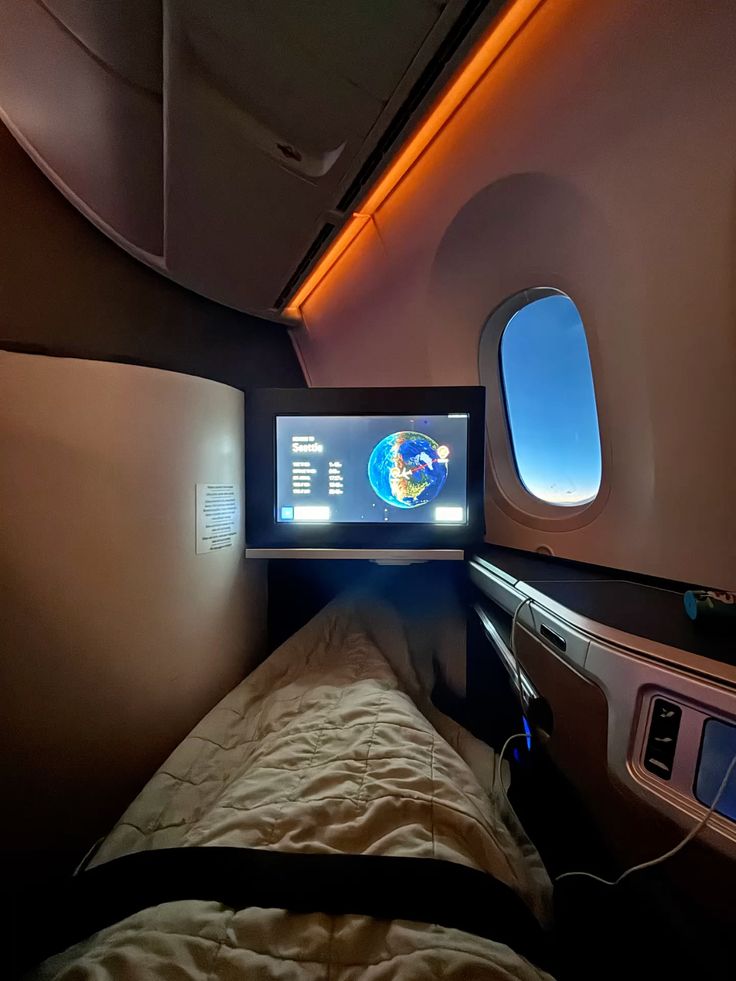
The core practical benefit of long haul business class is sleep. A lie flat bed on a 10 to 14-hour overnight flight means arriving rested. Economy on the same flight means arriving fatigued and stiff. It typically means needing a recovery day before functioning normally. That recovery day is the hidden cost most travelers leave out of the comparison, and it is why we treat the cabin below as a different decision entirely in business class vs premium economy. For a traveler flying to Tokyo for a business meeting, that recovery day has a real cost. It translates to hotel nights, lost work, or simply arriving at a disadvantage.
When the Practical Case Is Strongest
The practical case for business class strengthens under specific conditions. Flight length matters most. On flights under six hours, the flat bed matters less. The flight is short enough that economy is manageable. However, on overnight flights of eight hours or more, the difference in how you arrive is substantial.
Travel purpose also changes the calculation. A traveler flying to a job interview has a different cost benefit equation than someone on holiday. The same applies to a client meeting or high stakes negotiation. Furthermore, frequency of travel matters. Someone flying long haul four times a year who consistently arrives fatigued is making a cumulative health tradeoff. That tradeoff rarely gets factored into the ticket price comparison.
Wondering what business class actually costs on your specific route?
Winghoppers searches across airlines and wholesale networks to find the best available business class price for your dates, not just the published retail fare.
What You Actually Get on an Overnight Flight
The sleep argument stays abstract until you picture the flight itself, so here is how a typical overnight sector runs. Boarding is unhurried, because business class boards first and the overhead space above your seat is still empty. A drink arrives before the doors close.
Dinner is served within the first ninety minutes, from a menu, on real crockery. That timing matters more than the food does. Eat early and you buy yourself a longer sleep window; eat late and you are still awake when the cabin dims.
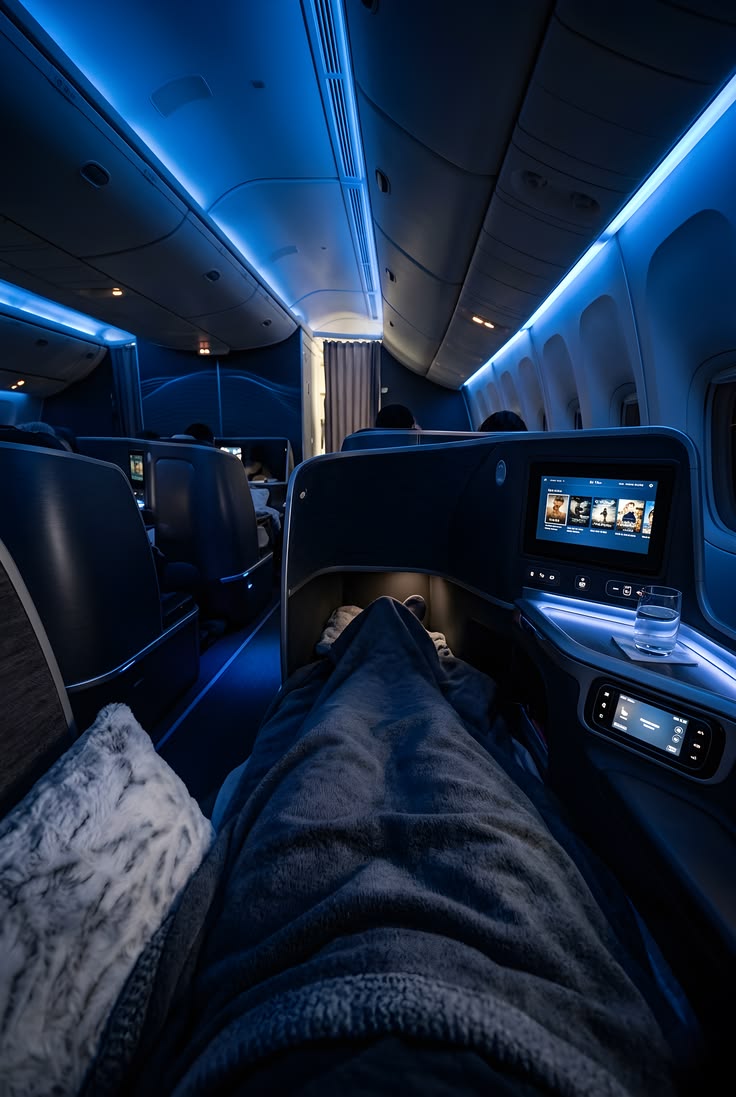
Then the crew turns the lights down and the cabin changes character. Your seat becomes a flat bed, usually with a mattress pad, a proper duvet and a real pillow rather than the folded blanket you get in economy. Nobody asks you to keep quiet; the cabin simply goes quiet on its own, because everyone around you is trying to do the same thing.
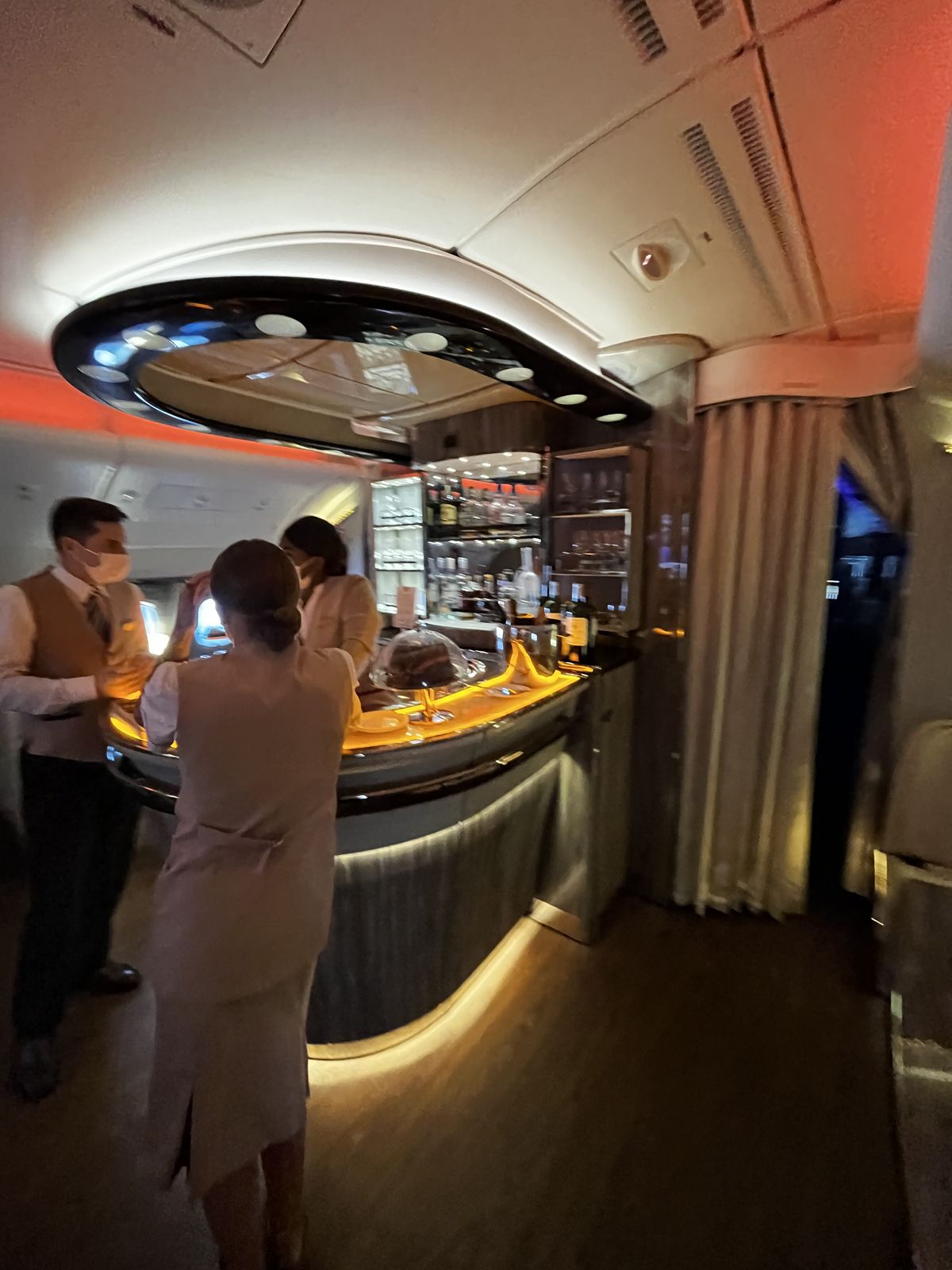
You are not obliged to sleep. Plenty of passengers work through, watch films, or spend an hour at the bar on the aircraft that have one. The point of the cabin is that the choice is yours rather than dictated by how much space you have.
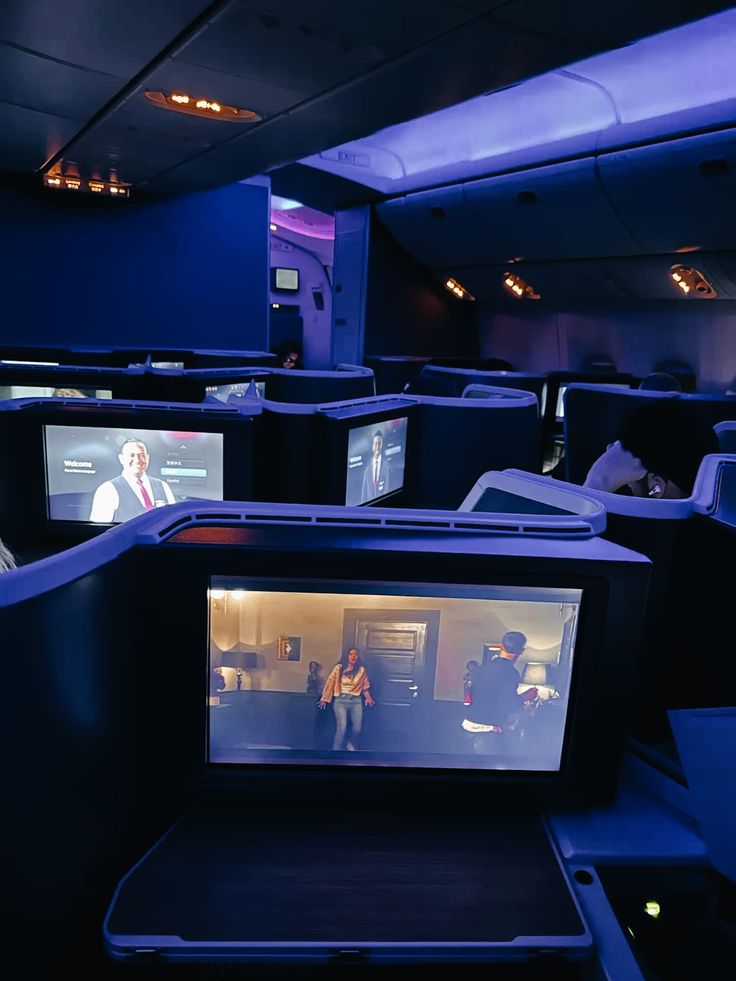
Breakfast comes ninety minutes before landing, often with the option to skip it entirely and sleep instead. That single choice is the clearest illustration of the whole value argument: in economy you are woken for a tray whether you want it or not.
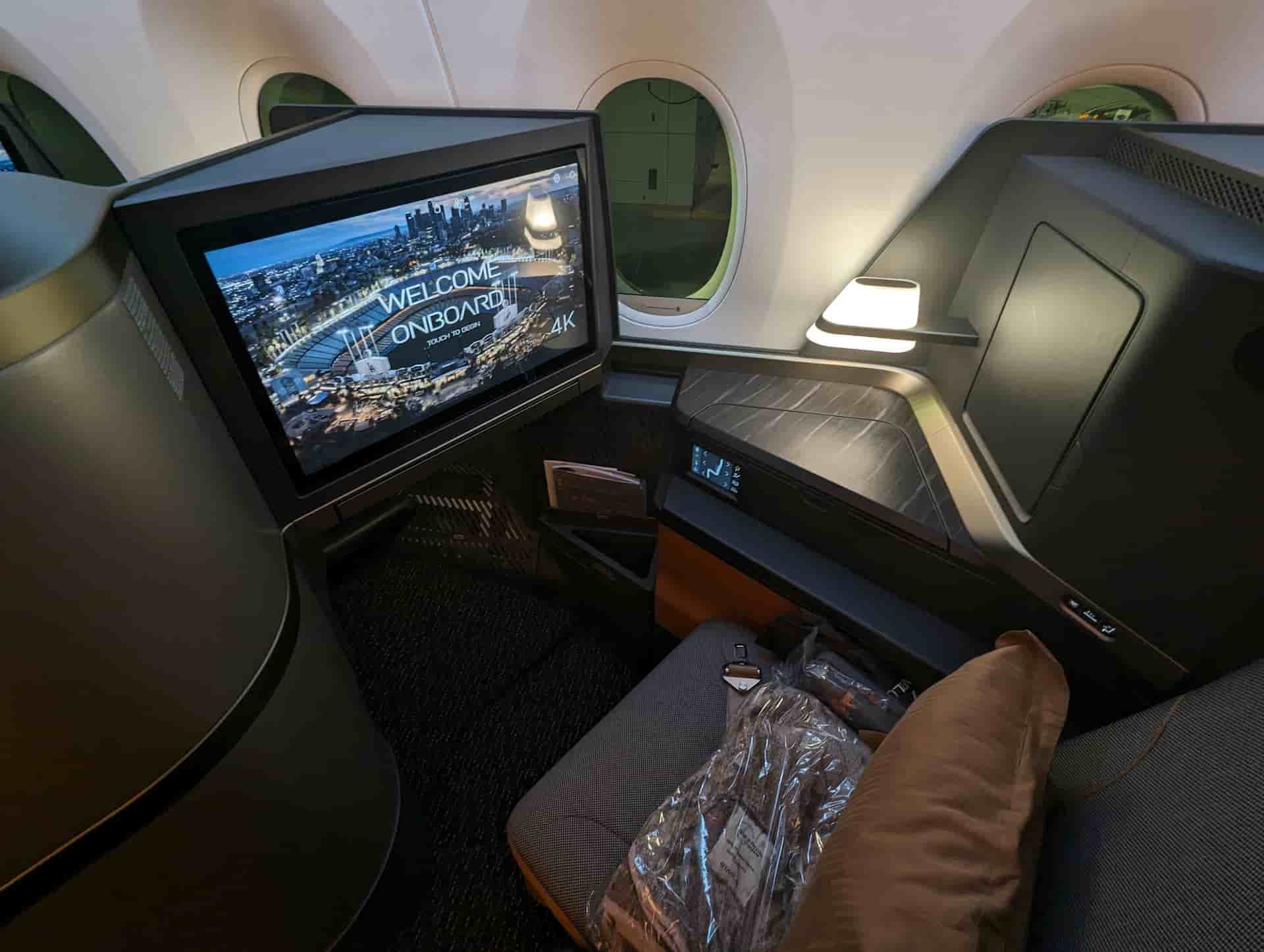
Which seat you draw shapes the night more than the airline does. Our ranking of the best business class seats compares them on the measurements that decide whether you actually sleep: width, bed length and whether the suite has a door.
Myth 3: Business Class Is Only Worth It at Published Prices
Most travelers compare business class against economy using prices from airline websites. This comparison is structurally misleading. It compares retail business class against retail economy. Retail business class is priced to capture corporate travel budgets, not individual travelers.
Airlines sell a significant portion of premium cabin seats through wholesale channels at below retail rates. These fares are not visible on Google Flights, Kayak, or Expedia. Specifically, a transatlantic business class seat retailing for $4,500 may be available through a flight concierge for $2,400 to $2,800. That changes the worth it calculation entirely.
Is Emirates Business Class Worth It?
Emirates business class on long haul routes from the US delivers a flatbed, lounge access in Dubai, a wide entertainment screen, and bar service on the A380. At retail fares of $4,000 to $7,000 round trip from New York, the answer for most leisure travelers is no. At consolidated fares of $2,200 to $3,200, the calculation shifts. The product is strong. The question is always what you actually pay for it. For more detail on the Emirates product, see our full Emirates First Class review.
Is United Polaris Business Class Worth It?
United’s Polaris product offers a lie flat bed, Saks Fifth Avenue bedding, and decent dining. It is a solid but not spectacular product by current international standards. We put it head to head with its closest rival in Delta One versus United Polaris. At retail fares it is hard to justify over JAL or ANA on the same routes. At below retail pricing, it becomes competitive. Notably, United serves more US departure cities nonstop to Tokyo and London than any other American carrier.
Myth 4: Business Class Vs Economy Is Always an Either/Or Decision
Many travelers frame the decision as binary: full economy or full business class. In practice, several intermediate options exist.
Premium economy on Japan Airlines, Singapore Airlines, and Air New Zealand costs roughly 40 to 60 percent less than business class. It still provides significantly more space than economy. The seat reclines but does not lie flat. For flights under eight hours, this is often the strongest value position. Our comparison of business class vs premium economy covers exactly when each makes sense.
Additionally, positioning flights open up options. A traveler based in Chicago can fly to Los Angeles or New York before the transatlantic leg. This often unlocks substantially better fares and sometimes better aircraft. The positioning flight cost is real. However, it is frequently outweighed by the fare saving on the main leg.
If a specific destination is already in mind, the fares on our business class flight destinations pages are the fastest way to see what the cabin actually costs on your route, and our how it works page explains how a quote comes together.
So: Is Business Class Worth It?
The honest answer depends on three variables: flight length, ticket price, and reason for travel.
On flights under six hours, business class is rarely worth it above a small premium over economy. The flat bed does not matter on a short flight. Lounge access and dining improvements do not justify a significant premium.
On overnight flights of eight hours or more, the flat bed changes the arrival experience. The worth it calculation becomes legitimate at below retail rates. On these routes, business class at consolidated pricing often costs less per hour than a business hotel in the destination city.
For frequent long haul travelers, business class at below retail pricing is not a luxury question. It is a performance and health question. A growing number of travelers answer it differently once they understand what the ticket actually costs through the right channel. See how Winghoppers searches for those prices via our how it works page.
Is Business Class Worth It: Frequently Asked Questions
Yes, for most travelers flying overnight on a 10-hour route. The lie flat bed is the critical variable. Sleeping horizontally for eight of those ten hours means arriving rested rather than fatigued. At published retail prices the premium is hard to justify for leisure travel. However, at consolidated below retail rates the gap between economy and business class narrows significantly. The worth it calculation changes accordingly.
Rarely. On short flights under five hours, the flat bed does not matter. There is no overnight leg. The practical benefits compress to lounge access, better food, and more space. These are genuinely nice. However, they do not typically justify a large price premium. Premium economy is usually the better value call on short to medium routes.
At published retail fares, Emirates business class is hard to recommend for individual leisure travelers. Recent quoted fares are on our business class flights to Dubai page. At consolidated rates, the product becomes genuinely competitive. The A380 upper deck business class cabin is one of the better hard products in the sky. The key is never paying the retail price when specialist pricing is available.
United Polaris is a solid mid tier business class product. The Saks Fifth Avenue bedding and lie flat seat make it competitive on transatlantic and transpacific routes. It is not at the level of JAL, Singapore Airlines, or Qatar Airways on pure product quality. However, United’s route network from US secondary cities makes it the only nonstop option on many routes. On those, Polaris at below retail pricing is well worth considering.
Airlines distribute a portion of premium cabin inventory through wholesale channels. These do not appear on standard booking engines. A specialist flight concierge searches across these channels alongside retail inventory. This finds the best all in price for your specific route and dates. It is how experienced premium travelers consistently pay less than the published fare.
Find Business Class at a Price That Changes the Calculation
The worth it question looks different when you are not paying retail. Winghoppers searches across airlines and wholesale networks to find the best available business class price for your route. There is no commitment and no fee to compare.
Most popular stories
View all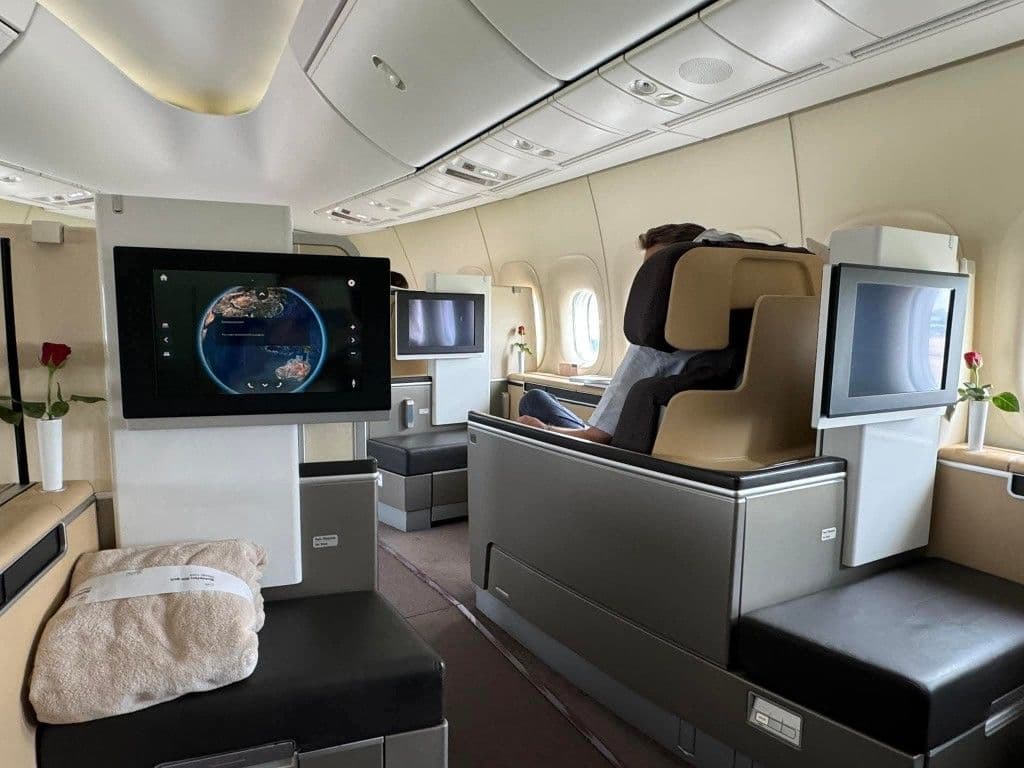
The Worst Business Class Seats, and How to Spot Them
The weakest business class cabins fly on well known airlines, on aircraft that were never refitted, at the same price as far better seats.
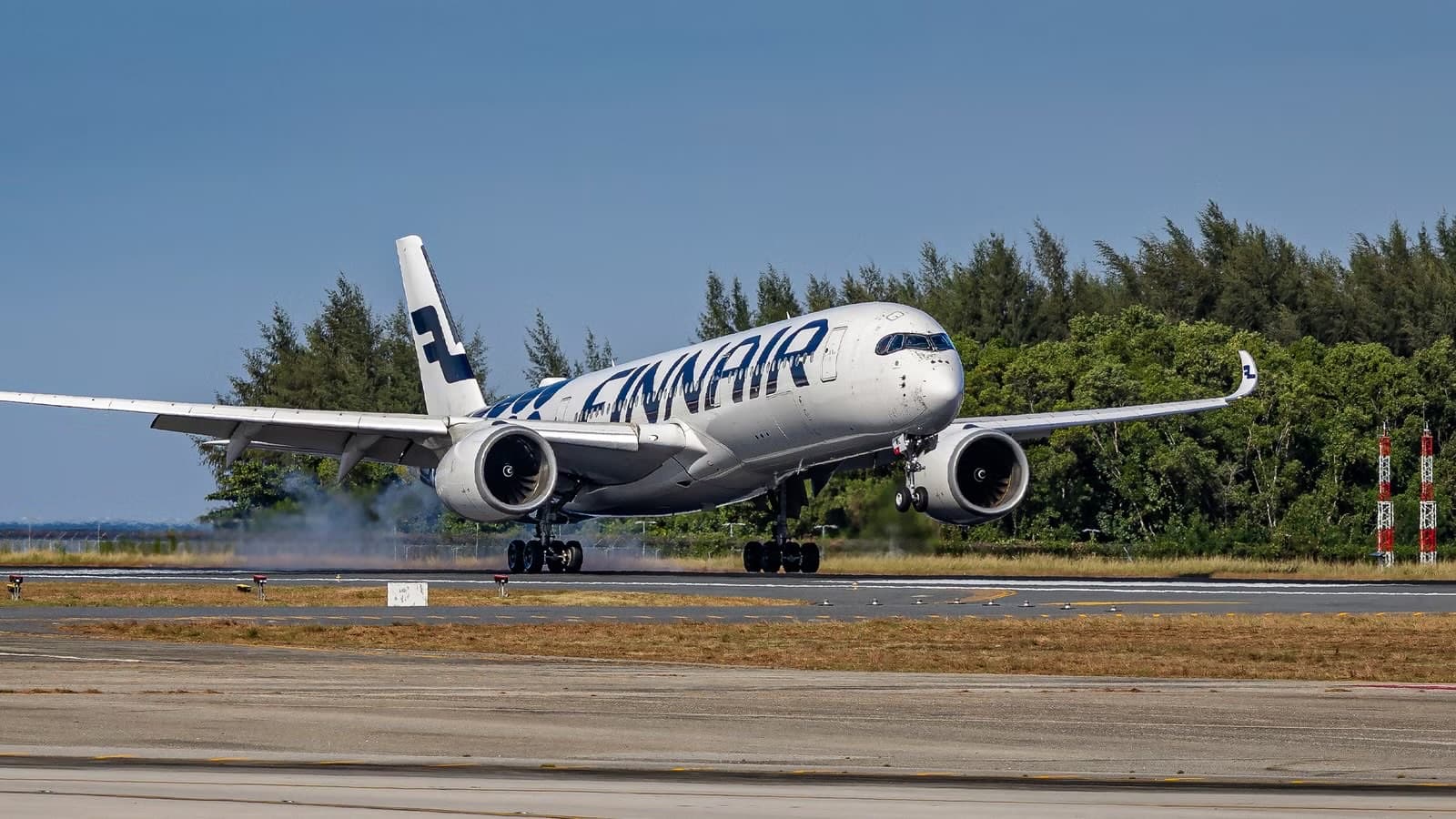
Fifth Freedom Flights: Widebody Cabins on Short Routes
A fifth freedom flight puts a long haul widebody and its flat bed on a route that would normally get a narrowbody recliner. How to find them.
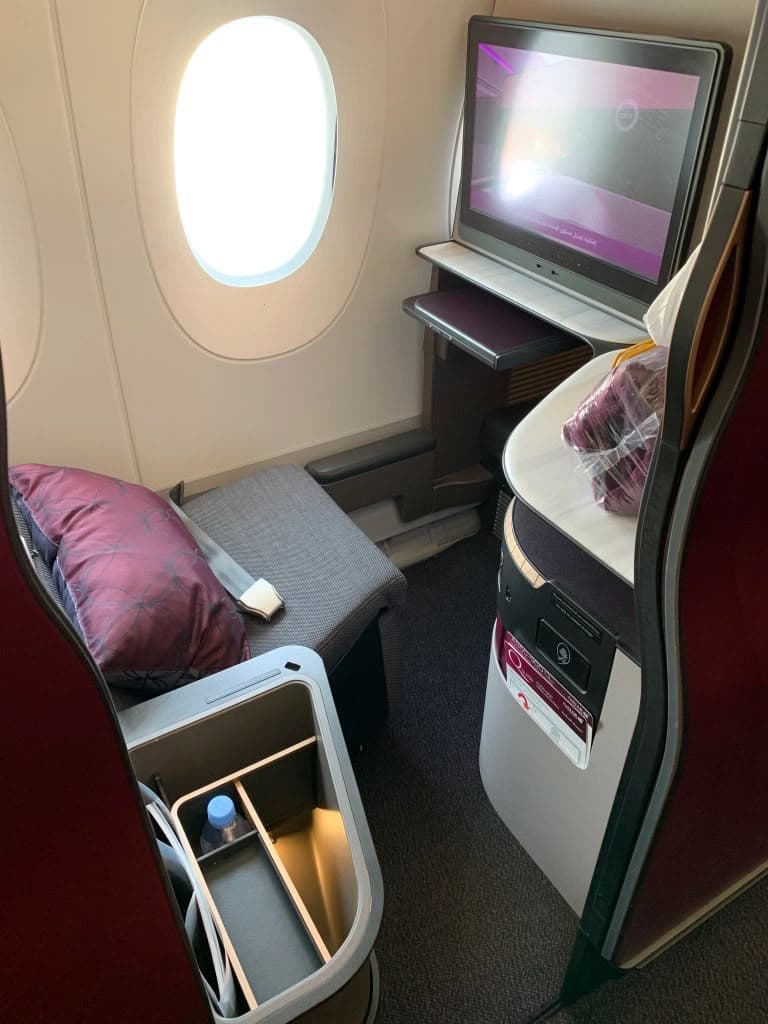
Reverse Herringbone: How to Read a Business Class Cabin
The seat layout decides your flight more than the airline does. How to spot reverse herringbone, staggered and legacy cabins before you pay.
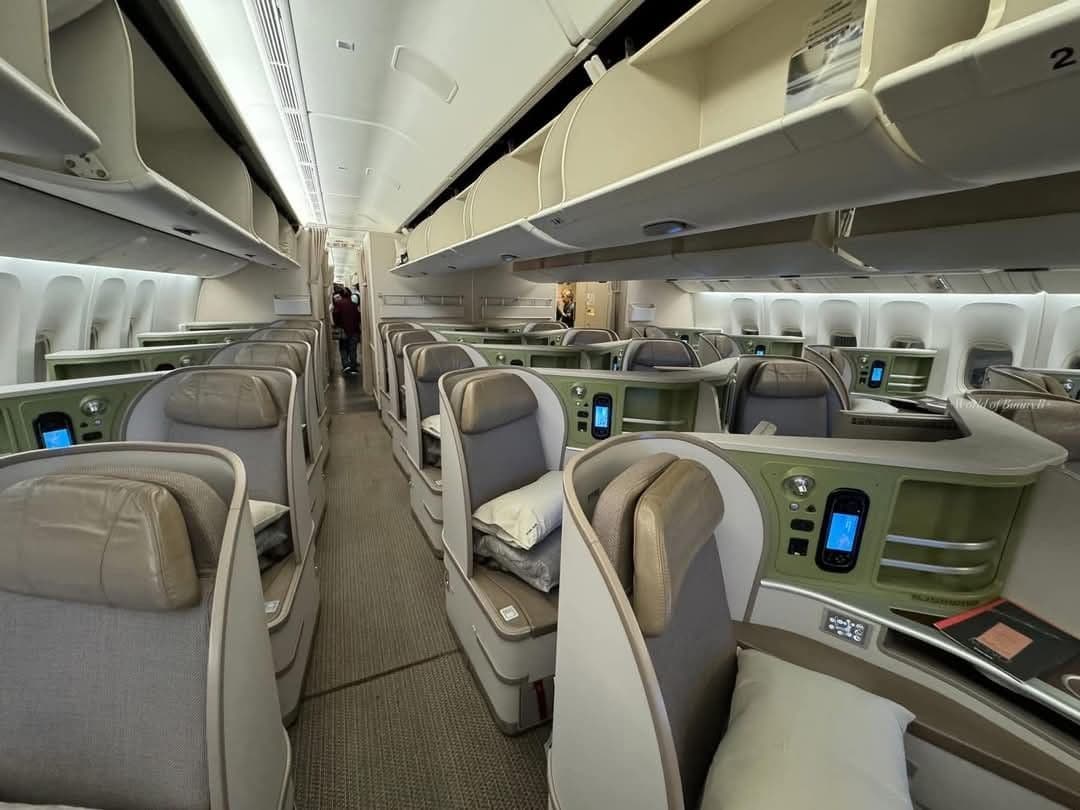
Boeing 787 vs Airbus A350 Business Class: The Numbers
Five inches separate the A350 and 787 cabins. Where that width goes, what it changes in business class, and which aircraft to ask for.
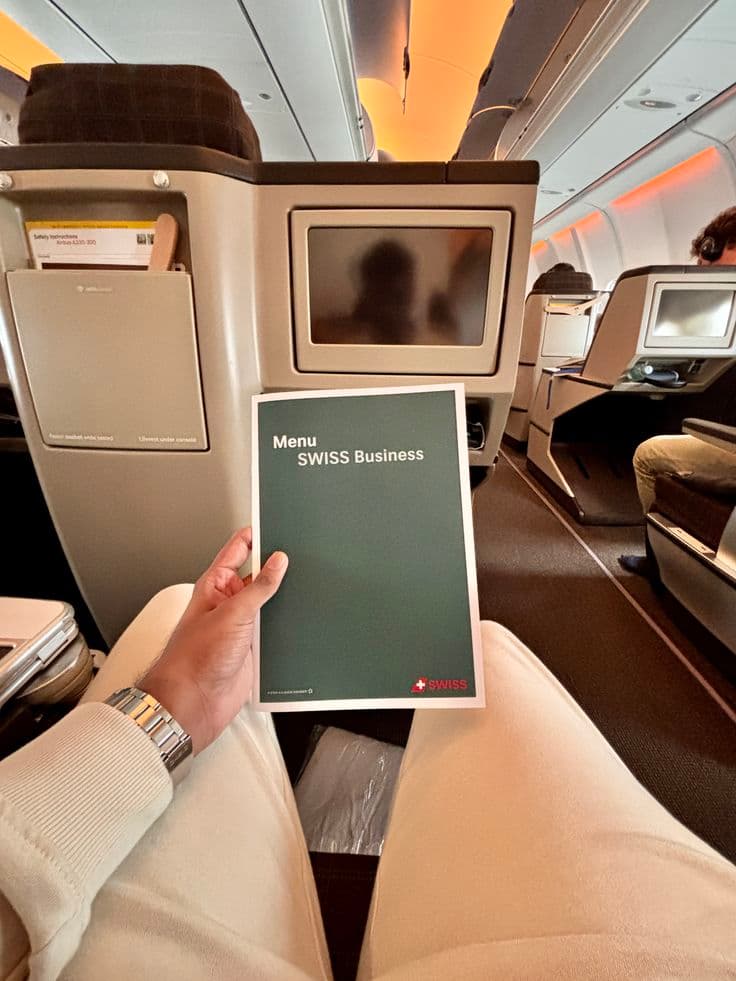
Swiss Business Class vs Lufthansa Allegris: Which to Fly
SWISS put five seat types in its A350 cabin. Lufthansa put seven. Which Lufthansa Group business class is the safer booking?
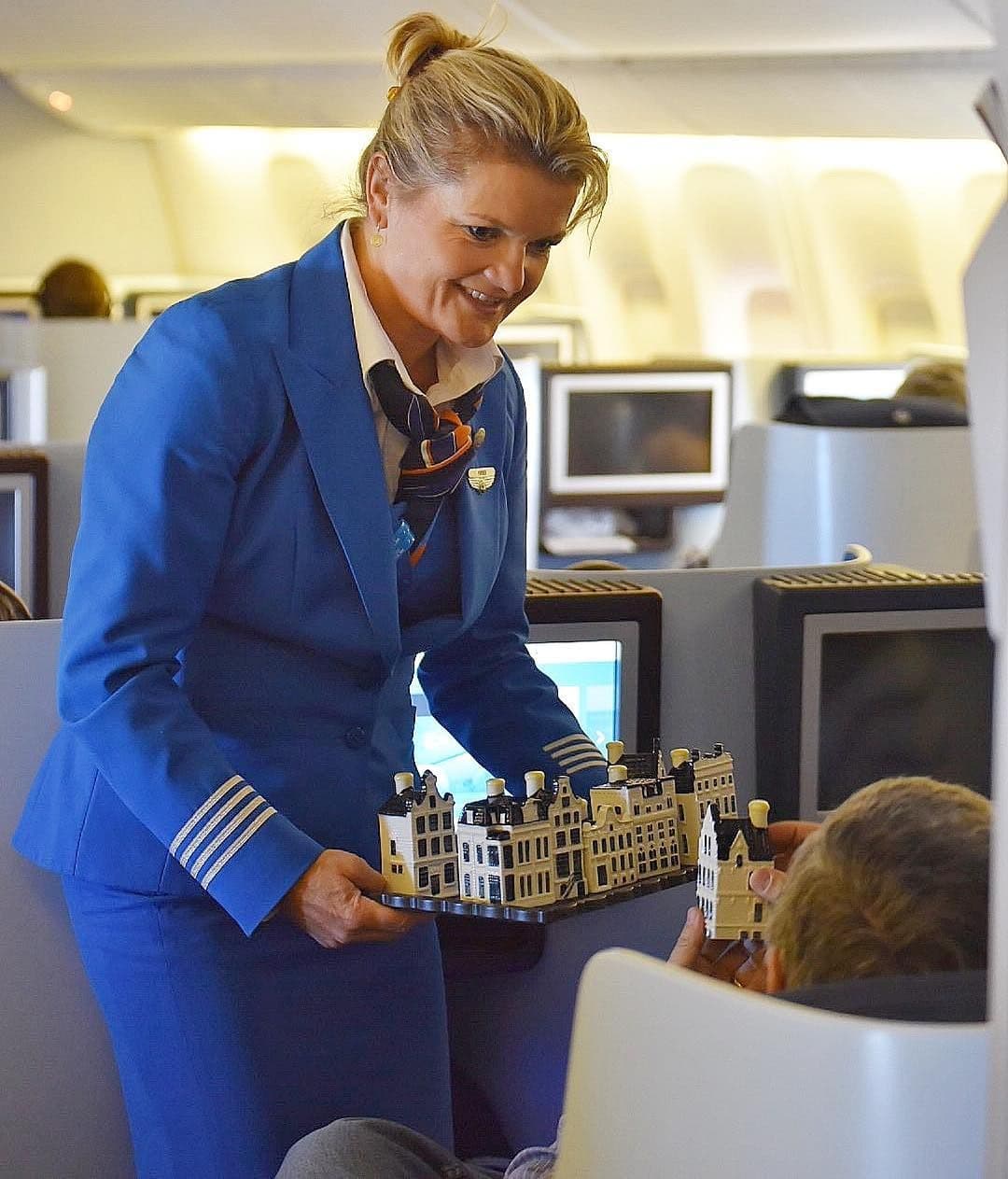
KLM Houses: How to Get One and What They Are Worth
The ceramic miniatures KLM hands out in business class since 1952: how to get one, what is inside, and which are actually worth money.
When to Book Christmas Flights in Business Class
The booking window for holiday business class opens in late July. Which December dates price worst, and the two moves that save real money.
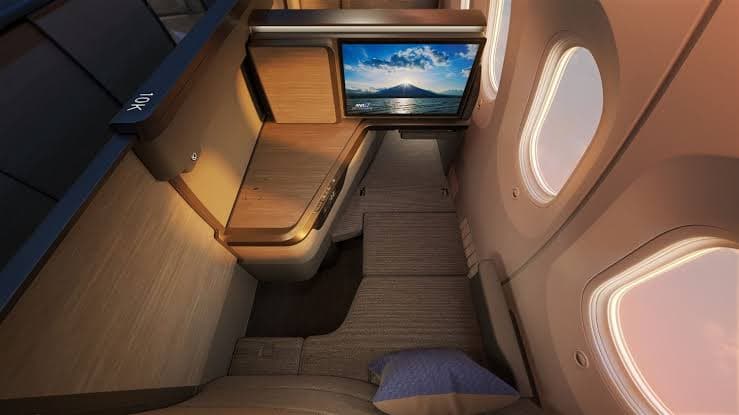
The Best Business Class Seats in 2026, Ranked
The best business class seats in 2026, ranked by the numbers: the widest and most private suites, plus the top options flying from the US.
SAVE UP TO 70%
ON business class TRAVEL