


Why Is Business Class So Expensive?
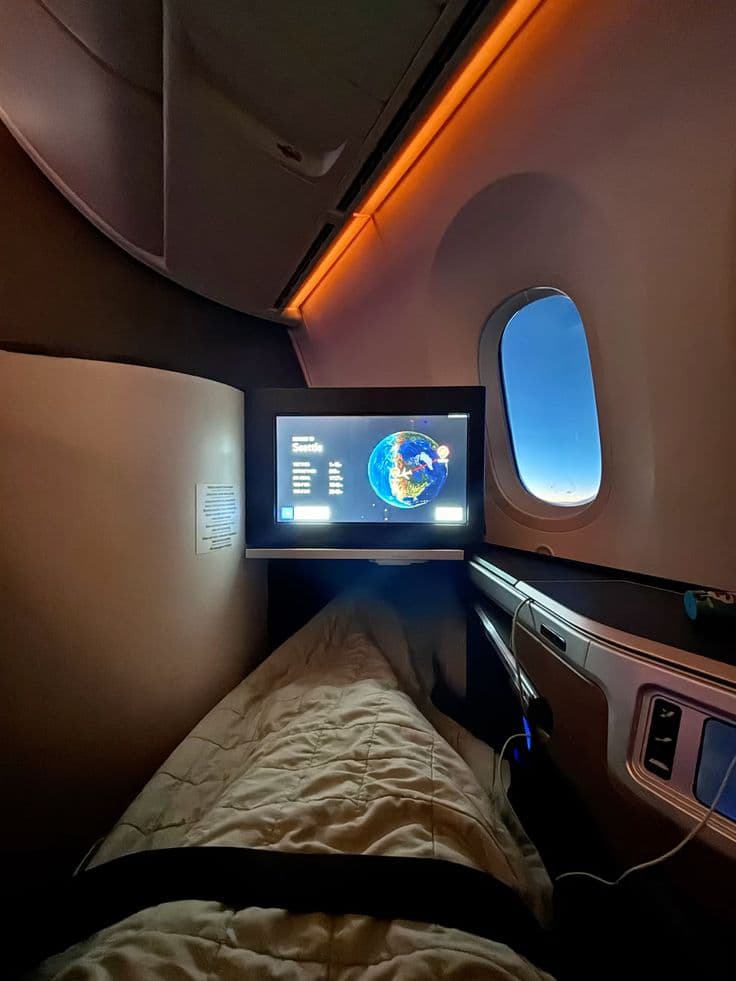
What if the price you see on the airline website is not what most passengers actually pay? Business class appears expensive at published retail rates because those rates target corporate travel budgets, not individual travelers. The structural gaps in that pricing model are where the real conversation starts.
This article breaks down the mechanics of business class pricing in 2026. It explains why the published price exists, what drives the cost, and why many premium cabin seats sell for significantly less than the airline website shows.
The Real Reason Business Class Costs So Much
Airlines price business class for one structural reason. The cabin must generate revenue far beyond what economy produces per seat. A business class seat occupies two to three times the floor space of an economy seat. Consequently, each business class passenger must generate two to three times the revenue of an economy passenger just to break even on a per square foot basis.
Additionally, the hard product itself is expensive to build and maintain. A single Collins Aerospace Qsuite seat costs between $50,000 and $80,000 to manufacture. A widebody aircraft with 40 to 50 business class seats represents $2 to $4 million in seat hardware alone. That figure excludes installation, maintenance, and replacement costs. Airlines amortize this over the aircraft’s operational life, and the cost flows into the ticket price.
The Corporate Subsidy Model
The deeper reason business class is expensive is structural: it is priced to capture corporate travel budgets. Large companies negotiate volume deals with airlines that include complimentary or discounted upgrades for frequent travelers. However, the published retail fare must remain high enough that corporate finance teams can justify the expense. Specifically, if business class cost $800 from New York to London, the incentive to fly economy disappears. The entire corporate travel market collapses for airlines.
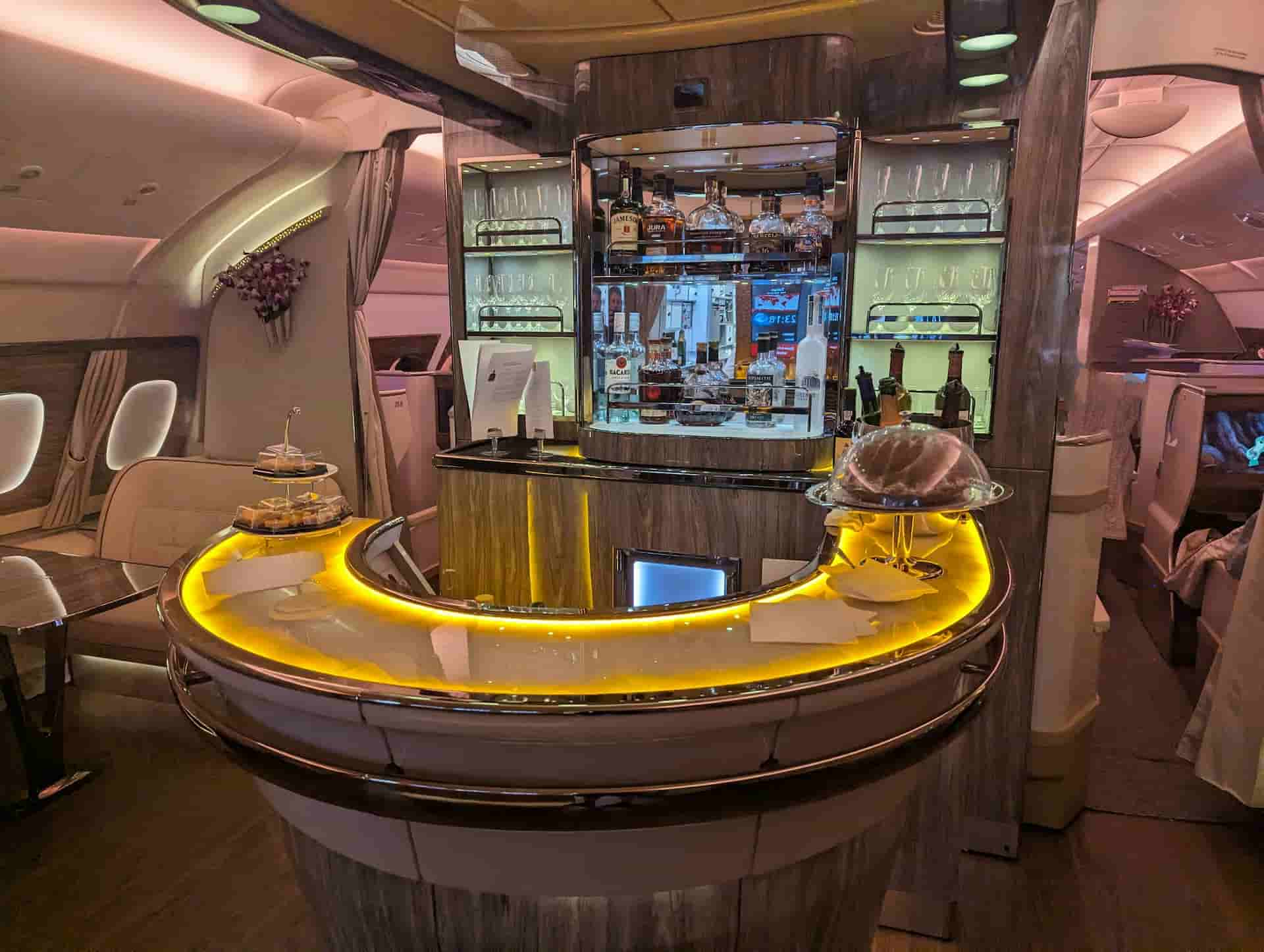
This means business class retail pricing is not primarily set by what individual travelers will pay. It is set by what corporate procurement teams will approve. Furthermore, it creates a structural gap in the market. A significant portion of business class seats sell through channels that serve individual travelers at below retail rates.
What You Are Actually Paying For
Business class pricing covers five distinct cost elements that economy fares do not. Understanding each helps explain why the gap exists and where it can be closed.
1. Seat Size and Cabin Real Estate
A business class lie flat seat on a widebody aircraft occupies between 20 and 40 square feet of cabin floor space. An economy seat occupies 6 to 8 square feet. Business class must therefore price at three to five times economy just to cover the space differential. On a 200-seat aircraft, the 40 business class seats in the front quarter of the cabin must generate roughly a quarter of total ticket revenue. That is the footprint premium in practice.
2. Ground Infrastructure
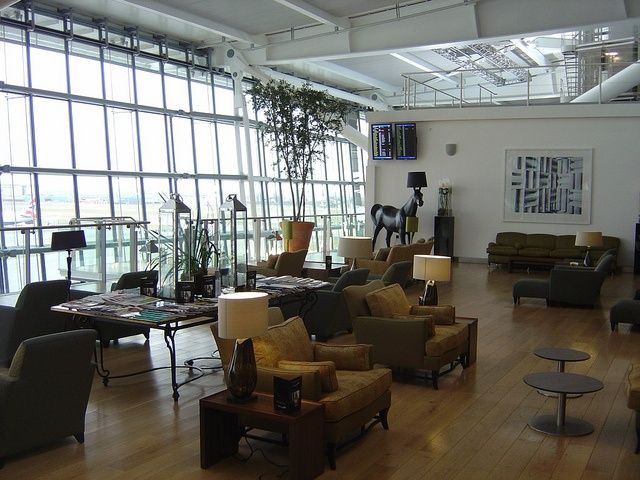
Business class fares subsidize the entire lounge network that premium passengers use before departure. A flagship lounge in a major hub airport costs $10 to $50 million to build. Operating costs run several million per year. Heathrow Terminal 5’s Galleries Club serves tens of thousands of business class passengers monthly. That overhead distributes across every business class ticket sold on routes serving that hub.
3. Service Staffing Ratios
Business class cabins carry significantly higher crew to passenger ratios than economy. A 40-seat business class cabin may have four to six dedicated crew members. The same crew count serves 150 to 200 economy passengers. Consequently, the labor cost per business class seat is four to five times higher than per economy seat. This cost flows directly into the fare.
4. Catering and Amenities
Business class meal service on a transatlantic flight costs airlines between $80 and $200 per passenger. Economy catering typically runs $15 to $30. Additionally, amenity kits, bedding, pyjamas, noise cancelling headphones, and champagne service add $50 to $100 per seat per flight. On high frequency routes, these costs compound significantly across the year.
5. Priority Infrastructure
Business class fares fund priority check in lanes, dedicated bag drop, fast track security, and priority boarding. They also cover expedited baggage handling at arrival. These are operational investments that airlines maintain specifically for premium passengers. They cost money to staff and run at scale.
Wondering what business class actually costs through channels most travelers don’t know about?
Winghoppers searches across consolidator and wholesale networks alongside retail inventory to find the best available business class price for your specific route and dates.
The gap between the published fare and what the same seat actually clears for is the part most travelers never see. We put route by route numbers on it in how much more expensive business class is.
Why Business Class Is Not Always as Expensive as It Looks
The published retail fare is the ceiling, not the floor. Airlines distribute a significant portion of their business class inventory through channels that operate at below retail rates. These channels exist because airlines have a structural need to fill seats that would otherwise fly empty.
An empty business class seat generates zero revenue. A seat sold at 60% of the retail rate generates meaningful contribution margin after variable costs. Consequently, airlines work with wholesale distributors and consolidators who purchase inventory in bulk at negotiated rates. These distributors resell tickets to travelers at prices below what the airline’s own website shows. For a detailed explanation of how this pricing channel works, see our guide on what airlines don’t tell you about business class pricing.
The Gap Between Retail and Consolidator Pricing
On competitive transatlantic routes in 2026, the gap between published retail and below retail pricing is typically 30 to 50 percent. A New York to London business class ticket retailing at $4,500 may be available through a specialist concierge for $2,400 to $2,800. That market is covered in detail on our business class flights to London page. Same seat, same flight, same cabin. The difference is purely the distribution channel.
This gap is largest on routes where airlines have excess premium inventory relative to corporate demand. Notably, leisure heavy routes like New York to Cancun and Los Angeles to Frankfurt see the widest consolidator discounts. Routes outside peak corporate travel windows behave similarly. Understanding this pattern helps travelers time their searches for maximum value.
When Business Class Pricing Makes Sense Anyway
Even at retail prices, business class passes a cost benefit test under specific conditions. The clearest case is an overnight flight of eight hours or more. On the longest of those, such as business class flights to Tokyo, the argument is strongest. A lie flat bed means arriving rested rather than fatigued. For a traveler heading to a business meeting in Tokyo or London, arriving exhausted has a real cost. It translates to lost productivity, a recovery day, or negotiating at a disadvantage. That cost can exceed the business class premium.
The secondary case is frequency. A traveler flying six to eight long haul trips per year who consistently flies economy makes a cumulative health tradeoff. It compounds over time. At below retail pricing through a consolidator channel, the math changes further. For a full breakdown of when the premium is justified, see our analysis of whether business class is worth it.
Knowing why the cabin costs what it does is one question. Whether it is worth paying is another, and we answer it honestly in Is Business Class Worth It? If a route is already in mind, our destination pages show the current starting fares.
What This Means for Travelers in 2026
Business class is expensive because the structural costs airlines bear to deliver the product are genuinely high. However, the retail price significantly overstates what many passengers actually pay. The gap between the two exists because airlines need to fill seats and use wholesale channels to do it.
The practical implication is straightforward. Searching only on airline websites or standard booking platforms gives you an incomplete picture of what business class actually costs. A specialist flight concierge searches across wholesale channels alongside retail inventory to find the best available all in price. On routes with competitive premium inventory, the difference between a direct search and a specialist search can be several thousand dollars. Learn more about how this works at our how it works page.
Why Is Business Class So Expensive: Frequently Asked Questions
Business class costs more because it consumes two to three times the floor space of an economy seat, requires higher crew to passenger ratios, funds lounge infrastructure, and carries significantly higher catering and amenity costs. The published retail price is also set to capture corporate travel budgets rather than individual travelers, which means it systematically overprices the seat relative to what many passengers actually pay through wholesale channels.
No. Airlines distribute a significant portion of business class inventory through consolidator and wholesale channels at below retail rates. On competitive routes, the gap between published retail and below retail pricing is typically 30 to 50 percent. Specialist flight concierge services search across these channels to find the best available price for your specific route and dates.
Last minute business class fares are typically the most expensive because airlines price remaining premium inventory to capture corporate travelers with less price sensitivity. The best business class fares are generally found 60 to 120 days before departure, when airlines are still filling the cabin and wholesale channels have the most available inventory at competitive rates.
Pricing varies based on route competition, aircraft operating costs, and how aggressively each airline uses wholesale channels to fill premium inventory. Carriers like Condor and Iberia, which operate on routes with strong leisure demand, tend to price business class more competitively than legacy carriers on high frequency corporate routes. For a comparison of which airlines offer the best value, see our guide to the best business class airlines in 2026.
Understand the Pricing, Then Find a Better Rate
Business class is expensive for structural reasons. However, it is rarely as expensive as the retail price suggests for travelers who know where to look. Winghoppers searches across wholesale and consolidator channels to find the best available business class price for your route. No fee and no commitment to compare.
Most popular stories
View all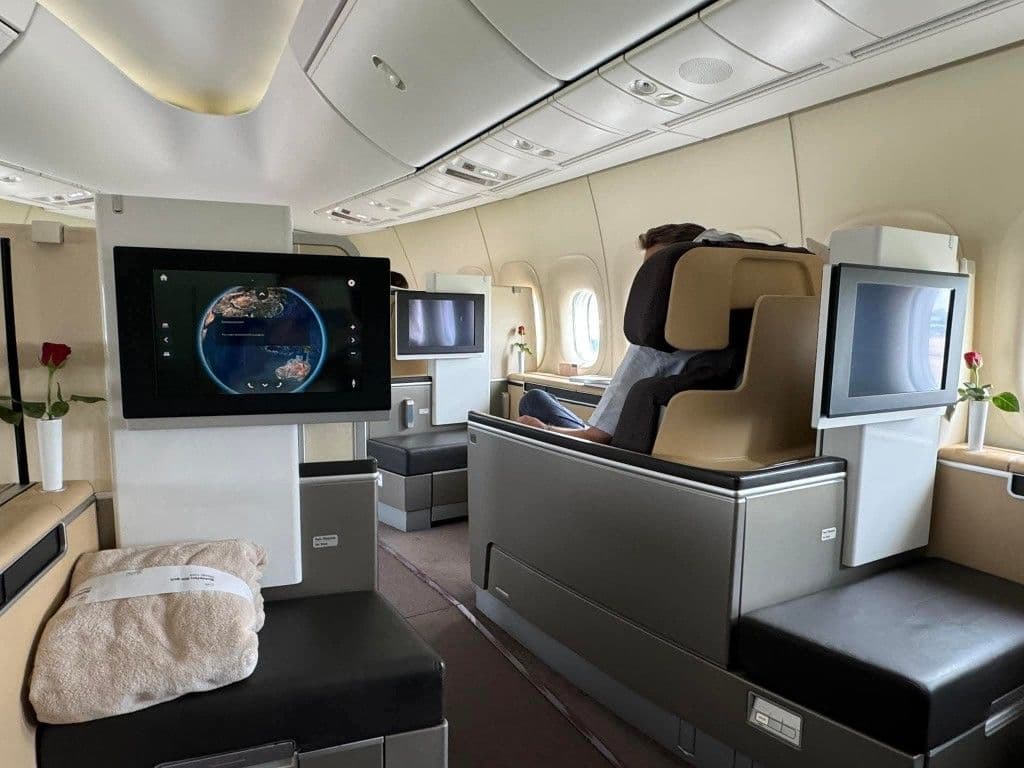
The Worst Business Class Seats, and How to Spot Them
The weakest business class cabins fly on well known airlines, on aircraft that were never refitted, at the same price as far better seats.
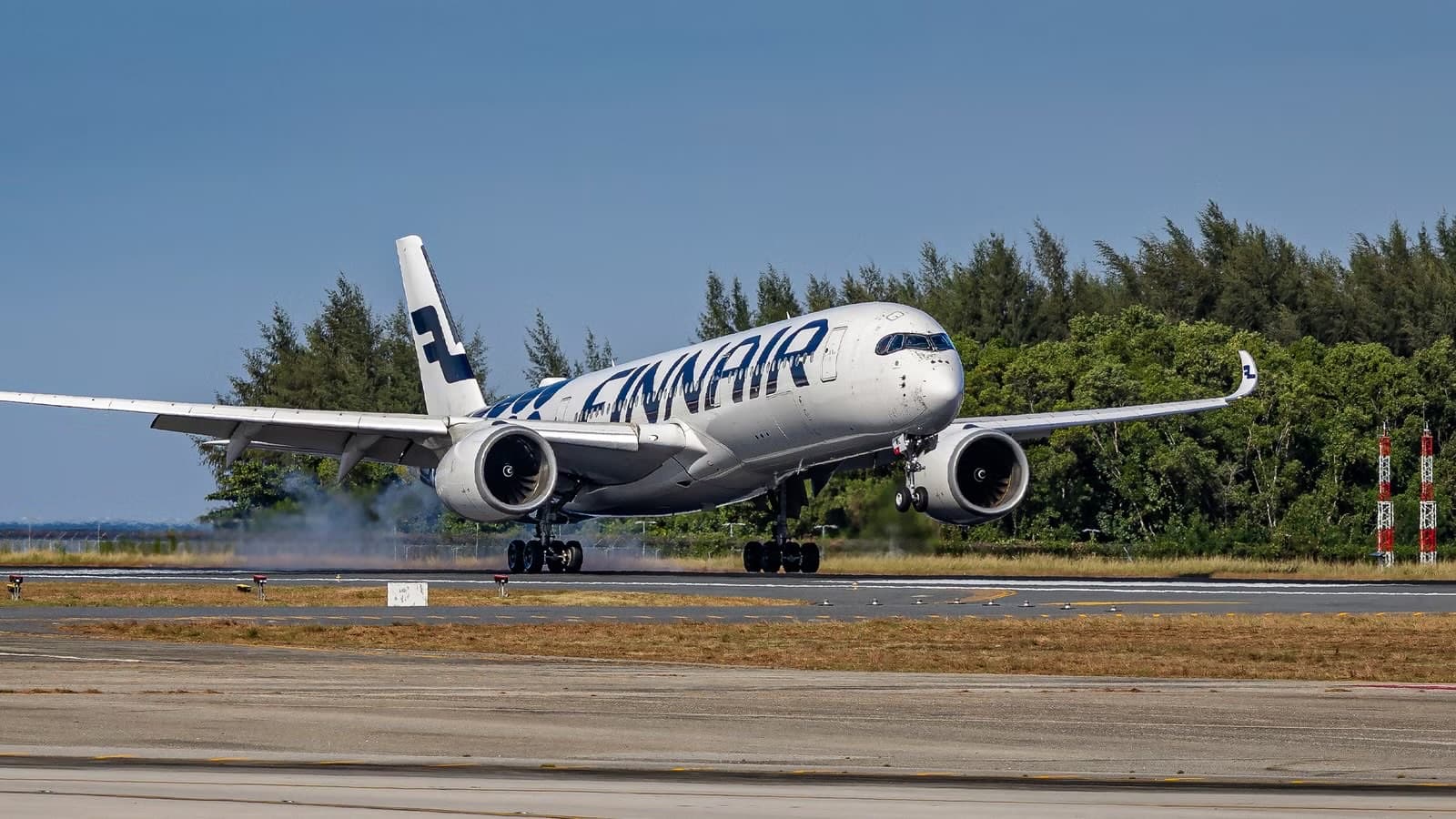
Fifth Freedom Flights: Widebody Cabins on Short Routes
A fifth freedom flight puts a long haul widebody and its flat bed on a route that would normally get a narrowbody recliner. How to find them.
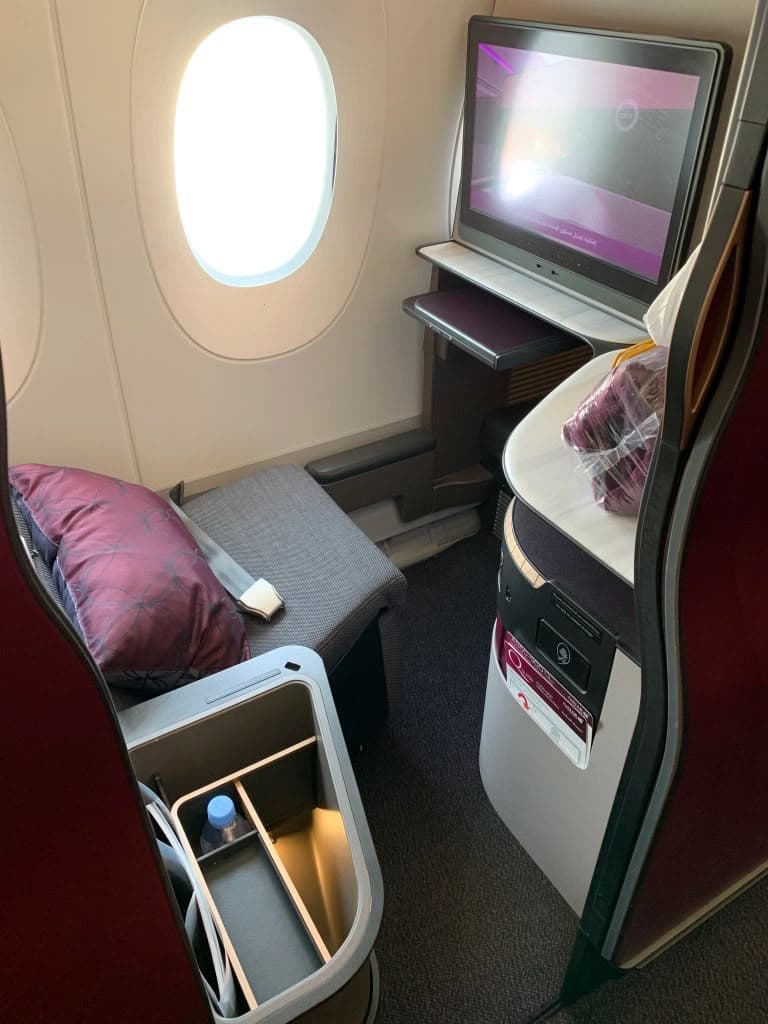
Reverse Herringbone: How to Read a Business Class Cabin
The seat layout decides your flight more than the airline does. How to spot reverse herringbone, staggered and legacy cabins before you pay.
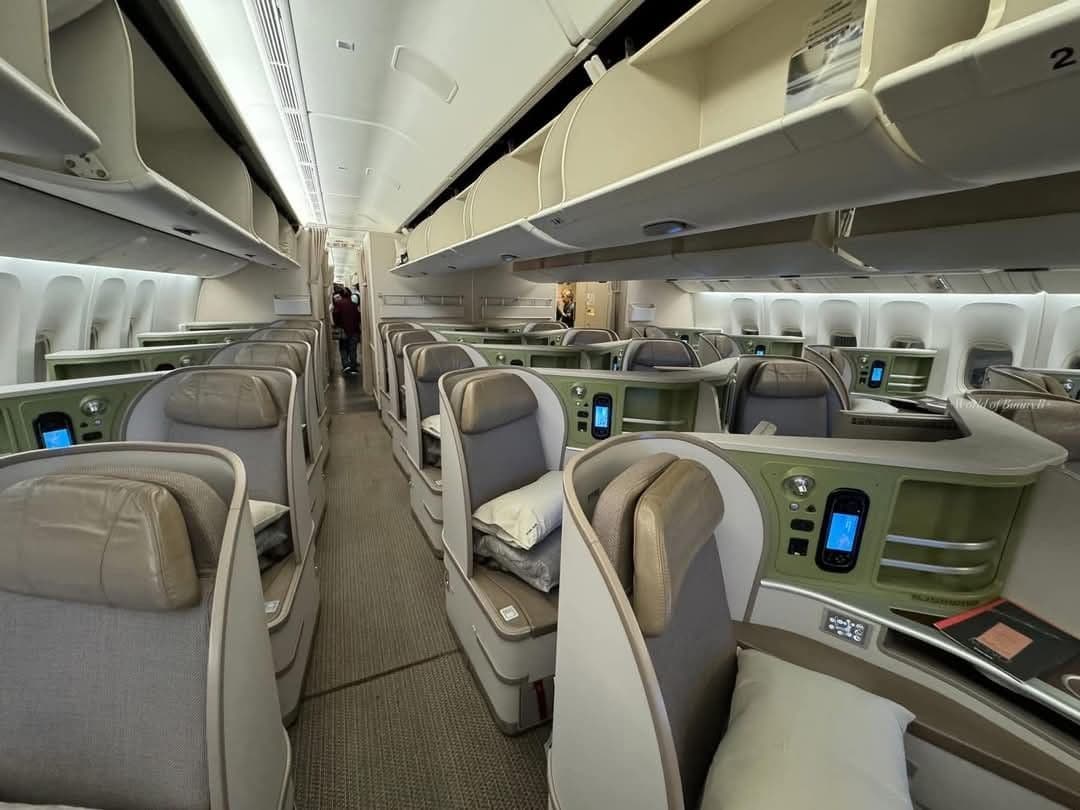
Boeing 787 vs Airbus A350 Business Class: The Numbers
Five inches separate the A350 and 787 cabins. Where that width goes, what it changes in business class, and which aircraft to ask for.
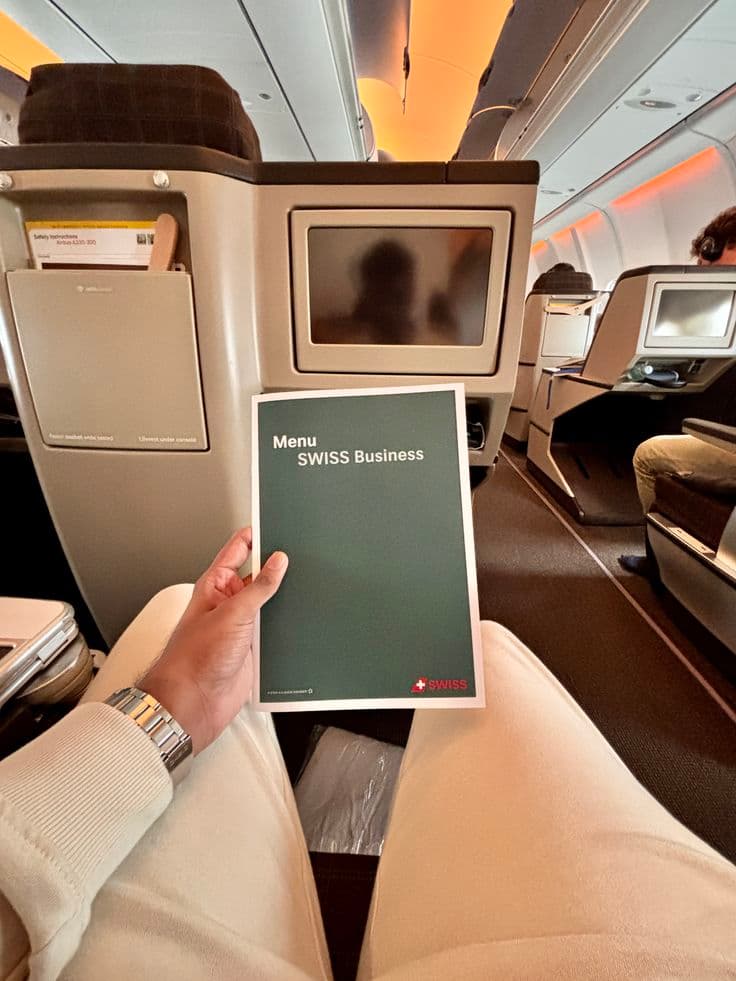
Swiss Business Class vs Lufthansa Allegris: Which to Fly
SWISS put five seat types in its A350 cabin. Lufthansa put seven. Which Lufthansa Group business class is the safer booking?
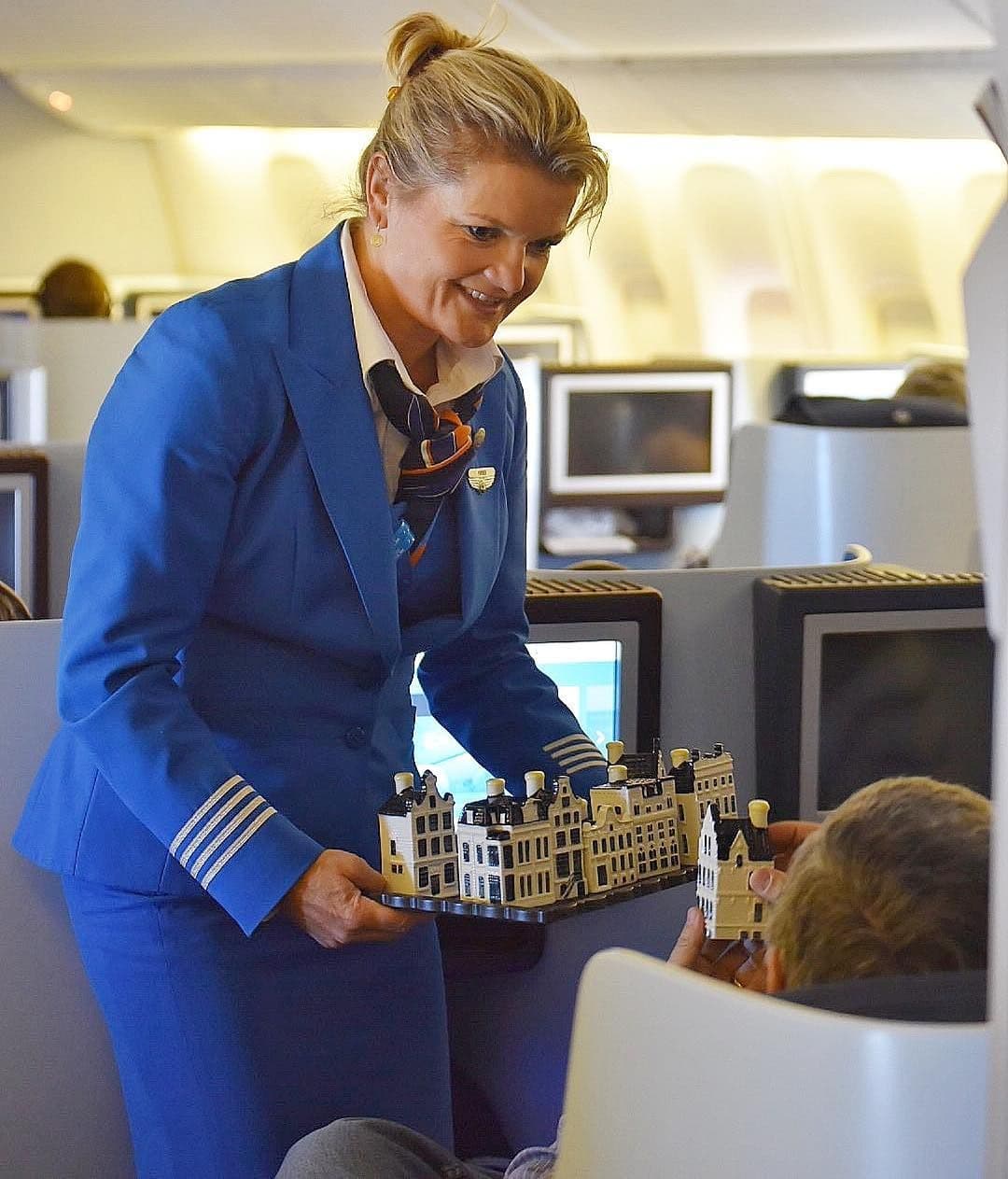
KLM Houses: How to Get One and What They Are Worth
The ceramic miniatures KLM hands out in business class since 1952: how to get one, what is inside, and which are actually worth money.
When to Book Christmas Flights in Business Class
The booking window for holiday business class opens in late July. Which December dates price worst, and the two moves that save real money.
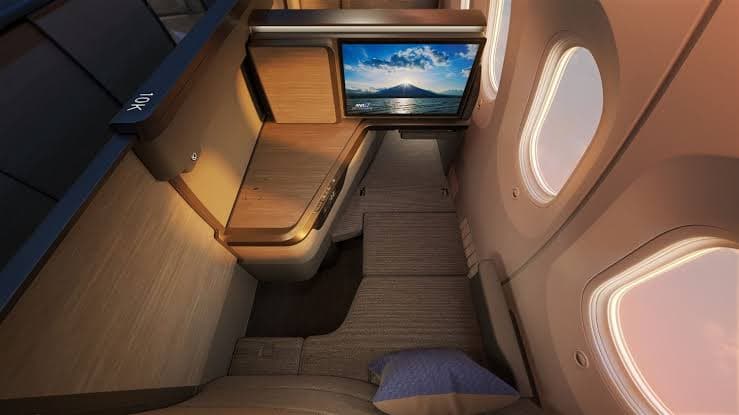
The Best Business Class Seats in 2026, Ranked
The best business class seats in 2026, ranked by the numbers: the widest and most private suites, plus the top options flying from the US.
SAVE UP TO 70%
ON business class TRAVEL