


Boeing 787 vs Airbus A350 Business Class: The Numbers
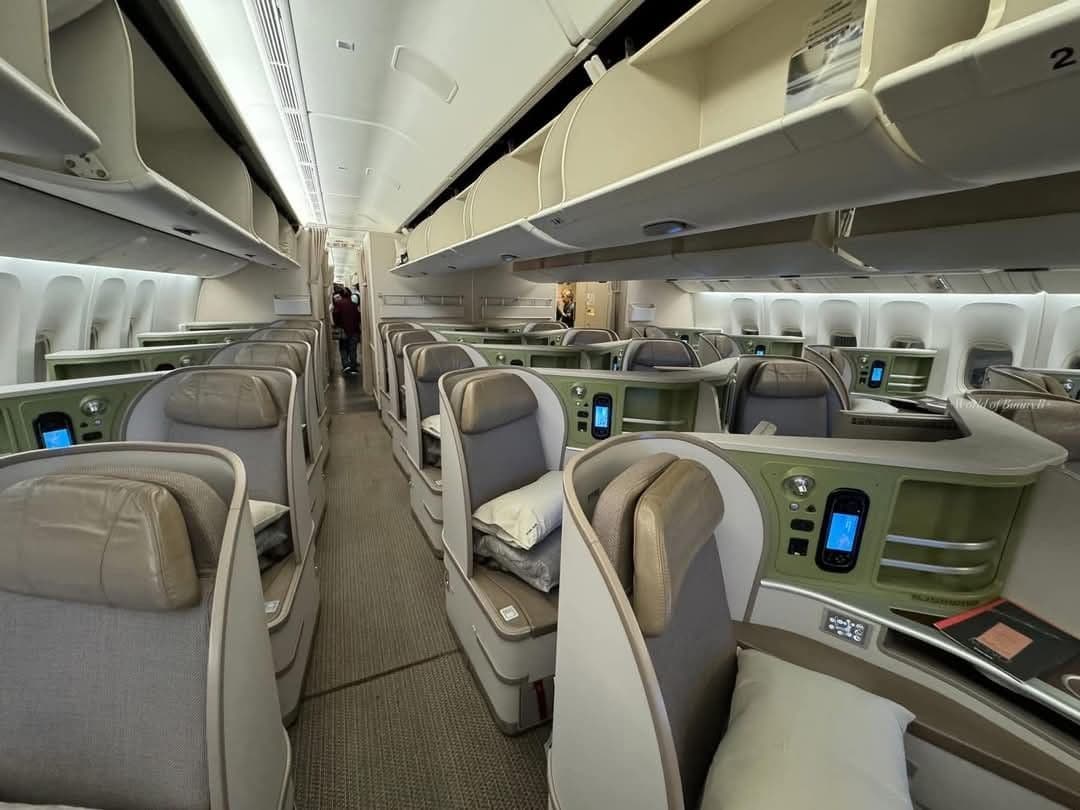
Two aircraft carry the majority of long haul business class flying today, and almost nobody books by which one they are on. That is a mistake worth correcting, because the difference between them starts with a measurement most passengers never see.
The Airbus A350 cabin is 5.61 metres wide. The Boeing 787 cabin is 5.49. Five inches separates them, and everything else in this comparison follows from that number.
Where the five inches actually go
In economy the answer is simple and unflattering to Boeing. At nine abreast, the standard long haul layout on both types, the A350 delivers around 18 inches of seat width and the 787 around 17. Published figures run from 16.9 to 18 inches on the Airbus. On the Boeing they run 16.2 to 17.5. One inch sounds like nothing until it is your shoulders for fourteen hours.
In business class the arithmetic changes, because almost every long haul premium cabin on both aircraft is laid out one two one. Four seats across on a fuselage that already holds nine economy seats means the width pressure disappears. Airlines end up with the same headline dimensions on both types. Both are frequently quoted at 22 inches wide by 50 inches of bed length.
So the five inches do not go into the seat. They go into everything around it. On the A350 there is more room for a wider console, a deeper footwell or a less pinched aisle. That is why two cabins with identical published numbers can feel measurably different once you are sitting in them.
What the numbers do not tell you
Both aircraft share the advantage that matters most on a long flight. It has nothing to do with width. Both use composite fuselages, which tolerate higher pressurisation than aluminium. Both therefore run a lower cabin altitude and considerably higher humidity than the previous generation, and passengers consistently report arriving less dehydrated on either. If you want the mechanism behind that, our note on what cabin altitude means covers it.
Where they genuinely differ is windows and light. The 787 fits larger windows with electronic dimming rather than shades, which the cabin crew can override across the whole aircraft. Some passengers love it and some resent losing control of their own window. The A350 uses conventional shades and larger than average windows. Neither is better; they are different, and it is worth knowing which you are getting before a fourteen hour daytime sector.
The 777 and the A380, which you will also fly
Two older types still carry a large share of premium traffic and both behave differently again. The Boeing 777 is wider than either newer aircraft. Older airframes run a conventional aluminium fuselage, so cabin altitude and humidity sit at the previous standard. What the 777 offers instead is space: several airlines fit their widest business seats on it, and the newest cabins on the type are genuinely competitive.
The Airbus A380 is the outlier and remains, for many travelers, the most comfortable aircraft in the sky. Four engines and enormous mass make it quieter and steadier than any twin. Its upper deck business cabin is the one enthusiasts ask for by name. It is also disappearing, so if a routing offers it, that is a reason to take it rather than a detail to ignore.
Which one to ask for
The honest ranking depends on what you are optimising for, and it is short enough to state plainly.
- For a full night of sleep, the A380 upper deck first, then the A350, then the 787. Quiet and stability matter more than an inch of console.
- For arriving able to work, the A350 and 787 together. Both sit well ahead of any aluminium aircraft, because cabin altitude and humidity decide how you feel more than the seat does.
- For the widest seat, a recent 777 cabin, since the extra fuselage width goes somewhere on that aircraft.
- For daytime flying, the A350, unless you actively want the 787's electronic window dimming.
None of this outranks the cabin the airline actually installed. A modern one two one suite on a 787 beats a dated angled seat on an A350 every time. Product generation varies enormously within a single airline. The aircraft type is the tiebreaker, not the decision.
Want to know which aircraft is scheduled on your dates before you commit to a fare?
How to check before you book
The aircraft type appears on the booking page and in the airline's own schedule. It is easy to miss, and it changes. Equipment swaps happen often, particularly where an airline rotates several types through one flight number. Confirming closer to departure is worth the two minutes.
Where the trip matters enough to plan around, the sequence is short. Pick the route, check which types serve it, then check which cabin generation sits on those aircraft. Our guide to the best business class seats in 2026 covers the second half of that. And Swiss business class versus Lufthansa Allegris shows how far two cabins differ inside a single airline group. If you would rather not do it yourself, that check is part of how our flight concierge works.
Route matters too, since some markets are served almost entirely by one type. Business class into Asia leans heavily on the 787 and A350, while transatlantic routes still mix in a great deal of 777 flying. Our page on business class flights to Tokyo lists which carriers fly what, and the same detail sits on every destination page.
Frequently Asked Questions
Is the Airbus A350 or the Boeing 787 better for business class?
Marginally the A350, because its cabin is 5.61 metres wide against 5.49 on the 787. In a one two one business layout both fit similar seats, so that extra width goes into consoles, footwells and aisle space rather than the seat itself.
How wide is a business class seat on a Boeing 787?
Around 22 inches, with a bed length near 50 inches on most long haul configurations. The same figures are quoted on the A350, because in a four across layout neither fuselage is the limiting factor.
Which aircraft is the most comfortable for long haul?
For sleep, the Airbus A380 remains hard to beat. Four engines and greater mass make it quieter and steadier than any twin. For arriving able to function, the A350 and 787 lead, since their composite fuselages allow lower cabin altitude and higher humidity.
Does the aircraft type matter more than the airline?
No. A modern suite on a 787 beats a dated angled seat on an A350 every time, and cabin generation varies enormously within a single airline. Treat the aircraft as the tiebreaker once you know which cabin is installed.
Do the Boeing 787 windows really have no shades?
Correct. The 787 uses electronic dimming instead, and the crew can override it across the whole cabin. Some passengers prefer it to a plastic shade, others dislike losing control of their own window on a daytime flight.
Most popular stories
View all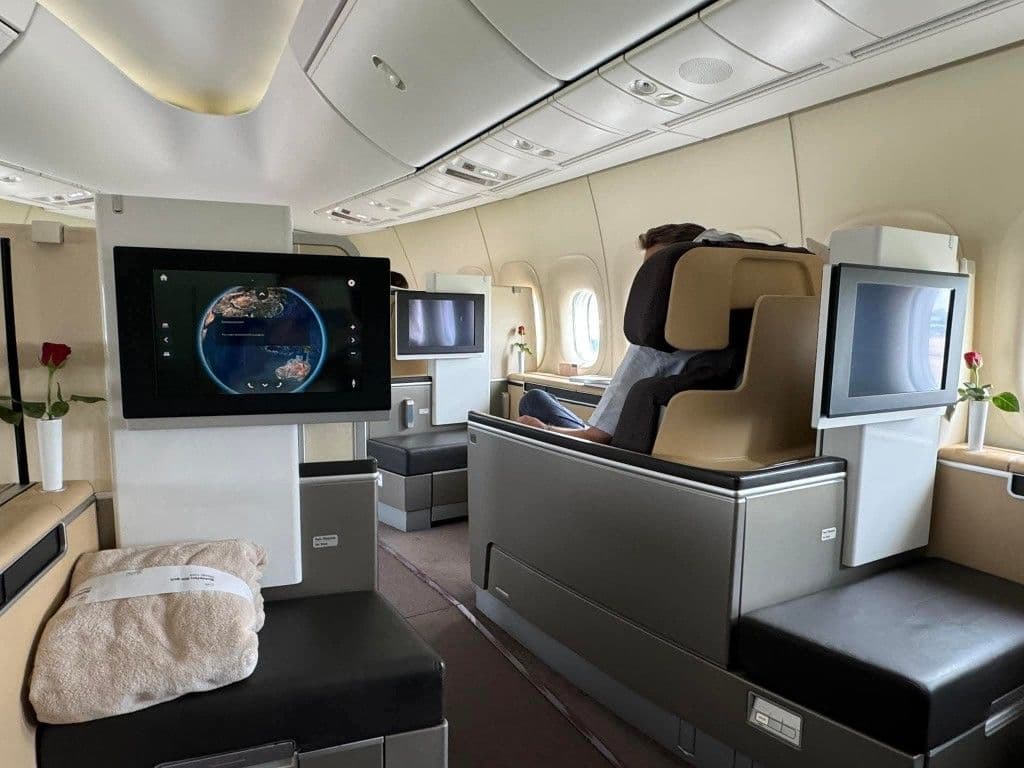
The Worst Business Class Seats, and How to Spot Them
The weakest business class cabins fly on well known airlines, on aircraft that were never refitted, at the same price as far better seats.
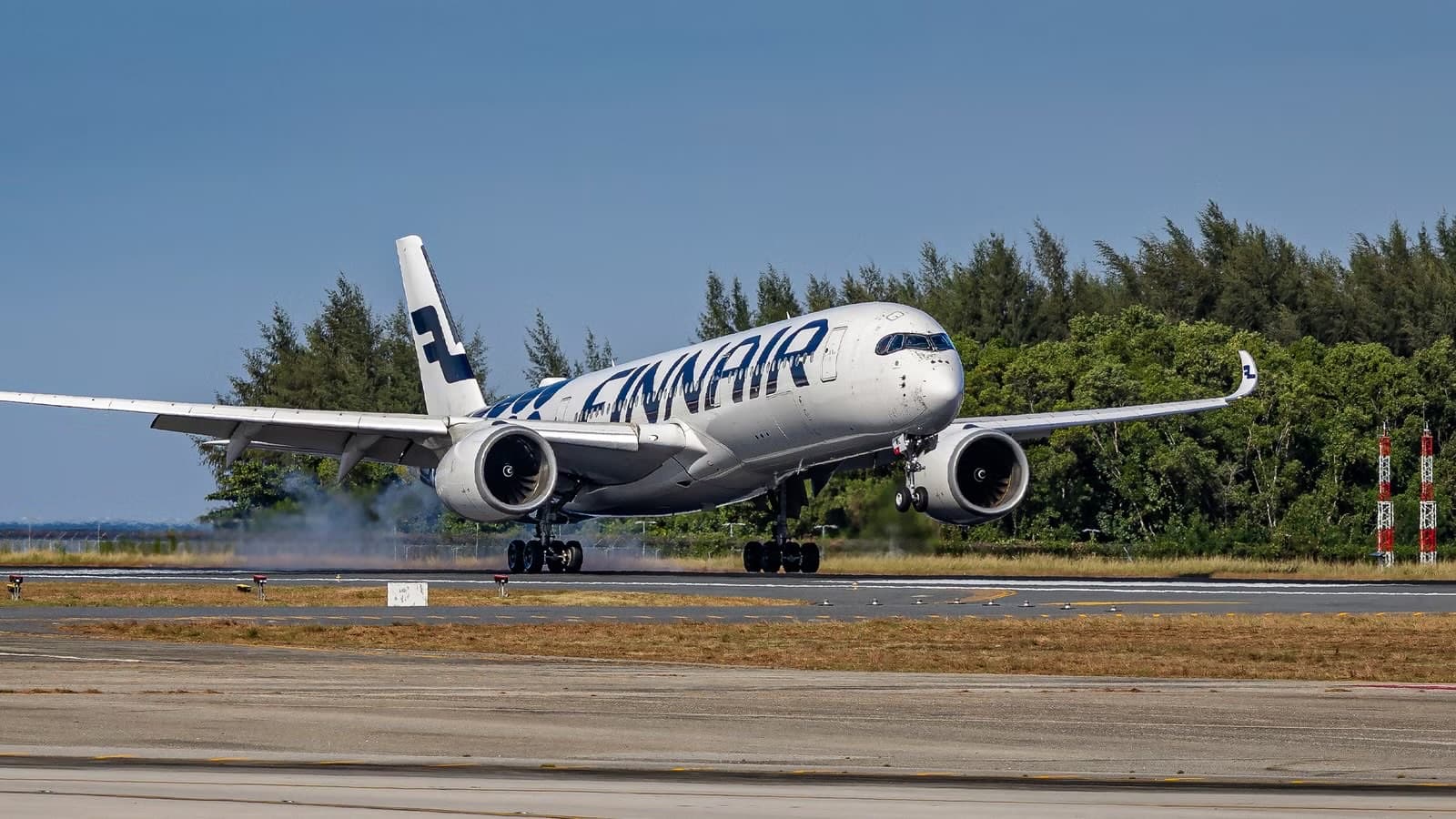
Fifth Freedom Flights: Widebody Cabins on Short Routes
A fifth freedom flight puts a long haul widebody and its flat bed on a route that would normally get a narrowbody recliner. How to find them.
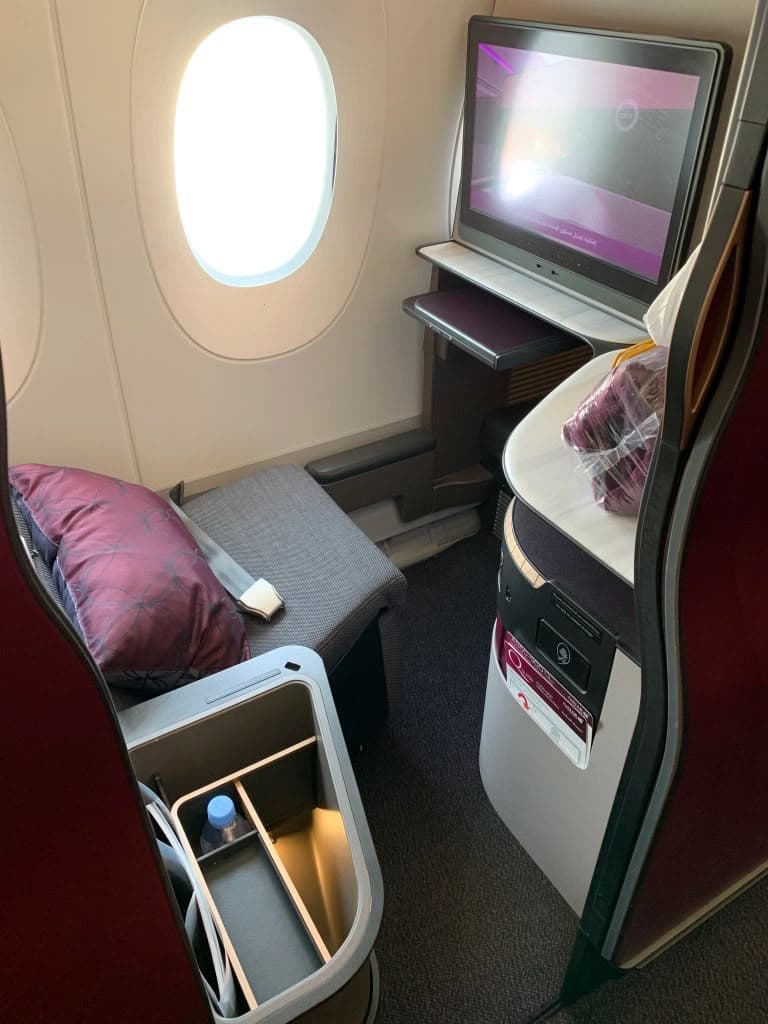
Reverse Herringbone: How to Read a Business Class Cabin
The seat layout decides your flight more than the airline does. How to spot reverse herringbone, staggered and legacy cabins before you pay.
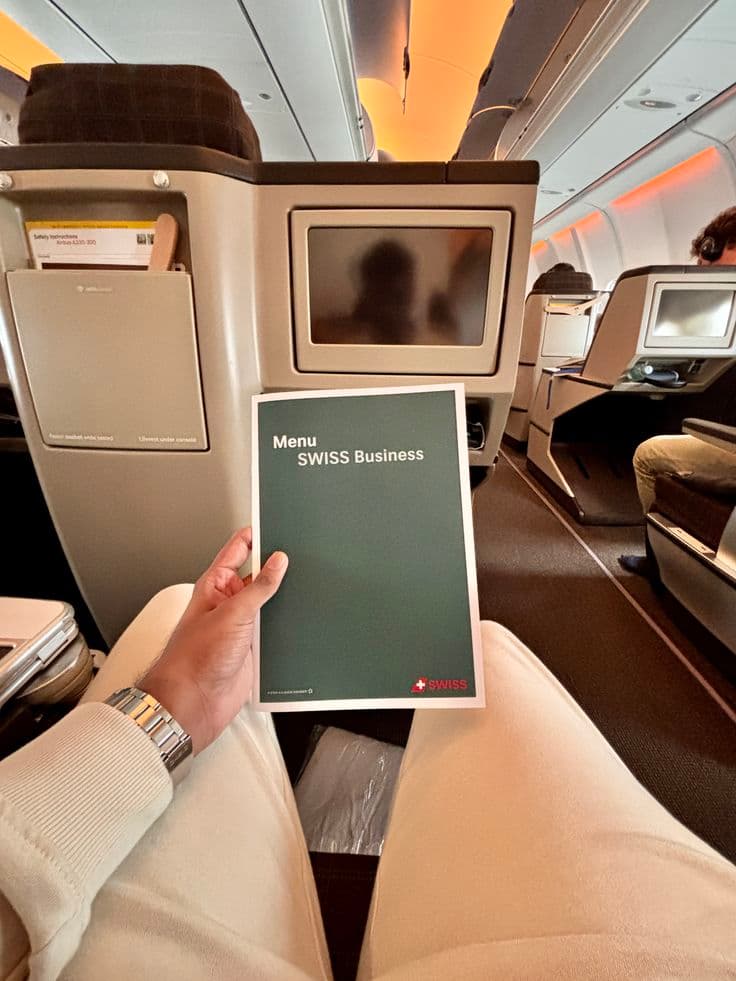
Swiss Business Class vs Lufthansa Allegris: Which to Fly
SWISS put five seat types in its A350 cabin. Lufthansa put seven. Which Lufthansa Group business class is the safer booking?
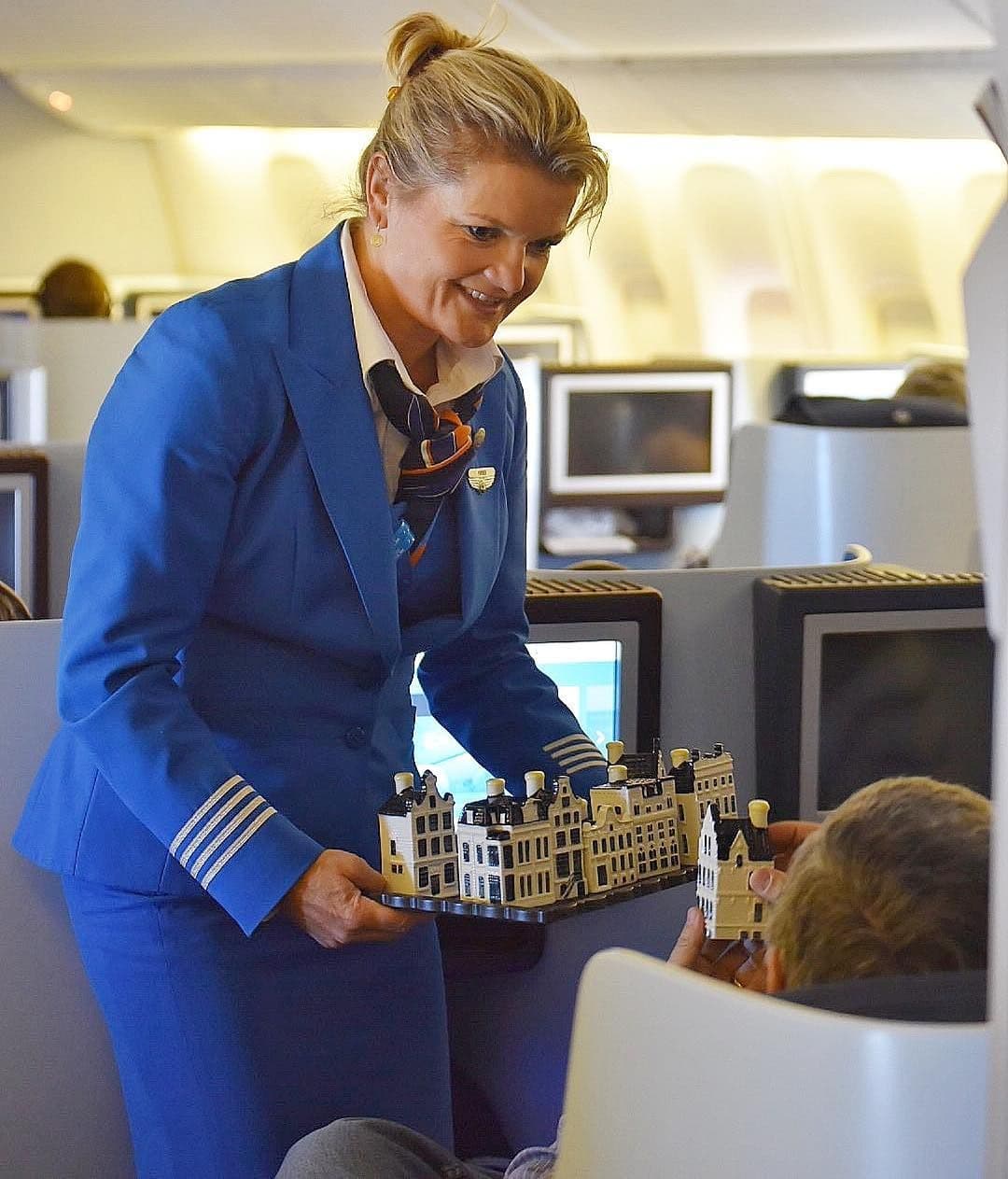
KLM Houses: How to Get One and What They Are Worth
The ceramic miniatures KLM hands out in business class since 1952: how to get one, what is inside, and which are actually worth money.

When to Book Christmas Flights in Business Class
The booking window for holiday business class opens in late July. Which December dates price worst, and the two moves that save real money.
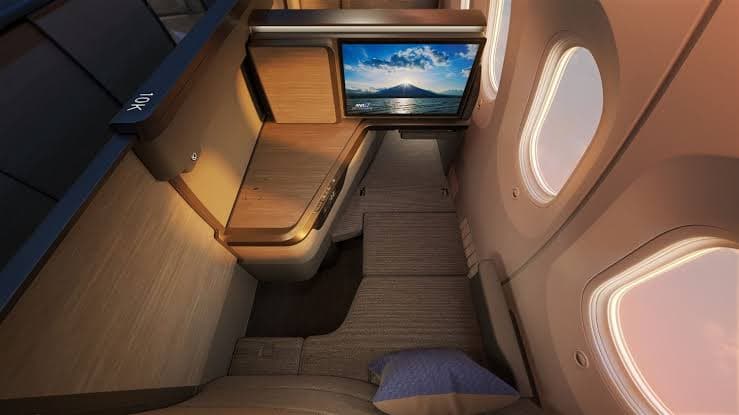
The Best Business Class Seats in 2026, Ranked
The best business class seats in 2026, ranked by the numbers: the widest and most private suites, plus the top options flying from the US.
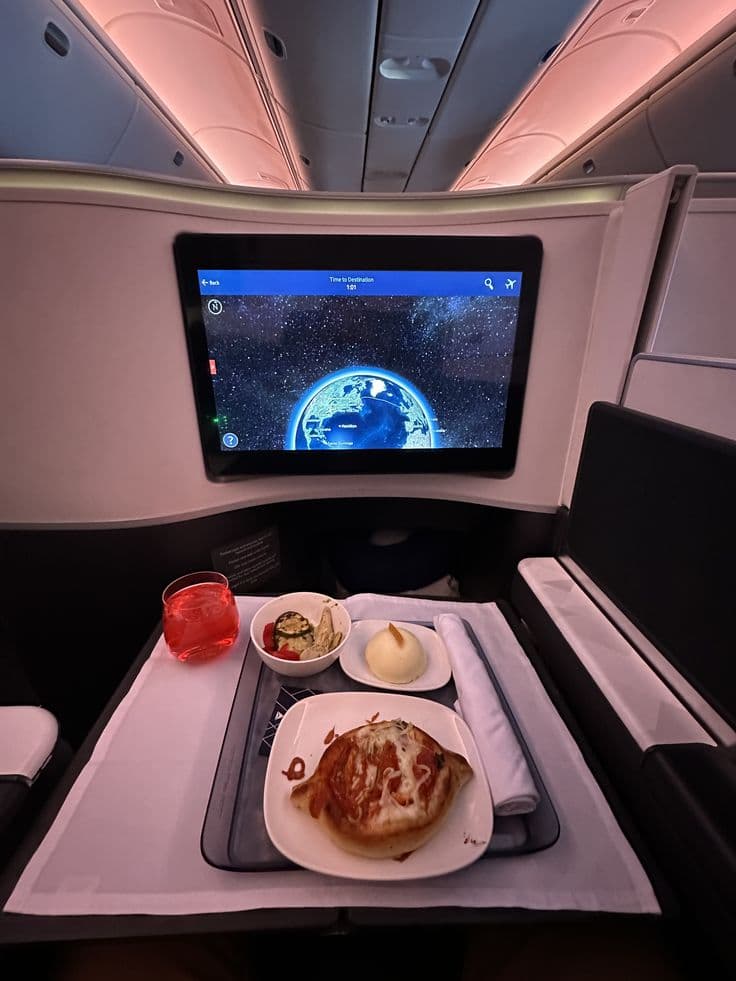
Delta One vs United Polaris: Which Is Better in 2026?
Both US carriers are overhauling business class in 2026. Here is how Delta One and United Polaris really compare, and which one wins.
SAVE UP TO 70%
ON business class TRAVEL