


The Worst Business Class Seats, and How to Spot Them
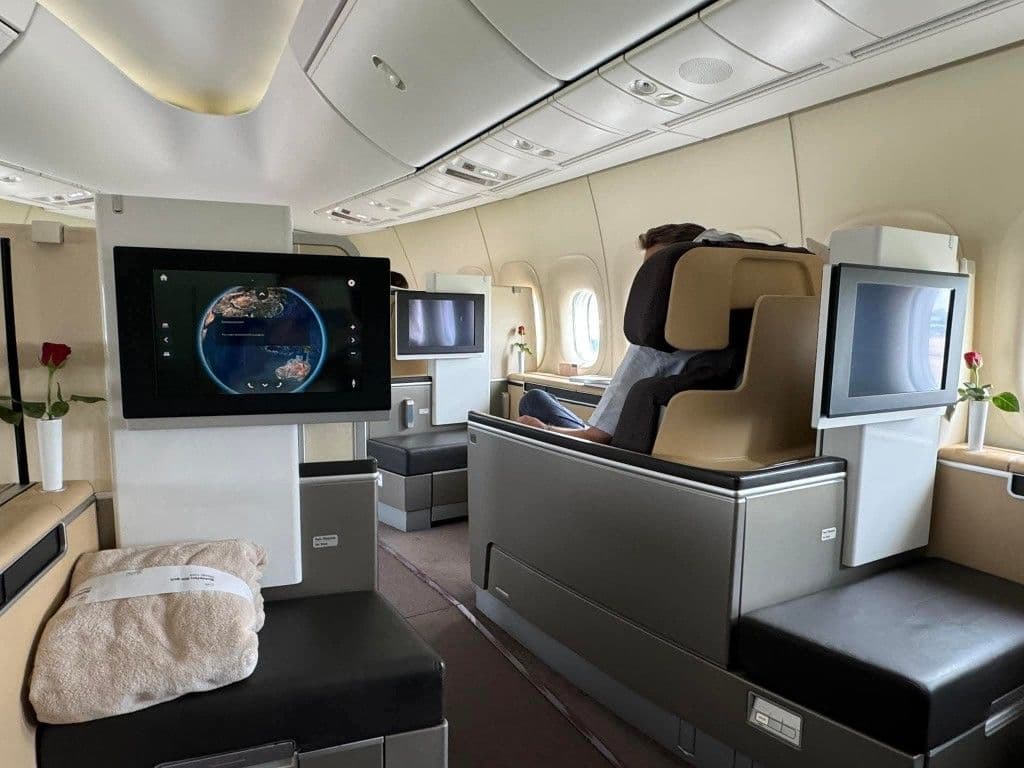
The worst business class seats are not on obscure airlines. They fly on well known carriers, on aircraft that were never refitted, and they frequently cost the same as a seat three generations newer. The cabin is what you are buying. The badge on the tail says very little about it.
This is not a list of bad airlines. Most of the carriers involved also fly excellent business class on other aircraft. It is a list of configurations worth avoiding, and of how to spot each one before you pay.
1. The 2-2-2 widebody cabin
Six seats across in business class means four of every six passengers cannot reach the aisle alone. On a night flight that becomes the whole experience. You either wake your neighbour or you stay put, and most people quietly stay put.
These cabins survive on aircraft that were due a refit and did not get one. Cathay Pacific is replacing the 2-2-2 layout on part of its Airbus A330 fleet during late 2026. That timeline shows how long a configuration lingers once installed.
The seat itself is often perfectly comfortable. Access is the problem, not padding, and no amount of catering compensates for climbing over a sleeping stranger at three in the morning.
2. Angled lie flat, sold as flat
An angled seat reclines a long way and then finishes on a slope. Marketing calls it angle flat or sloping flat. On a seat map it looks identical to the real thing.
In practice you spend the night sliding gently toward the footwell and bracing against it. Meanwhile nobody sleeps well at a five degree tilt, however good the mattress pad is.
The tell sits in the specification rather than the photograph. A true lie flat seat is described as fully flat, or simply as a bed. Anything hedged with the word angle is not.
3. The narrowbody recliner on a long sector
Plenty of five and six hour routes are flown by single aisle aircraft with a domestic style recliner at the front. The seat is wider than economy and the service is better. However, it does not go flat.
Meanwhile the fare is often close to what a widebody with a bed costs on a parallel routing. That is the part which stings, because the alternative existed and nobody pointed at it.
This is where aircraft type matters most. As the JetBlue example above shows, narrowbody does not automatically mean bad. Unrefitted narrowbody usually does.
4. The centre pair with no divider
Some 1-2-1 cabins place two seats together in the middle with nothing between them. For couples that is the best pair on the aircraft. For a solo traveler assigned there, it means sleeping beside a stranger with no partition.
That said, the fix is free and takes a minute. Look at the seat map before you choose. If the centre pair shows no console between the seats, take a window instead.
5. The galley or lavatory row
A seat can be the best product on the aircraft and still be the wrong seat. Rows backing onto a galley get light, noise and conversation for the entire night. Meanwhile rows beside a lavatory get constant traffic.
On a nine hour flight that outweighs almost any hard product advantage. Reverse Herringbone: How to Read a Business Class Cabin explains how to identify these positions from a seat map, and bulkhead seats deserve the same scrutiny for the same reason.
Why these survive at full price
Airlines price by route and demand rather than by seat generation. As a result, the oldest cabin in the fleet frequently carries the same fare as the newest one. There is no discount for an unrefitted aircraft, because the fare was never tied to the hard product in the first place.
Furthermore, refits are slow and expensive. A widebody out of service for a cabin retrofit earns nothing, so airlines schedule them around demand rather than around passenger expectations.
What to do if you are already booked
Discovering the problem after payment is common, and it is not always terminal. Because airlines swap aircraft regularly, the cabin shown today is not necessarily the cabin you fly.
First, check whether the same carrier operates a different departure on your route with better equipment. Airlines will frequently move a passenger to another flight on the same day at no charge, particularly in a premium cabin, since the seat costs them nothing if it is empty.
Second, look at the seat map again roughly a week out. Aircraft assignments firm up close to departure, and an equipment change sometimes works in your favour rather than against you.
Third, if the fare rules allow a change, price the alternative before assuming it is expensive. That said, a change fee on a discounted fare can easily exceed the value of the upgrade in comfort, so the arithmetic is worth doing rather than guessing.
Meanwhile there is one thing not to do. Turning up hoping to be moved at the gate rarely works in business class, because the cabin is usually full and the crew has no spare inventory to offer.
Spotting a poor cabin is the easy half. Finding out what the good one costs on your dates is the half that takes a phone call.
How to check before you book
Three checks catch almost everything. First, find the aircraft type for your specific date rather than for the route, because equipment swaps are common. Second, read the cabin layout. Third, look at the seat map for galley and lavatory adjacency.
On layout the rule is short. A 1-2-1 arrangement is the standard to want, and 2-2-2 is the one to question. Anything else deserves a closer look at the specification.
None of that requires expertise, only the habit of looking. Our ranking of business class airlines covers which carriers stay consistent across their fleets, and our Japan guide shows how much the cabin varies on a single route. If you would rather not check any of it yourself, that is what our quote process is for, because we name the aircraft on every quote.
Frequently Asked Questions
Which airline has the worst business class?
That question works better when asked about aircraft. Most carriers fly a mix, and the same airline can offer an excellent flat bed on one route and an unrefitted 2-2-2 cabin on another. Check the aircraft for your date instead.
Is 2-2-2 business class bad?
It is the weakest common layout, because four of every six passengers cannot reach the aisle alone. The seat itself may be comfortable. Access is the problem, and it shows up most on overnight flights.
How do I know if a seat is really lie flat?
Read the wording in the specification. Fully flat and bed both mean level. Angle flat, sloping flat and angled lie flat all mean the seat finishes on a slope, however flat the photograph looks.
Does a bigger aircraft mean better business class?
No. Some single aisle aircraft carry flat beds longer than those on widebodies, and some widebodies still fly recliners. Aircraft size predicts very little, which is why the specific type is worth checking.
Why do old business class seats cost the same as new ones?
Because airlines price by route and demand rather than by seat generation. The fare was never tied to the hard product, so there is no automatic discount for flying an older cabin.
Continue reading
Most popular stories
View all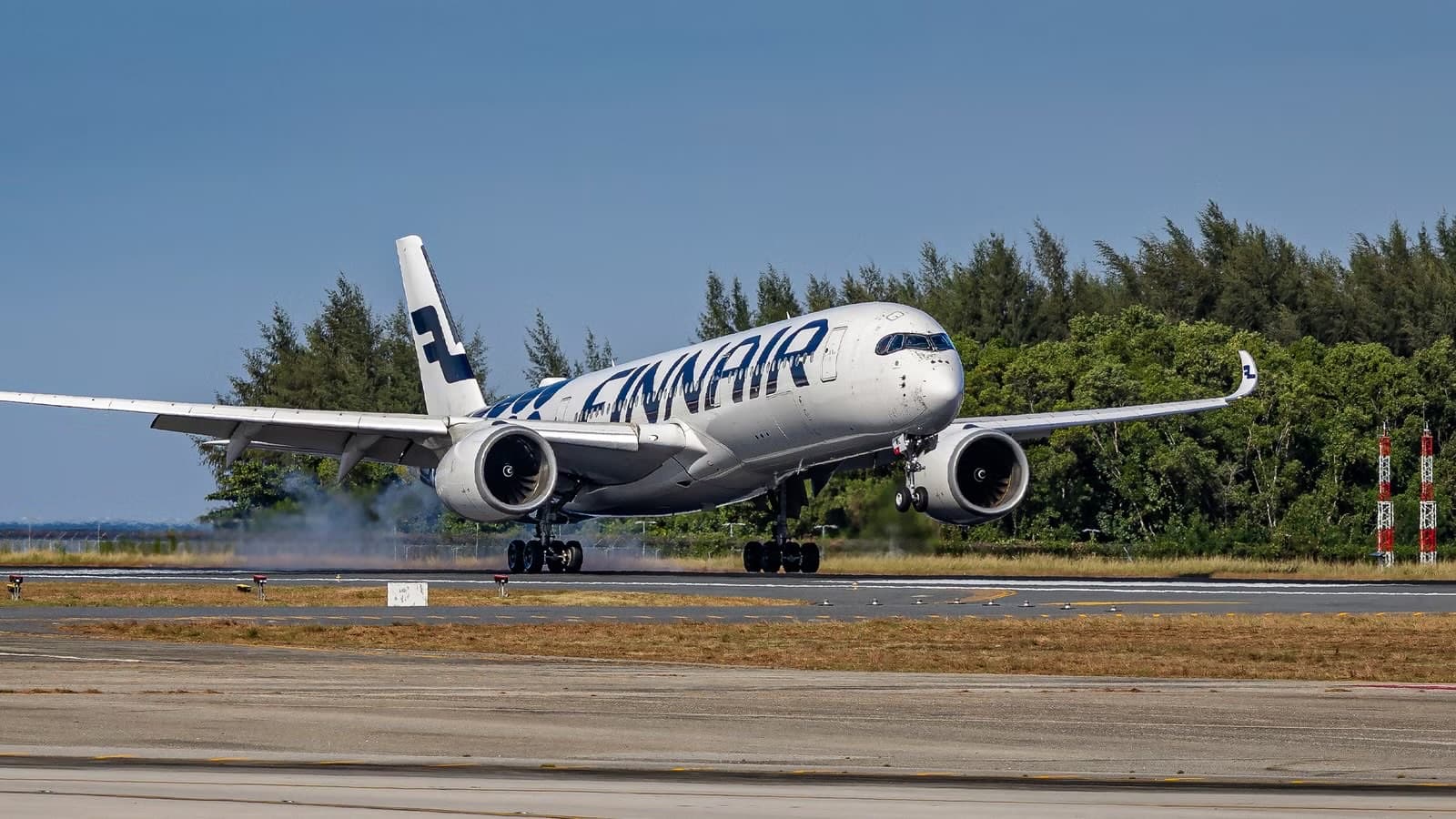
Fifth Freedom Flights: Widebody Cabins on Short Routes
A fifth freedom flight puts a long haul widebody and its flat bed on a route that would normally get a narrowbody recliner. How to find them.
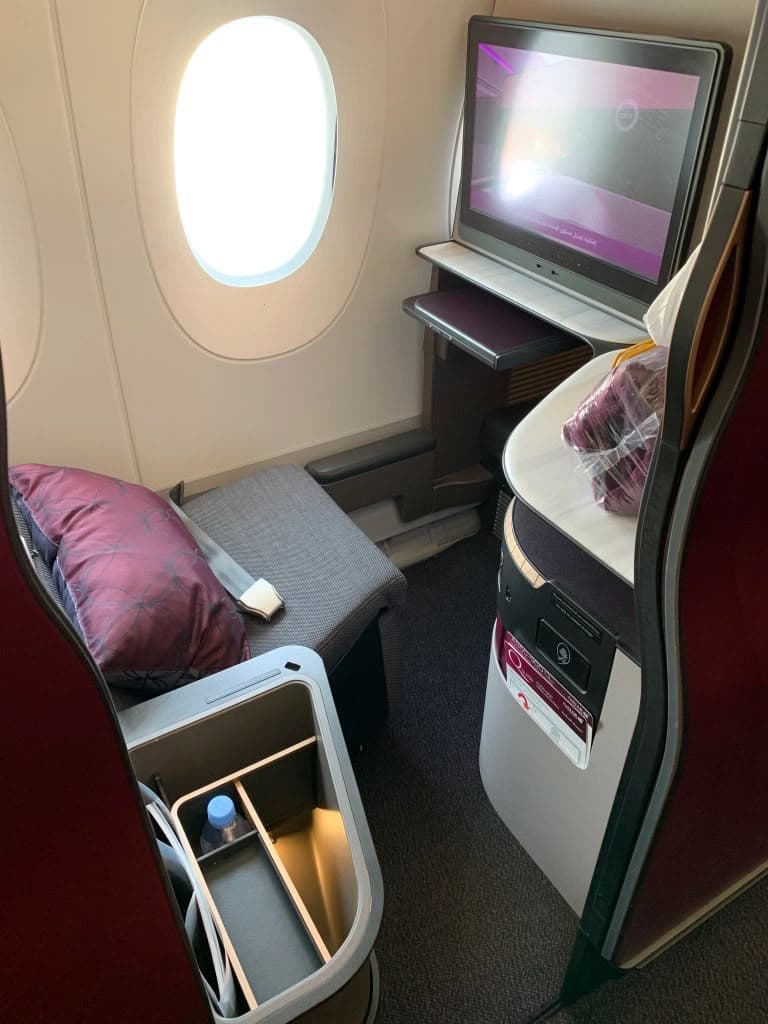
Reverse Herringbone: How to Read a Business Class Cabin
The seat layout decides your flight more than the airline does. How to spot reverse herringbone, staggered and legacy cabins before you pay.
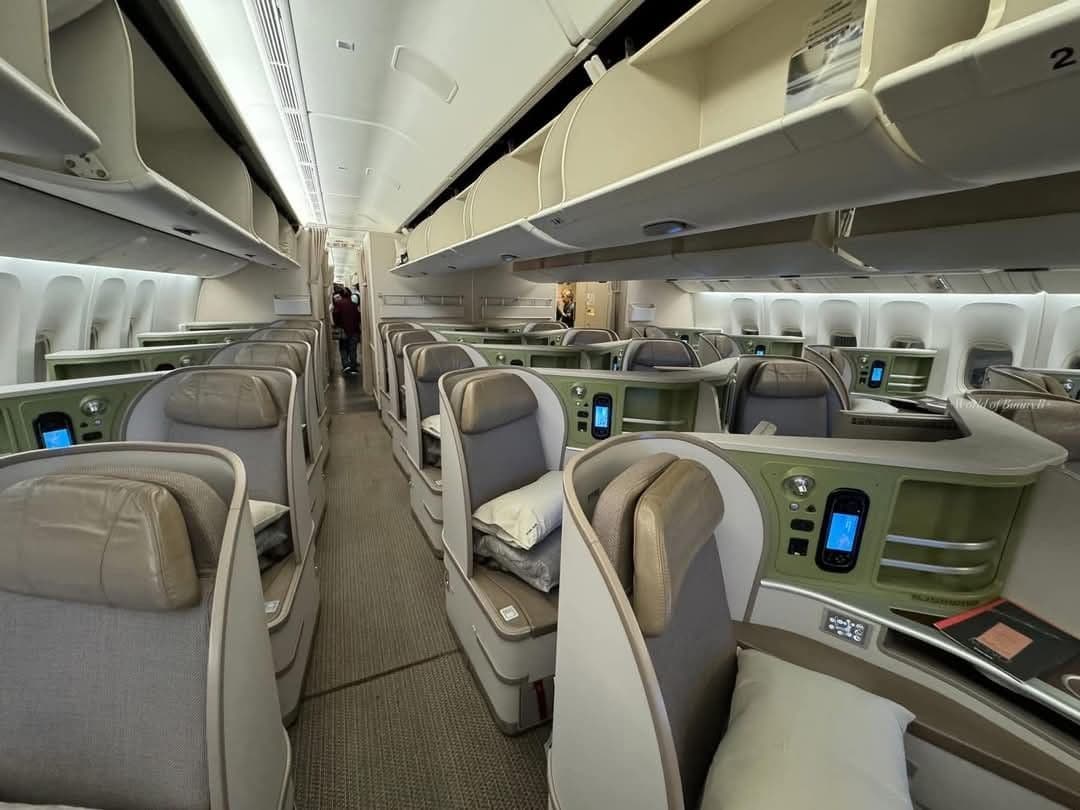
Boeing 787 vs Airbus A350 Business Class: The Numbers
Five inches separate the A350 and 787 cabins. Where that width goes, what it changes in business class, and which aircraft to ask for.
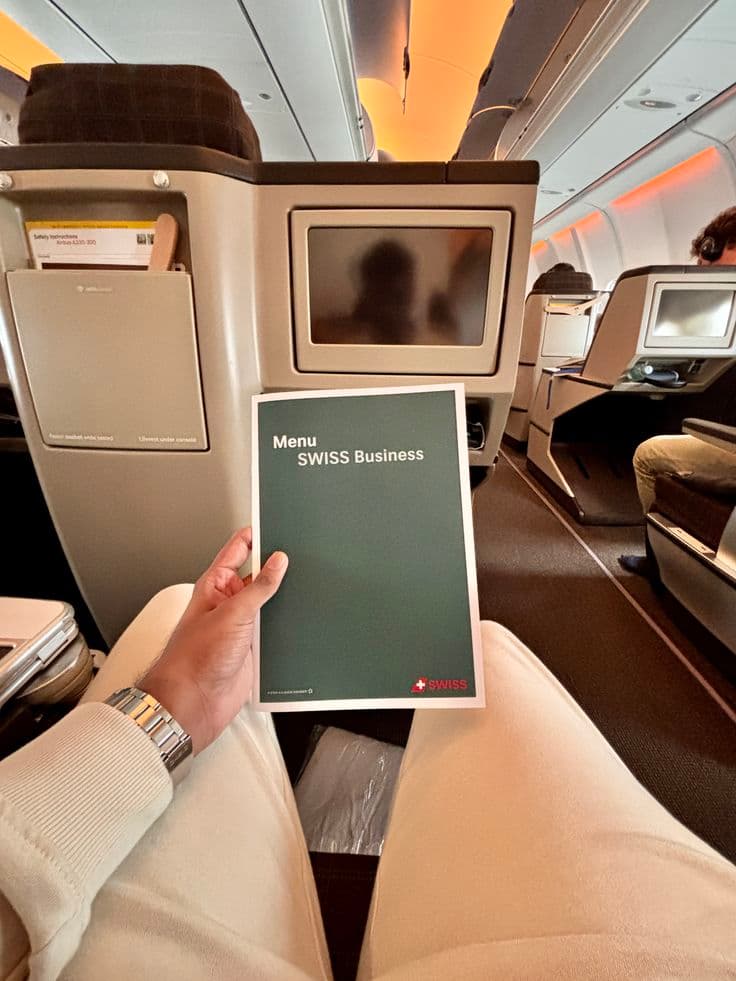
Swiss Business Class vs Lufthansa Allegris: Which to Fly
SWISS put five seat types in its A350 cabin. Lufthansa put seven. Which Lufthansa Group business class is the safer booking?
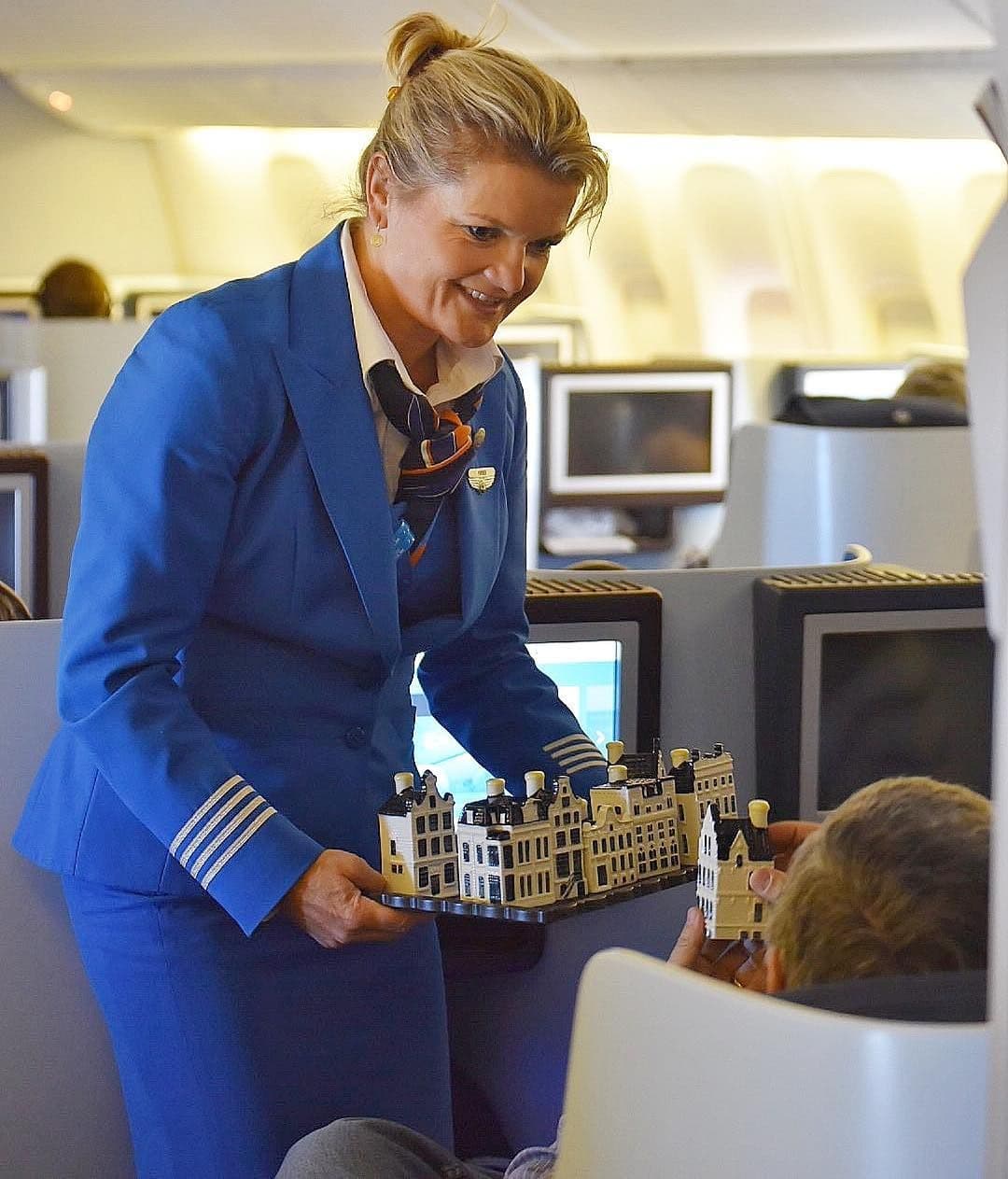
KLM Houses: How to Get One and What They Are Worth
The ceramic miniatures KLM hands out in business class since 1952: how to get one, what is inside, and which are actually worth money.
When to Book Christmas Flights in Business Class
The booking window for holiday business class opens in late July. Which December dates price worst, and the two moves that save real money.
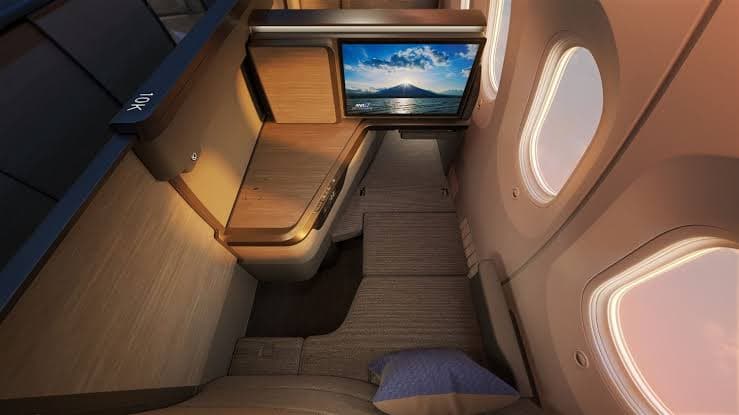
The Best Business Class Seats in 2026, Ranked
The best business class seats in 2026, ranked by the numbers: the widest and most private suites, plus the top options flying from the US.
Delta One vs United Polaris: Which Is Better in 2026?
Both US carriers are overhauling business class in 2026. Here is how Delta One and United Polaris really compare, and which one wins.
SAVE UP TO 70%
ON business class TRAVEL