


Reverse Herringbone: How to Read a Business Class Cabin
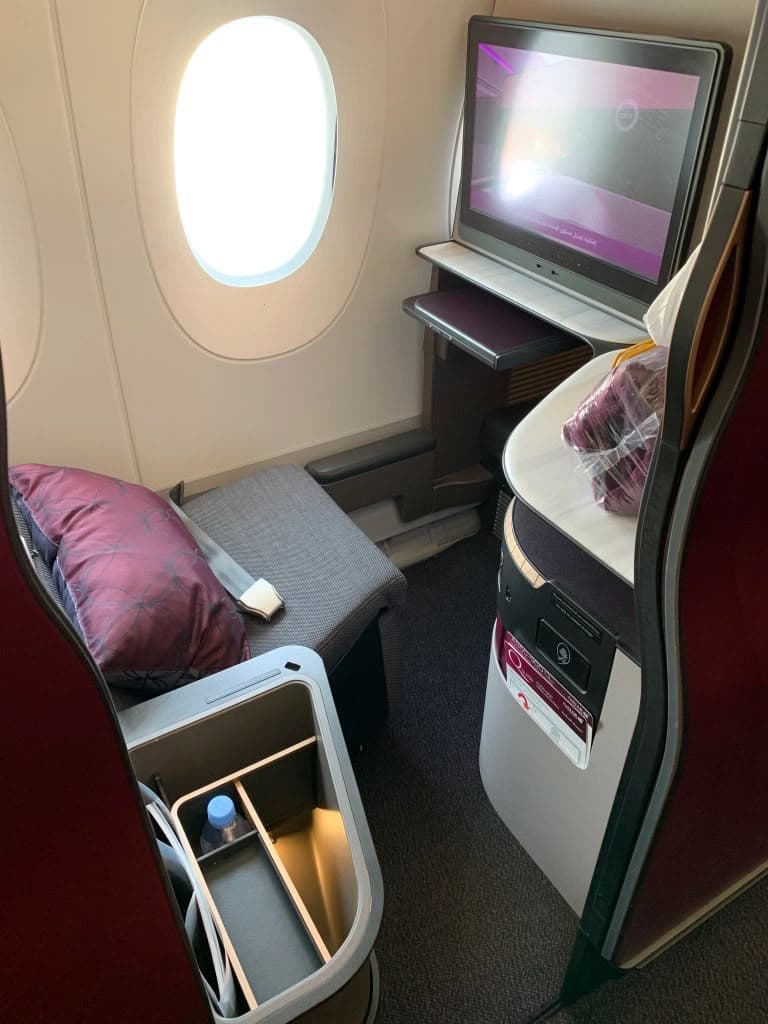
Reverse herringbone is the seat layout that shapes most of what you will remember about a long-haul business class flight. Notably, every passenger gets direct aisle access. Every seat angles away from the aisle, toward the window. Most travelers choose the airline and never look at the cabin, yet the cabin is where they spend eleven hours.
Two people can book the same route, the same day and the same fare, then have completely different flights. One faces a window with a privacy door at their shoulder. The other shares an armrest with a stranger and steps over their legs to reach the aisle. That gap is the layout, not the price.
This guide covers the four configurations you will actually meet in 2026. It also explains how to spot each one before you pay, and which seat to take once you know what you are looking at.
What reverse herringbone actually means
Herringbone describes seats set at an angle to the fuselage rather than square to it. In a plain herringbone cabin the seats angle inward, so you face the aisle. Reverse herringbone flips that. Seats angle outward, you face the window, and your back is to the walkway.
That single change does two things. Privacy improves at once, because nobody walking past is looking at your face or your laptop screen. Furthermore, the footwell shifts toward the cabin wall, which frees up shoulder room at seated height.
The arrangement is almost always 1-2-1. One seat by each window, two down the middle, one aisle on each side. As a result every passenger reaches the aisle without climbing over a neighbour. Cathay Pacific introduced the first such cabin in 2011, and the design has since become the default for new long-haul business class.
How it differs from plain herringbone
Inward-facing herringbone solves the same access problem. However, you look across the cabin at other passengers instead of out of the window. Airlines have largely moved on from it. For example, Delta and Virgin Atlantic both flew inward herringbone cabins for years before replacing them.
The four layouts you will actually meet
Reverse herringbone
As a result, this is the safest of the four to book. Direct aisle access for everyone, strong privacy, and a wide shoulder area that usually measures between 20 and 23 inches. However, the trade is the footwell. It narrows toward the wall and can feel tight if you sleep on your side.
Staggered
Seats alternate between two positions across the row. Some sit close to the window with the console on the aisle side, and those are the good ones. Others sit hard against the aisle with no buffer at all. Meanwhile the centre pairs alternate between true doubles and seats split by a console. A staggered cabin can be excellent or ordinary depending entirely on the row you pick.
Herringbone, inward facing
Everyone still reaches the aisle without disturbing anyone. However, privacy is weaker, because you face across the cabin rather than away from it. By contrast, the footwell sits toward the aisle, which some tall passengers actually prefer.
2-2-2 and other legacy cabins
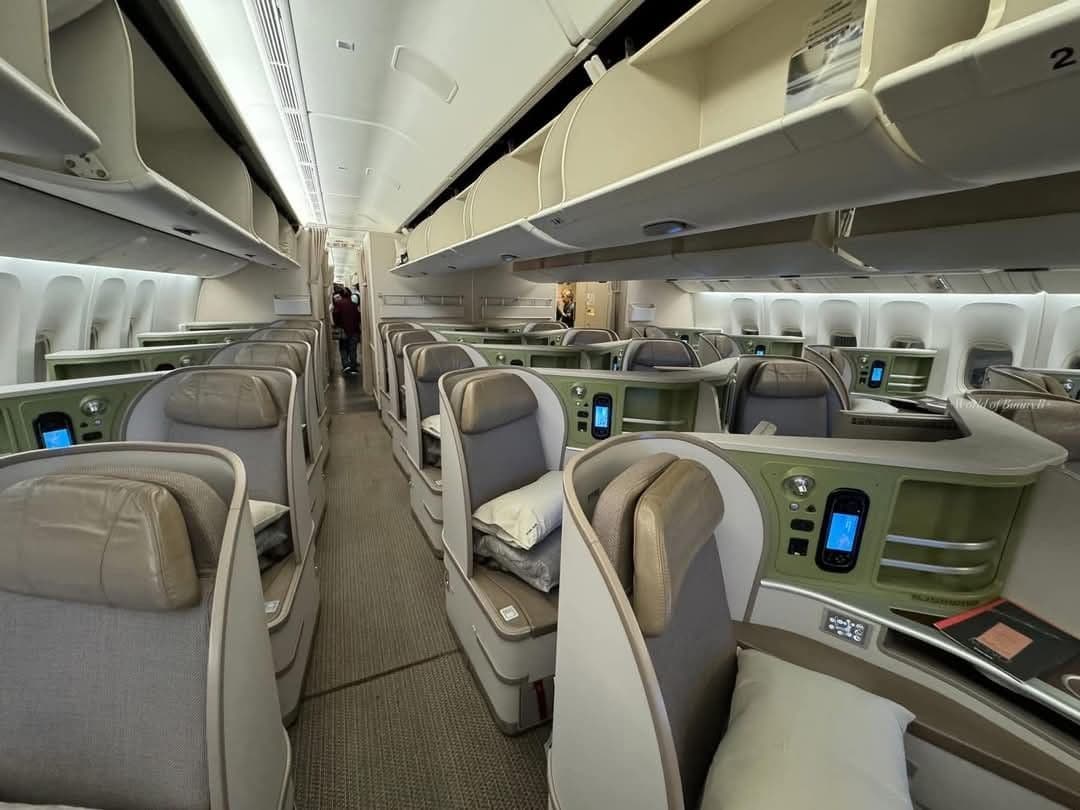
Older widebodies still fly 2-2-2, and a few fly 2-3-2. Window passengers step over a neighbour every time they stand up. Meanwhile these cabins are being retired steadily, yet they remain common on aircraft that have not been refitted. Lufthansa began replacing its 2-2-2 cabins with the Allegris layout in 2024, and the older arrangement still flies on part of the fleet.
How to choose your seat once you know the layout
Travelling alone
In these cabins, take a window. The two centre seats are perfectly good, but a window gives you a wall on one side and nothing to negotiate. In a staggered cabin, look for rows where the seat sits away from the aisle behind its console. Seat maps show the offset clearly once you know to look for it.
Travelling as a pair
The centre pair is the right answer in almost every 1-2-1 cabin. Notably, the two middle seats angle slightly toward each other. Meanwhile in staggered cabins, alternate rows place the centre seats together with no console between them, and those are the ones worth asking for.
Throne seats
Some staggered cabins produce a single seat with console space on both sides. Enthusiasts call these throne seats, and for good reason. As a result they are the most sought after seat in any staggered cabin and they go first, so check the seat map early if your aircraft has them.
Two more things are worth checking before you commit. Read the seat pitch rather than the width alone, because pitch is what determines bed length. Also treat the bulkhead seat in a staggered cabin with care, since bulkhead rows sometimes lose the console that makes the seat worth having.
Knowing the layout is half the job. Knowing what that specific cabin should cost on your dates is the other half.
Which airlines fly which layout
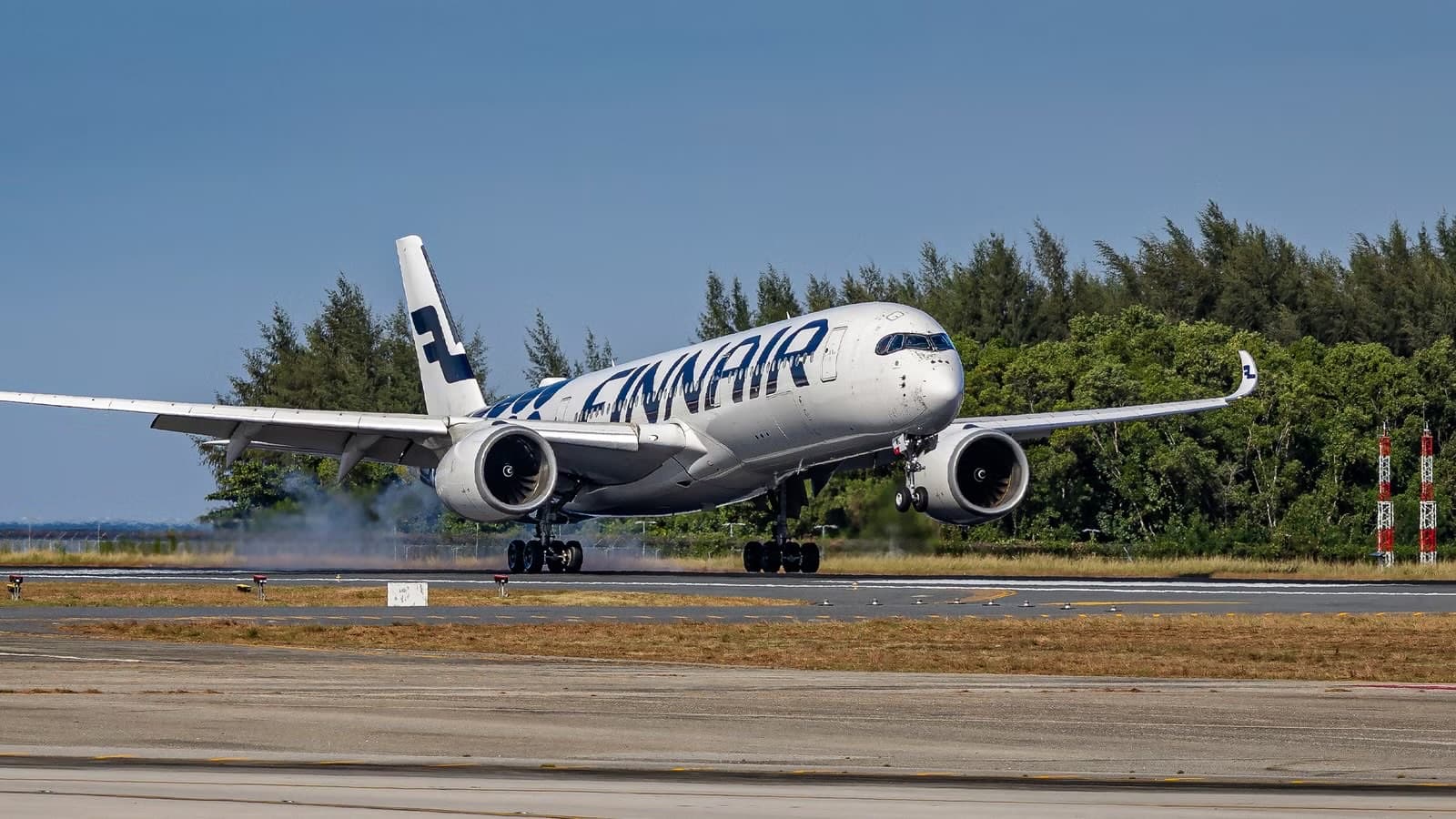
As of August 2026, reverse herringbone is the most common configuration on new long-haul business class. American Airlines, Delta, Cathay Pacific, Finnair and China Airlines all fly versions of it. Most are built on either the Collins Aerospace Super Diamond or the Safran Cirrus platform.
Staggered cabins remain widespread across European and Asian carriers. Qatar Airways uses a staggered arrangement for the Qsuite, with the unusual trick of centre seats that fold into a four person suite. Our guide to Qatar Airways business class covers how that works on board, and the Doha hub matters if you are pricing business class flights to Doha.
That said, JetBlue Mint is the odd one out. It flies a staggered cabin with throne seats in the odd-numbered rows, which is rare on a transatlantic narrowbody. For a ranked view of the individual products rather than the layouts underneath them, The Best Business Class Seats in 2026, Ranked goes airline by airline.
One caution. Aircraft swap regularly, so the cabin you booked is not always the cabin you fly. For that reason, check the seat map again closer to departure. Our quote process names the aircraft type for exactly this reason.
Frequently Asked Questions
What does reverse herringbone mean?
Reverse herringbone describes business class seats angled away from the aisle, so passengers face the window. The layout is almost always 1-2-1, which gives every passenger direct aisle access. It is now the most common configuration on new long-haul business class cabins.
Should plane seats face backwards?
Rear-facing seats are generally safer in an impact, because the seat back spreads the force across the whole body. British Airways flew rear-facing window seats in Club World for years. Most airlines moved away from them, partly because passengers disliked the sensation and partly because the layouts used cabin space less efficiently.
Is reverse herringbone better than staggered?
For a solo traveler, usually yes, because almost every seat in that cabin is equivalent. Staggered cabins vary far more from row to row. That said, a good staggered seat in a throne position beats anything in the angled layout for sheer space.
Can I tell the layout before I book?
Yes, and the seat map on the booking page shows it directly. Angled seats in a 1-2-1 pattern mean herringbone or reverse herringbone. Seats that alternate position across the row mean a staggered cabin. Straight rows of two mean a legacy 2-2-2.
Most popular stories
View all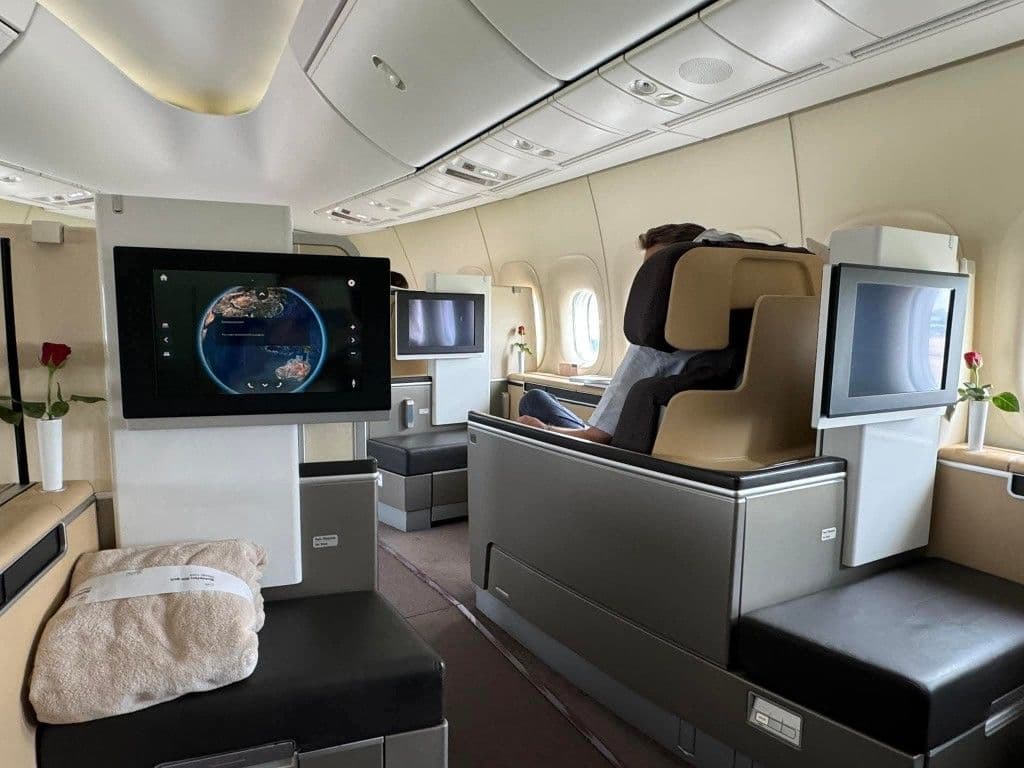
The Worst Business Class Seats, and How to Spot Them
The weakest business class cabins fly on well known airlines, on aircraft that were never refitted, at the same price as far better seats.
Fifth Freedom Flights: Widebody Cabins on Short Routes
A fifth freedom flight puts a long haul widebody and its flat bed on a route that would normally get a narrowbody recliner. How to find them.
Boeing 787 vs Airbus A350 Business Class: The Numbers
Five inches separate the A350 and 787 cabins. Where that width goes, what it changes in business class, and which aircraft to ask for.
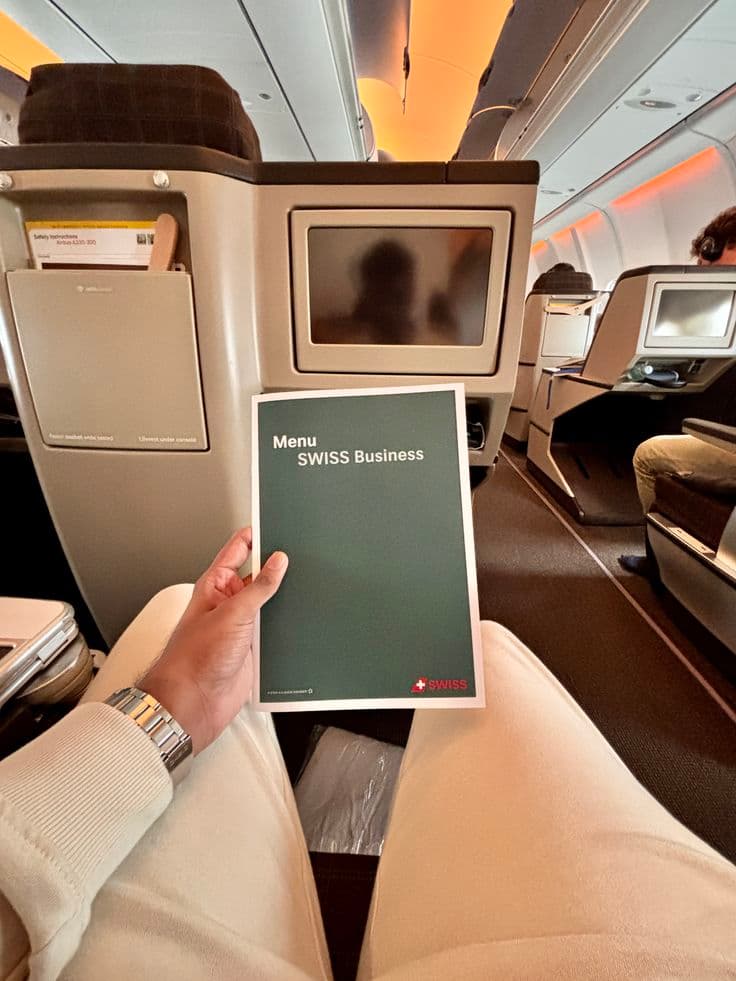
Swiss Business Class vs Lufthansa Allegris: Which to Fly
SWISS put five seat types in its A350 cabin. Lufthansa put seven. Which Lufthansa Group business class is the safer booking?
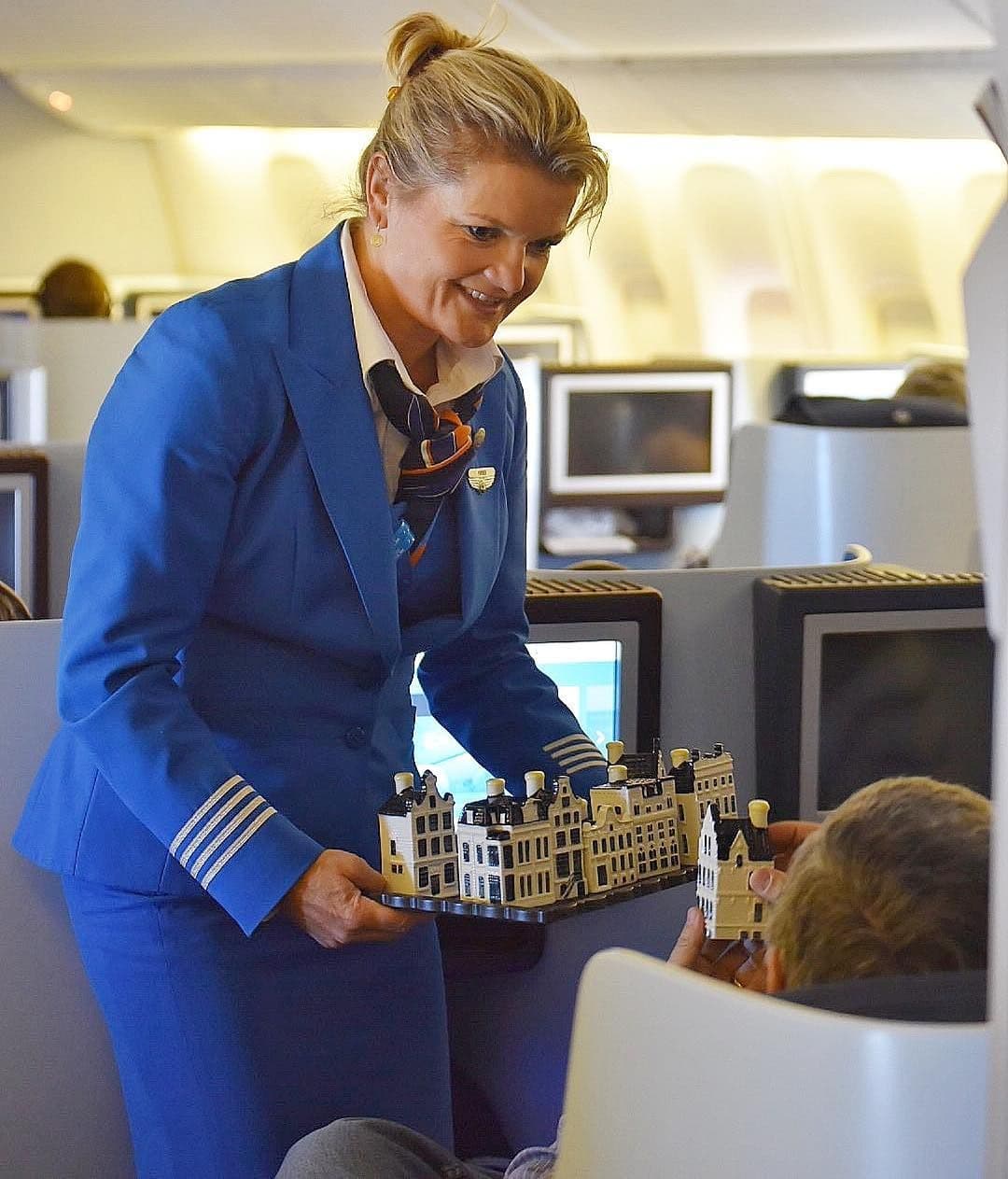
KLM Houses: How to Get One and What They Are Worth
The ceramic miniatures KLM hands out in business class since 1952: how to get one, what is inside, and which are actually worth money.
When to Book Christmas Flights in Business Class
The booking window for holiday business class opens in late July. Which December dates price worst, and the two moves that save real money.
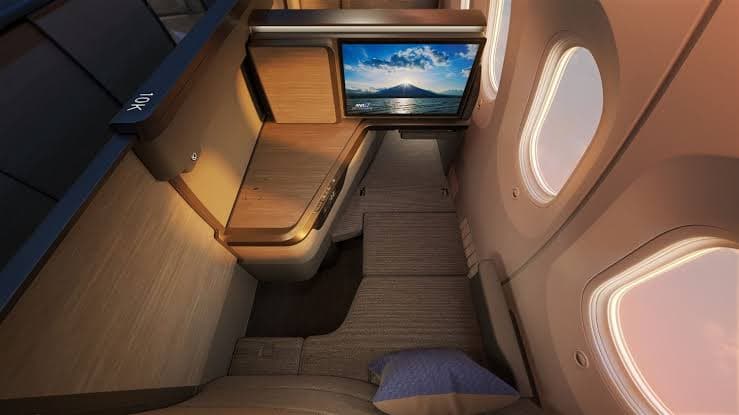
The Best Business Class Seats in 2026, Ranked
The best business class seats in 2026, ranked by the numbers: the widest and most private suites, plus the top options flying from the US.
Delta One vs United Polaris: Which Is Better in 2026?
Both US carriers are overhauling business class in 2026. Here is how Delta One and United Polaris really compare, and which one wins.
SAVE UP TO 70%
ON business class TRAVEL