


Fifth Freedom Flights: Widebody Cabins on Short Routes
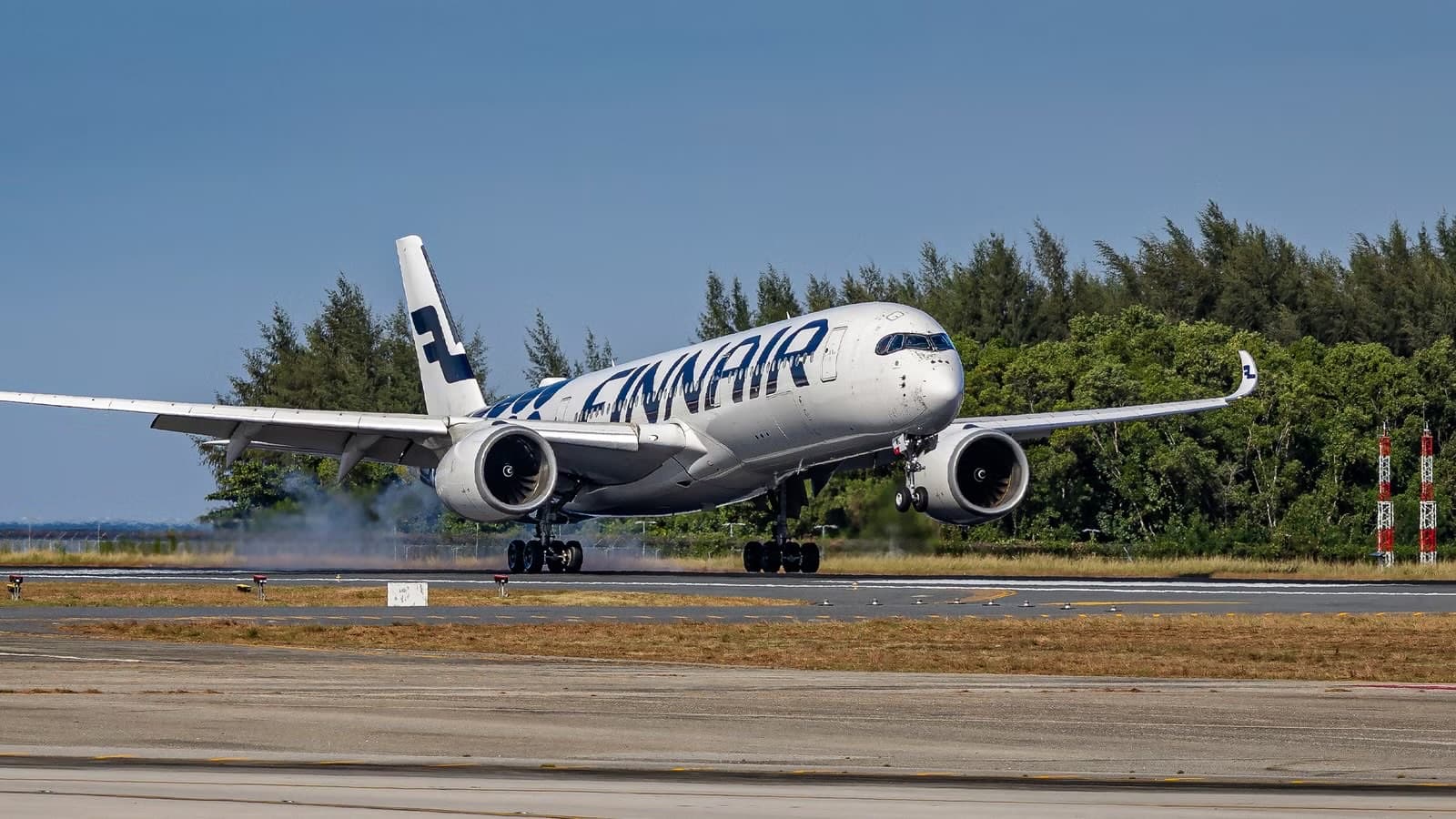
A fifth freedom flight is a route between two foreign countries, flown by an airline from a third country. Emirates carries passengers between Athens and Newark. Singapore Airlines carries them between Frankfurt and New York. In both cases the airline picks up local traffic on a middle sector, and those seats go on sale like any other.
For anyone who cares about the cabin rather than the badge, this matters a great deal. A fifth freedom sector frequently puts a long haul widebody onto a route that would otherwise get a narrowbody. The flat bed comes with it.
The pricing follows its own logic too. On that middle sector the operator is competing against local carriers rather than setting the market. Sometimes the fare reflects that, and sometimes it does not.
Where the fifth freedom comes from
The freedoms of the air were set out at the Chicago Convention in 1944. They number the rights one country grants another country's airlines. The first two cover overflight and technical stops. Three and four cover carrying passengers to and from your own country.
The fifth goes further. It permits an airline to carry paying passengers between two foreign countries, provided the sector connects to its home market. That last condition is what shapes the map.
As a result, a fifth freedom sector is nearly always one leg of a longer route home. They cluster on corridors where an airline already needed to stop, whether for fuel, for crew or for commercial reasons.
Why airlines bother
Because the aircraft is going there anyway. If a widebody has to route through an intermediate city, the seats on that sector are otherwise empty inventory. Selling them turns a technical necessity into revenue.
Furthermore, these rights are negotiated between governments. An airline holding them has something a local competitor cannot simply copy, which is why the routes tend to persist for years once established.
What this means for the cabin you get
Here is the practical payoff. Short and medium sectors are normally flown by narrowbody aircraft. At the front you get a recliner, and sometimes just an economy seat with the middle blocked.
A fifth freedom sector on that same route can put a Boeing 777 or an Airbus A380 on it instead. The cabin is the one the operator flies intercontinentally, which means a genuine flat bed rather than a recliner.
Meanwhile the flight time might be five or six hours. That is exactly the range where a flat bed stops being a luxury and starts deciding whether you arrive rested.
The consistency problem
There is a catch, and it is worth taking seriously. Aircraft on these routes swap more often than most. A fifth freedom sector is frequently the first thing an airline downgrades when it needs the widebody elsewhere.
For that reason, checking the specific aircraft for your date beats trusting the route's reputation. A sector that ran an A380 last month may be on a narrowbody this week.
The loyalty question
The operating airline comes from a third country. Your miles and status therefore follow that airline's programme and its alliance, not the carrier you would normally fly on the route.
For anyone chasing status within a particular group, that turns an attractive cabin into an expensive detour. Meanwhile for anyone indifferent to loyalty, it costs nothing at all.
Where the routes actually cluster
They are not scattered evenly. Because a fifth freedom sector has to sit on the way home, the map follows the great trunk corridors. As a result, three regions carry most of them.
The first is Europe to North America, where Gulf and Asian carriers stop en route. Emirates, Singapore Airlines and Qatar Airways have all worked this corridor for years. Meanwhile the aircraft is invariably a widebody, since it continues intercontinentally afterwards.
The second is intra Asia, where European and Gulf airlines pick up local traffic between two Asian cities. Those sectors are short, yet the cabin is the long haul one, which makes them some of the best value premium seats anywhere.
The third is the South Pacific, where the distances force technical stops that then become commercial ones. For example, several carriers serve Australia and New Zealand through an intermediate point that they are also allowed to sell.
Notably, none of this is stable. Governments renegotiate traffic rights, airlines drop sectors that stop paying, and a route that ran for a decade can vanish in a schedule change. Therefore treat any published list as a starting point rather than as current fact.
Knowing a widebody runs your sector is one thing. Knowing what that seat should cost on your dates is another.
How to find them
No booking site offers a filter for this, which is precisely why the routes stay quiet. The reliable method is simple. Search the sector, then look at the operating carrier field.
An operator whose home country is neither your origin nor your destination is flying a fifth freedom sector. That single field tells you more than the route description ever will.
Aircraft type is the second check. If a search on a five hour route returns a Boeing 777 among a list of narrowbodies, open that result. Our guide to Qatar Airways business class covers what those widebody cabins actually contain, and The Best Business Class Seats in 2026, Ranked compares the individual products side by side.
Dubai is the most productive hub to examine. The Emirates network generates more of these sectors than anyone else, by a wide margin. If you are pricing business class flights to Dubai, it is worth asking what the onward sectors look like too.
Because the sector is sold separately, you can also use it as a standalone booking. That is what makes it useful rather than merely interesting. Our quote process names the operating carrier and aircraft type for exactly this reason.
Frequently Asked Questions
What is a fifth freedom flight?
A fifth freedom flight is a route between two foreign countries, flown by an airline from a third country as part of a longer route home. Emirates carrying passengers between Athens and Newark is a working example.
Are fifth freedom flights cheaper?
Sometimes. On the middle sector the operator competes against local airlines rather than setting the price, so fares can sit below the usual level. It is not a rule, and on popular sectors the widebody cabin occasionally prices above the alternatives.
Can I book just the fifth freedom sector?
Yes. The seats are sold like any other. You can fly the middle sector on its own without continuing to the airline's home country.
Do I earn miles on a fifth freedom flight?
You earn in the operating airline's programme and its alliance. That is not the programme of the carrier which usually serves the route, so check the alliance before booking if status matters.
Why are they called fifth freedom?
Because they use the fifth of the freedoms of the air, agreed at the Chicago Convention in 1944. Each freedom describes a different traffic right one country grants another country's airlines.
Most popular stories
View all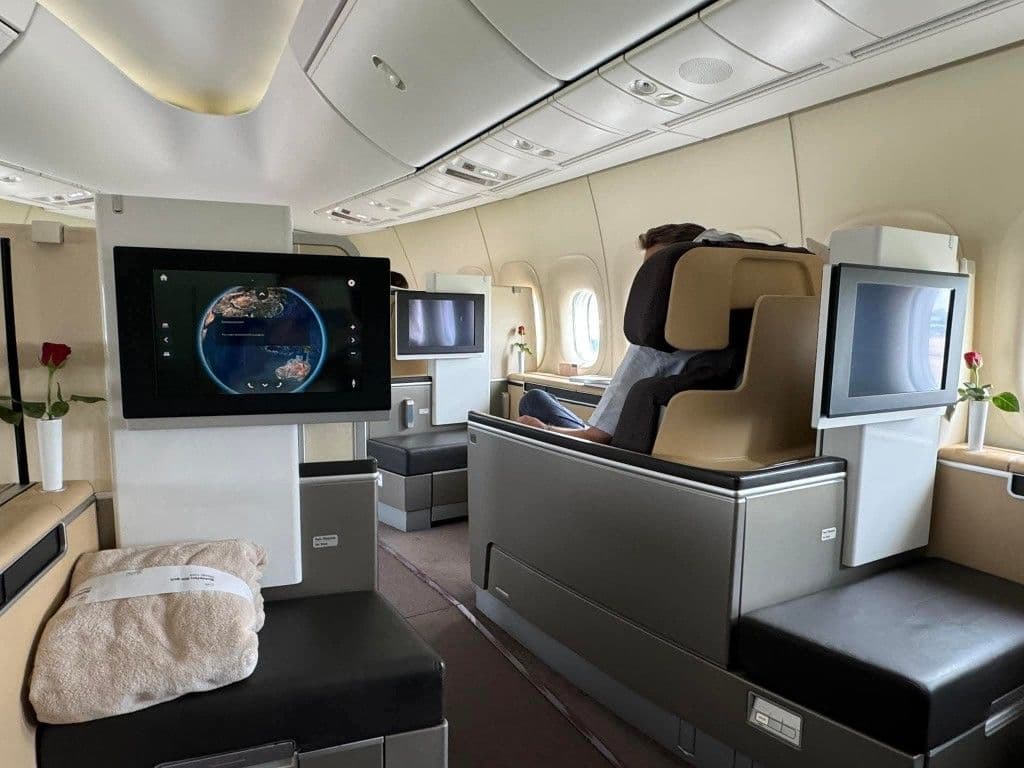
The Worst Business Class Seats, and How to Spot Them
The weakest business class cabins fly on well known airlines, on aircraft that were never refitted, at the same price as far better seats.
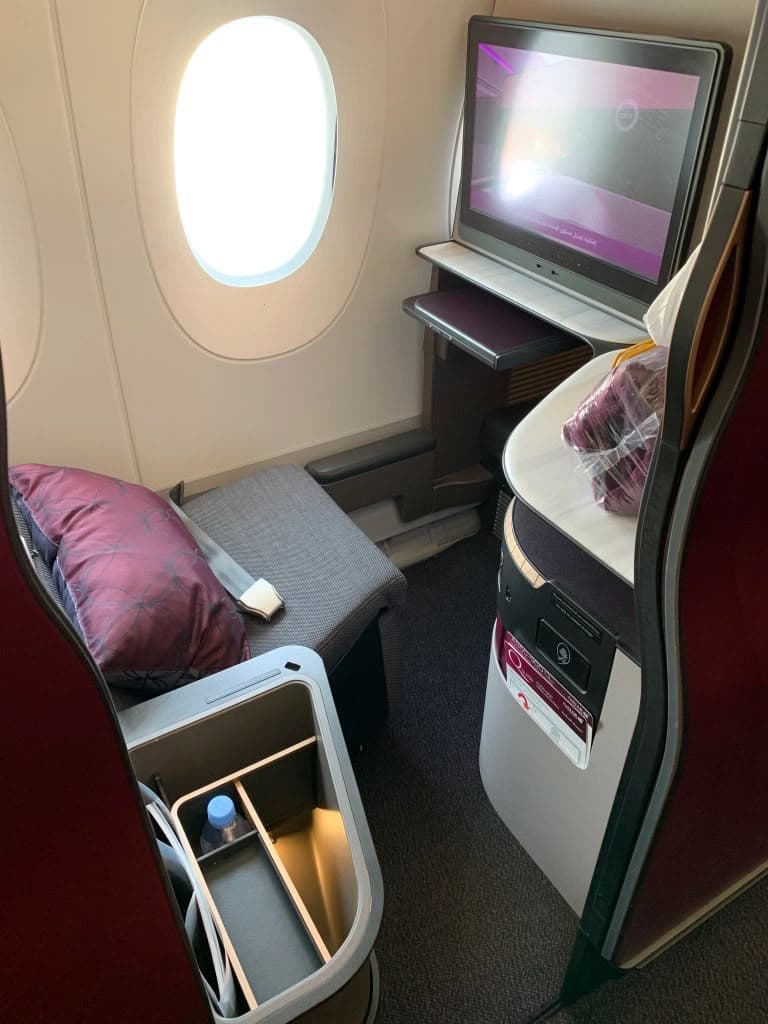
Reverse Herringbone: How to Read a Business Class Cabin
The seat layout decides your flight more than the airline does. How to spot reverse herringbone, staggered and legacy cabins before you pay.
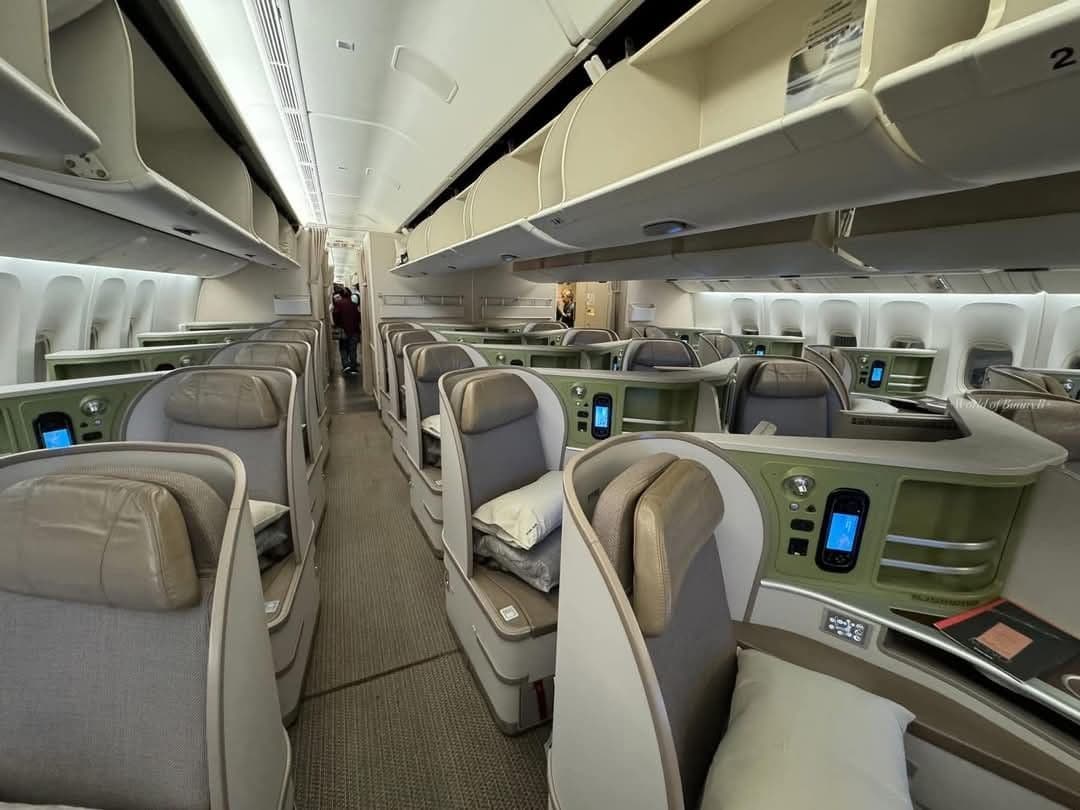
Boeing 787 vs Airbus A350 Business Class: The Numbers
Five inches separate the A350 and 787 cabins. Where that width goes, what it changes in business class, and which aircraft to ask for.
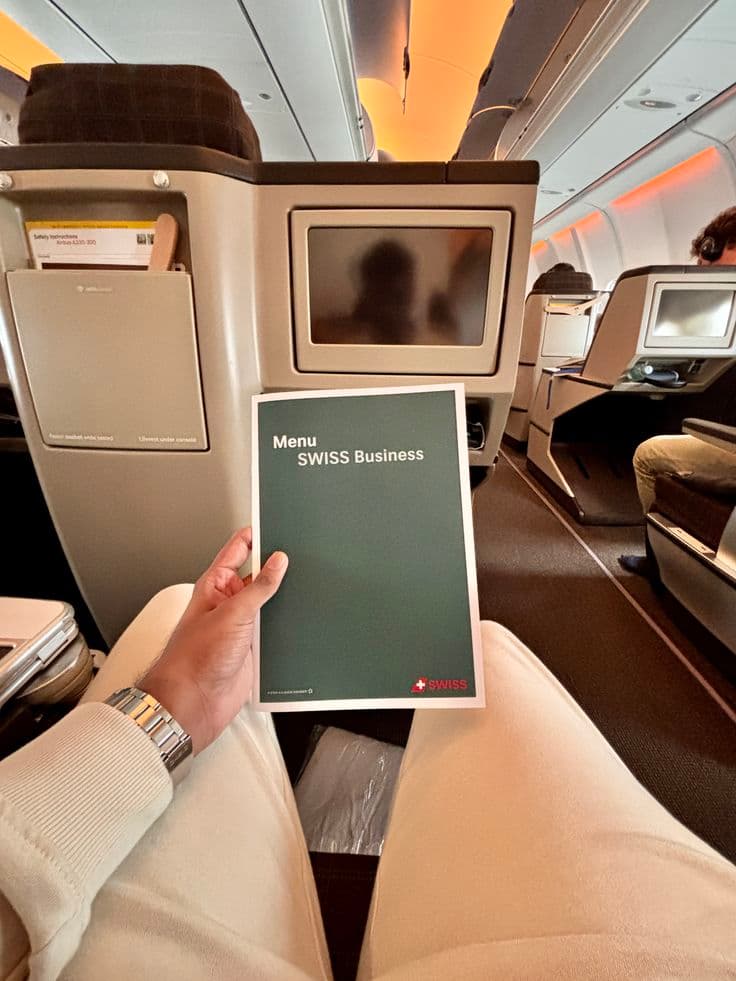
Swiss Business Class vs Lufthansa Allegris: Which to Fly
SWISS put five seat types in its A350 cabin. Lufthansa put seven. Which Lufthansa Group business class is the safer booking?
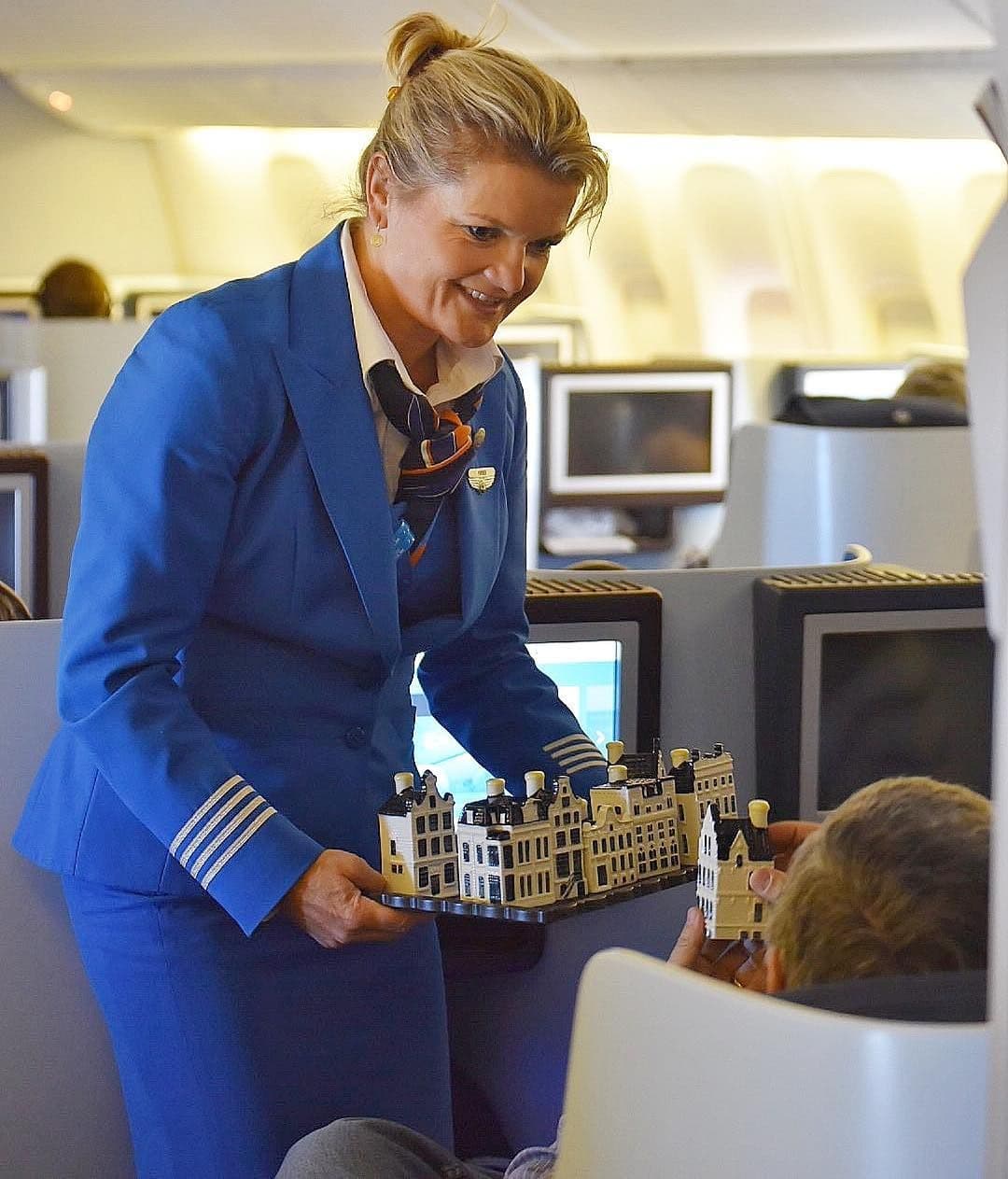
KLM Houses: How to Get One and What They Are Worth
The ceramic miniatures KLM hands out in business class since 1952: how to get one, what is inside, and which are actually worth money.
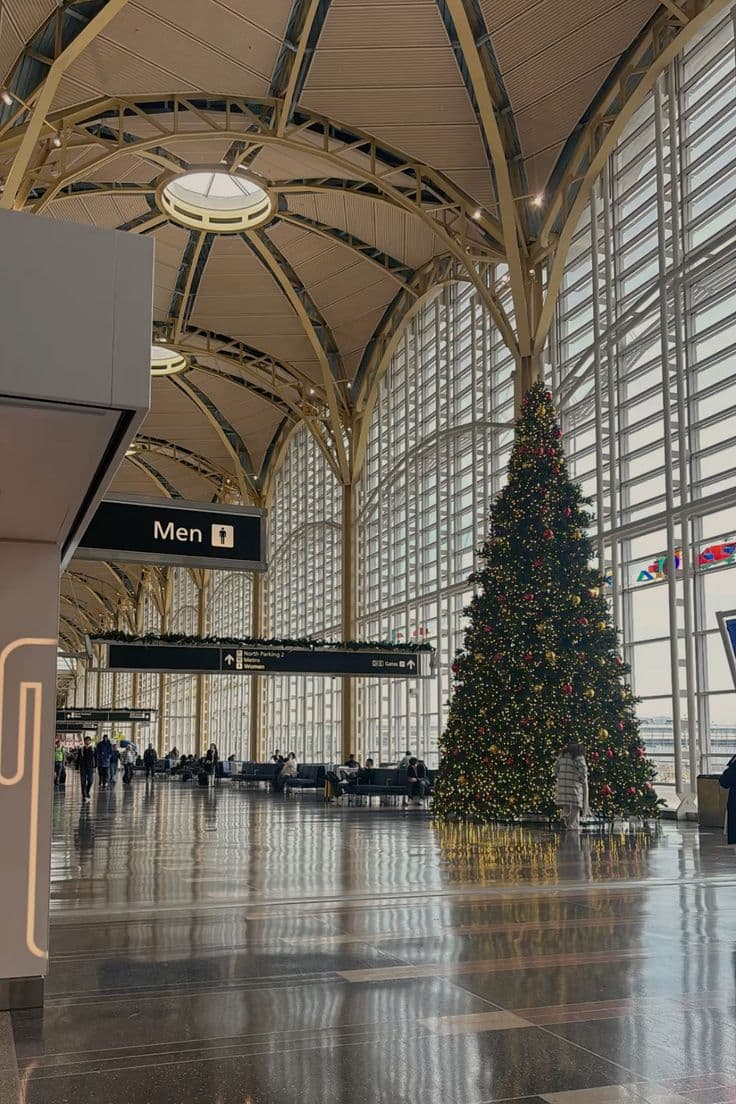
When to Book Christmas Flights in Business Class
The booking window for holiday business class opens in late July. Which December dates price worst, and the two moves that save real money.
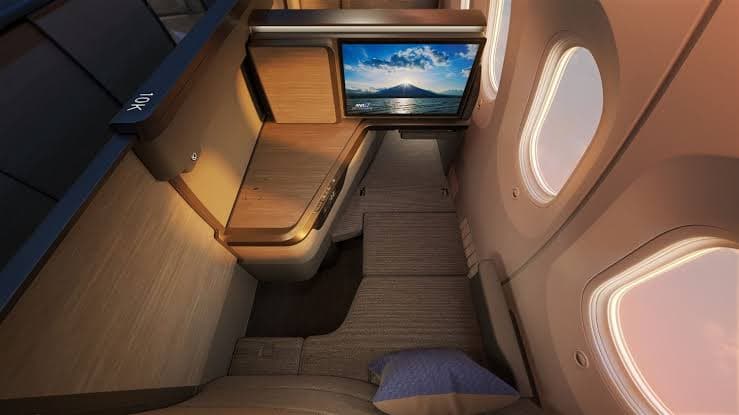
The Best Business Class Seats in 2026, Ranked
The best business class seats in 2026, ranked by the numbers: the widest and most private suites, plus the top options flying from the US.
Delta One vs United Polaris: Which Is Better in 2026?
Both US carriers are overhauling business class in 2026. Here is how Delta One and United Polaris really compare, and which one wins.
SAVE UP TO 70%
ON business class TRAVEL