


How to Upgrade to Business Class (And When Not To)

Learning how to upgrade to business class is really two skills: knowing which upgrade paths actually exist, and knowing when to walk away from all of them. Airlines have spent the last decade turning upgrades from a loyalty perk into a revenue product. The free bump at the gate is nearly extinct, and every path that remains has a price tag attached, in miles, in cash, or in both.
That is not a reason to give up on the front cabin. It is a reason to run the numbers before you pay them. This guide walks through the four real upgrade routes, what each one costs in practice as of July 2026, and the crossover point where buying the business class seat outright becomes the smarter transaction.
The Four Real Ways to Upgrade to Business Class
1. Miles and points
The classic route. Most major programs let you apply miles to move a paid economy or premium economy ticket up a cabin, and Delta's upgrade with miles program is a typical example of how airlines structure it. The catch sits in the fine print: upgrades usually require specific fare classes, the award space is capacity controlled, and many programs add a cash co pay on top of the miles. Book the cheapest economy fare and you will often find it is not upgradeable at all.
2. The cash offer after booking
Increasingly common: the airline emails you before departure, or shows an offer in manage booking, selling the empty business seat for a fixed amount. Air France does this systematically, and Emirates lets Skywards members buy up with miles as late as check in. These offers can be decent value on undersold flights. However, they price dynamically, so the same seat that costs little on a quiet Tuesday becomes expensive the week the cabin is nearly full.
3. Upgrade bidding
Dozens of carriers now run auction systems: you submit a sealed bid, the algorithm ranks it against the other bids and the forecast, and you hear the outcome a day or two before departure. Bid too low and you stay in economy; bid too high and you paid more than the checkout price would have been. The auction favors the airline by design, because you are bidding blind against the room.
4. Status and the vanishing free upgrade
Elite status still moves you up domestic cabins in the United States, but on international business class it mostly buys priority on the same paid paths rather than a free seat. Meanwhile, asking nicely at the gate belongs to aviation folklore now. Gate agents work from revenue managed lists, and an empty business seat at boarding is usually a seat the algorithm chose not to discount, not a gift waiting for the best dressed passenger.
What an Upgrade Actually Costs
Putting honest ranges on it is hard precisely because airlines keep the pricing opaque, but the pattern is consistent. A transatlantic upgrade typically runs tens of thousands of miles per direction plus a co pay that can reach several hundred dollars, and auction wins on the same routes tend to clear in the high hundreds per leg. Do that math for two passengers, round trip, and the upgrade path quietly approaches four figures per person on top of the economy fare you already bought.
Now put that number next to the other side of the market. As of July 2026, our negotiated business class fares from New York start around $1,929 round trip to London and $2,009 to Paris, booked as business from the start: the flat bed both ways, the lounge, the baggage allowance, and no auction anxiety the week before departure. The gap between an upgraded economy ticket and an outright negotiated fare is far smaller than most travelers assume, and it sometimes inverts completely.
Route structure decides a lot here. On competitive corridors the offers flow, but on single carrier routes upgrade inventory barely exists, because the airline has no competitive reason to discount its front cabin. Our fare notes on business class flights to Cairo show that dynamic clearly: one nonstop operator, scarce upgrade space, and a negotiated fare that beats the published price by more than any auction would.
When Upgrading Is the Wrong Move
The push to upgrade to business class makes sense in three situations: your employer pays the economy fare and you only need to fund the bump, you sit on a points balance you will never otherwise spend, or a dynamic offer lands on an undersold flight at a genuinely low number. Outside those cases, the math leans the other way, for a simple reason we unpacked in Why Is Business Class So Expensive?: airlines price late demand aggressively, and upgrades are late demand by definition.
Timing compounds it. Upgrade availability is worst exactly when you want it most, on holiday weeks and full flights, while negotiated fares are contracted ahead and hold steadier. Our guide on the Best Time to Buy Business Class Tickets covers that booking window in detail, and our how it works page shows what requesting a quote involves: the route and dates, then a personal fare within the hour.
Priced an upgrade and watched the math wobble? Send us the route instead and compare a real business class fare against it.
Frequently Asked Questions
Can you ask for a free upgrade at the airport?
You can ask, but the honest answer is that it almost never works anymore. Upgrade lists are managed by revenue systems, and empty business seats are held for paying offers, elites on the list, or operational moves. Dressing well and smiling is charming and changes nothing.
How much does it cost to upgrade to business class?
There is no fixed price. Typical long haul patterns combine tens of thousands of miles with a cash co pay per direction, and auction wins tend to clear in the high hundreds of dollars per leg. The total for a round trip often lands within reach of a well negotiated outright business fare.
How many points does an upgrade take?
Programs differ widely, but long haul upgrades commonly ask 25,000 to 80,000 miles per direction depending on the airline, route and fare class, plus a co pay. Cheap economy fare classes are frequently excluded from upgrading entirely, which is the detail that catches most travelers.
Can I upgrade after I have already booked?
Usually yes, and after booking is when most upgrades actually happen: through miles in your account, a cash offer in manage booking, or a bid closer to departure. Whether it is worth doing depends on the offer against the price of having bought business class outright.
Is upgrading cheaper than just buying business class?
Sometimes, on undersold flights with aggressive dynamic offers. But once you add the economy fare, the miles value and the co pay together, a negotiated business class fare booked from the start often costs the same or less, with none of the uncertainty in the days before departure.
Most popular stories
View all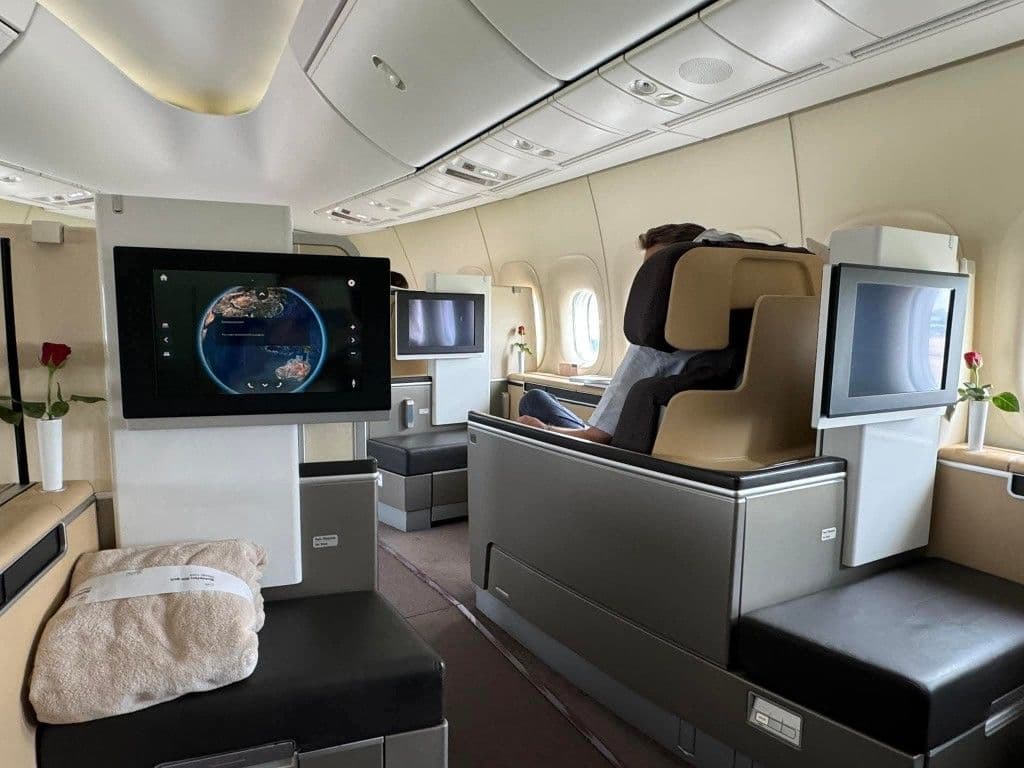
The Worst Business Class Seats, and How to Spot Them
The weakest business class cabins fly on well known airlines, on aircraft that were never refitted, at the same price as far better seats.
Fifth Freedom Flights: Widebody Cabins on Short Routes
A fifth freedom flight puts a long haul widebody and its flat bed on a route that would normally get a narrowbody recliner. How to find them.
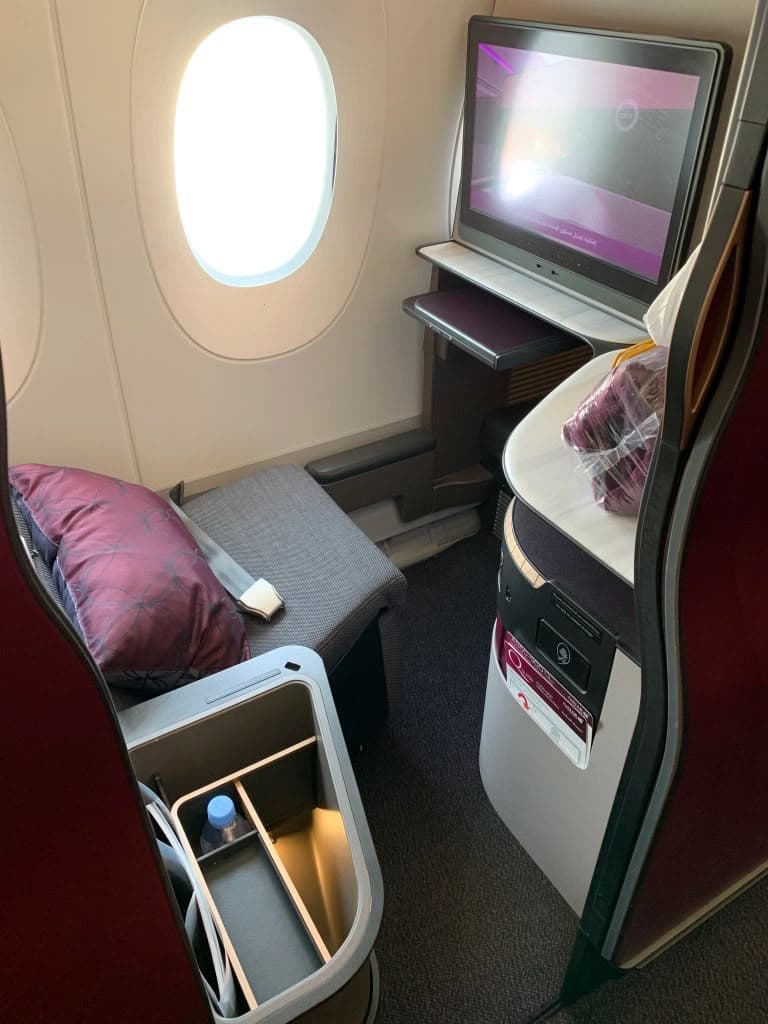
Reverse Herringbone: How to Read a Business Class Cabin
The seat layout decides your flight more than the airline does. How to spot reverse herringbone, staggered and legacy cabins before you pay.
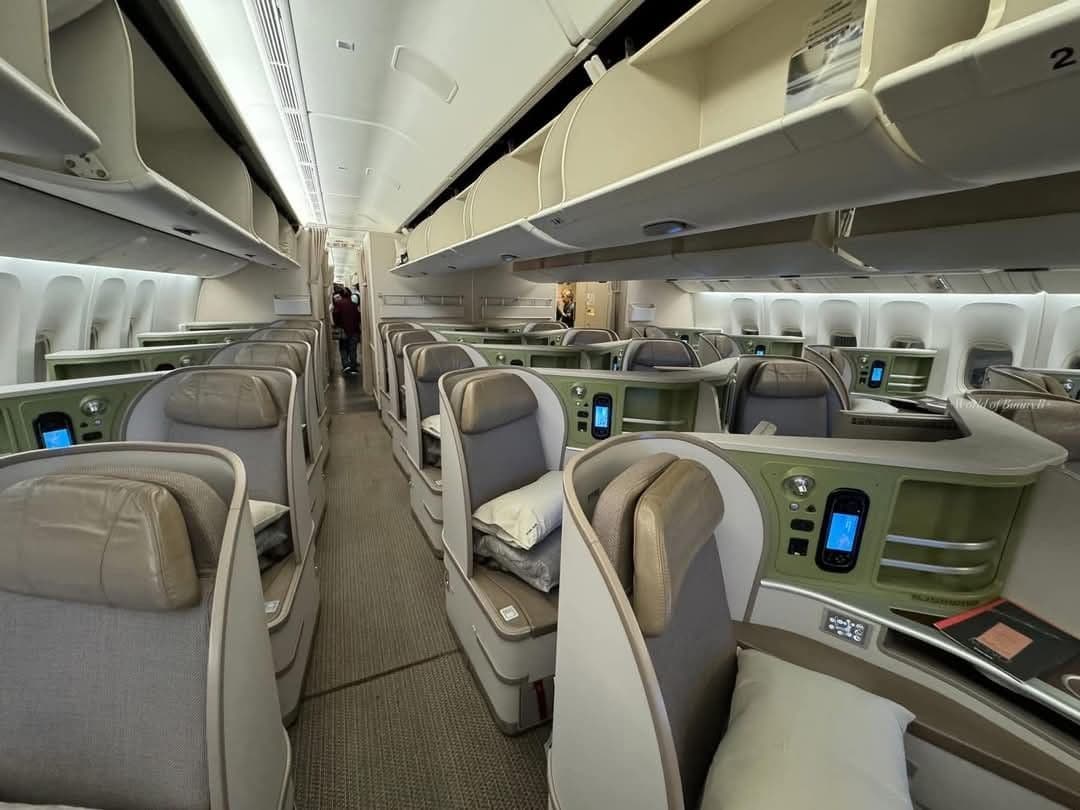
Boeing 787 vs Airbus A350 Business Class: The Numbers
Five inches separate the A350 and 787 cabins. Where that width goes, what it changes in business class, and which aircraft to ask for.
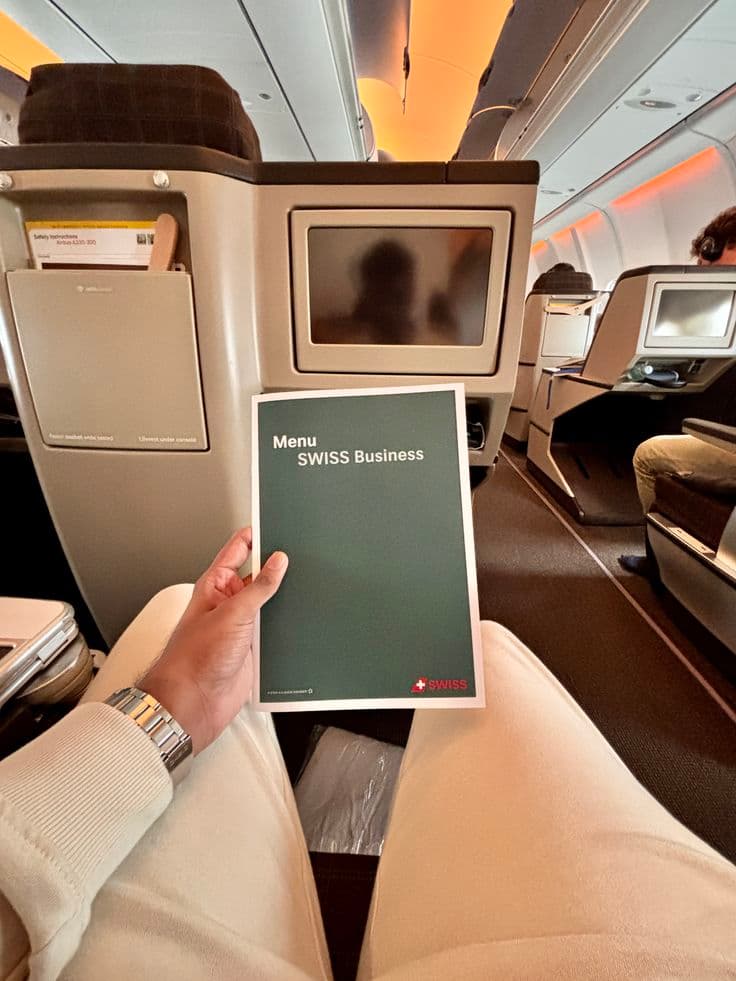
Swiss Business Class vs Lufthansa Allegris: Which to Fly
SWISS put five seat types in its A350 cabin. Lufthansa put seven. Which Lufthansa Group business class is the safer booking?
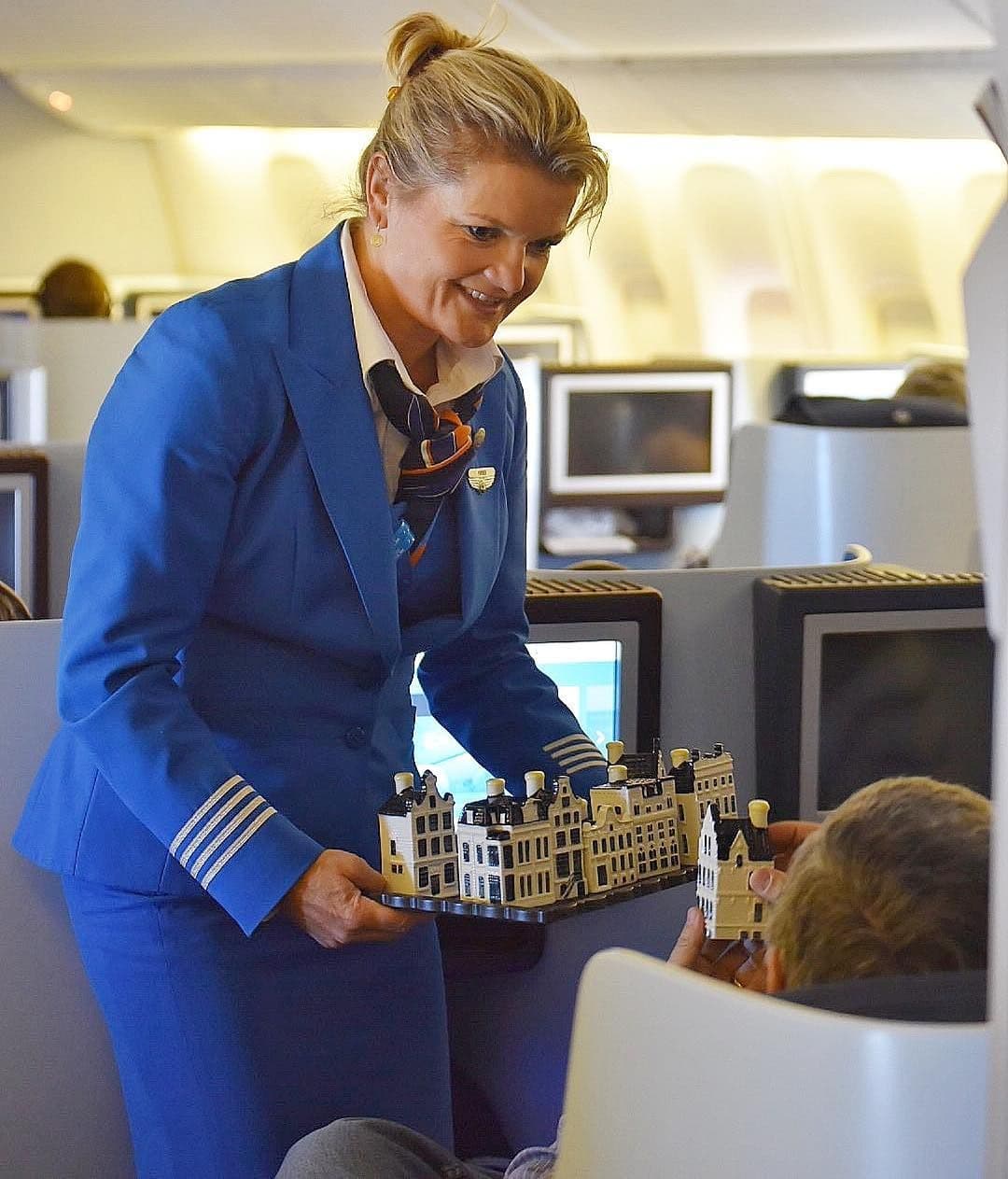
KLM Houses: How to Get One and What They Are Worth
The ceramic miniatures KLM hands out in business class since 1952: how to get one, what is inside, and which are actually worth money.
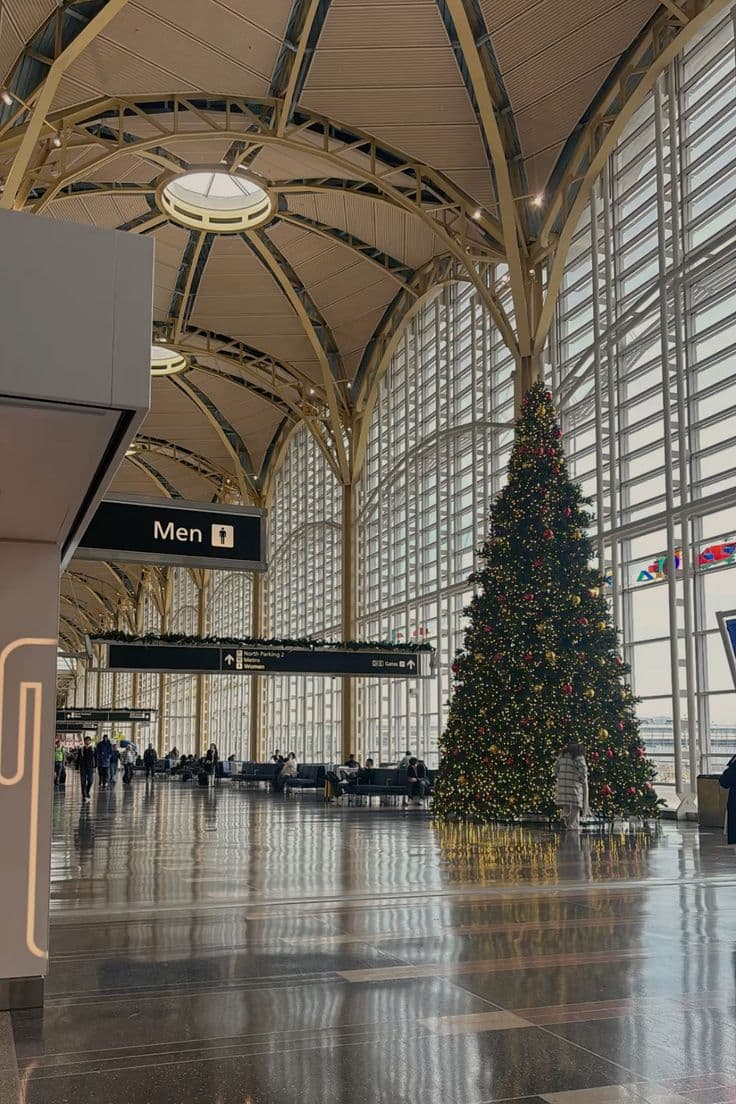
When to Book Christmas Flights in Business Class
The booking window for holiday business class opens in late July. Which December dates price worst, and the two moves that save real money.
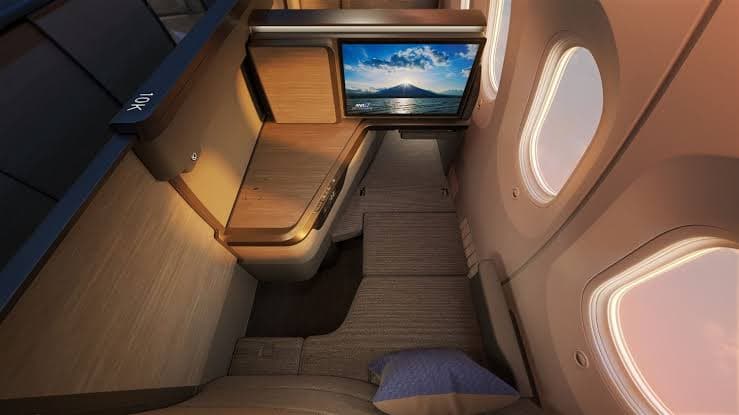
The Best Business Class Seats in 2026, Ranked
The best business class seats in 2026, ranked by the numbers: the widest and most private suites, plus the top options flying from the US.
SAVE UP TO 70%
ON business class TRAVEL