


Business Class vs Premium Economy: The Real Difference
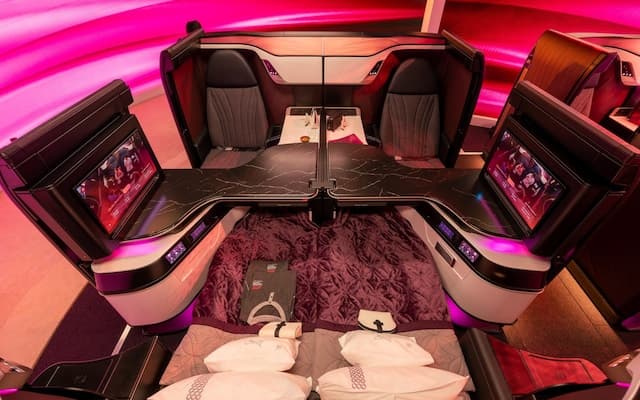
The debate between business class vs premium economy comes up the moment you start pricing a long haul flight and realize you don’t want to spend 11 hours in a standard economy seat. Both cabins represent a meaningful upgrade over economy. Yet the gap between them is larger than most travelers expect before flying each for the first time. This guide explains what that gap actually is.
Specifically, it covers what each cabin includes, how pricing compares on major routes, and how to decide which option makes sense for your next flight.
In This Article
- What premium economy actually offers in practice
- What business class includes that premium economy does not
- How pricing compares on transatlantic and transpacific routes
- Which cabin is worth it depending on flight length and priorities
- How to pay less for business class than the published fare
What Is Premium Economy, Really?
Premium economy sits between economy and business class. However, product quality varies more widely across airlines than most travelers realize. US domestic carriers often treat “premium economy” as little more than a few extra inches of legroom. By contrast, major international carriers, British Airways, Singapore Airlines, Air France, Qantas, and others, offer a genuinely different cabin with wider seats, better recline, improved meals, and dedicated check in.
A long haul international premium economy seat typically offers a pitch of 35 to 38 inches. Standard economy, by comparison, runs 30 to 32 inches. You also get a wider seat with more recline, an upgraded meal service, a small amenity kit, and priority boarding. Lounge access is not included. Furthermore, the seat does not convert into a flat bed on any major carrier.
For a 6 to 8 hour flight where arriving rested isn’t critical, premium economy can therefore represent good value. Flights of 10 hours or more, however, reveal the limitations much more clearly once the cabin goes dark.
What Business Class Includes That Premium Economy Does Not
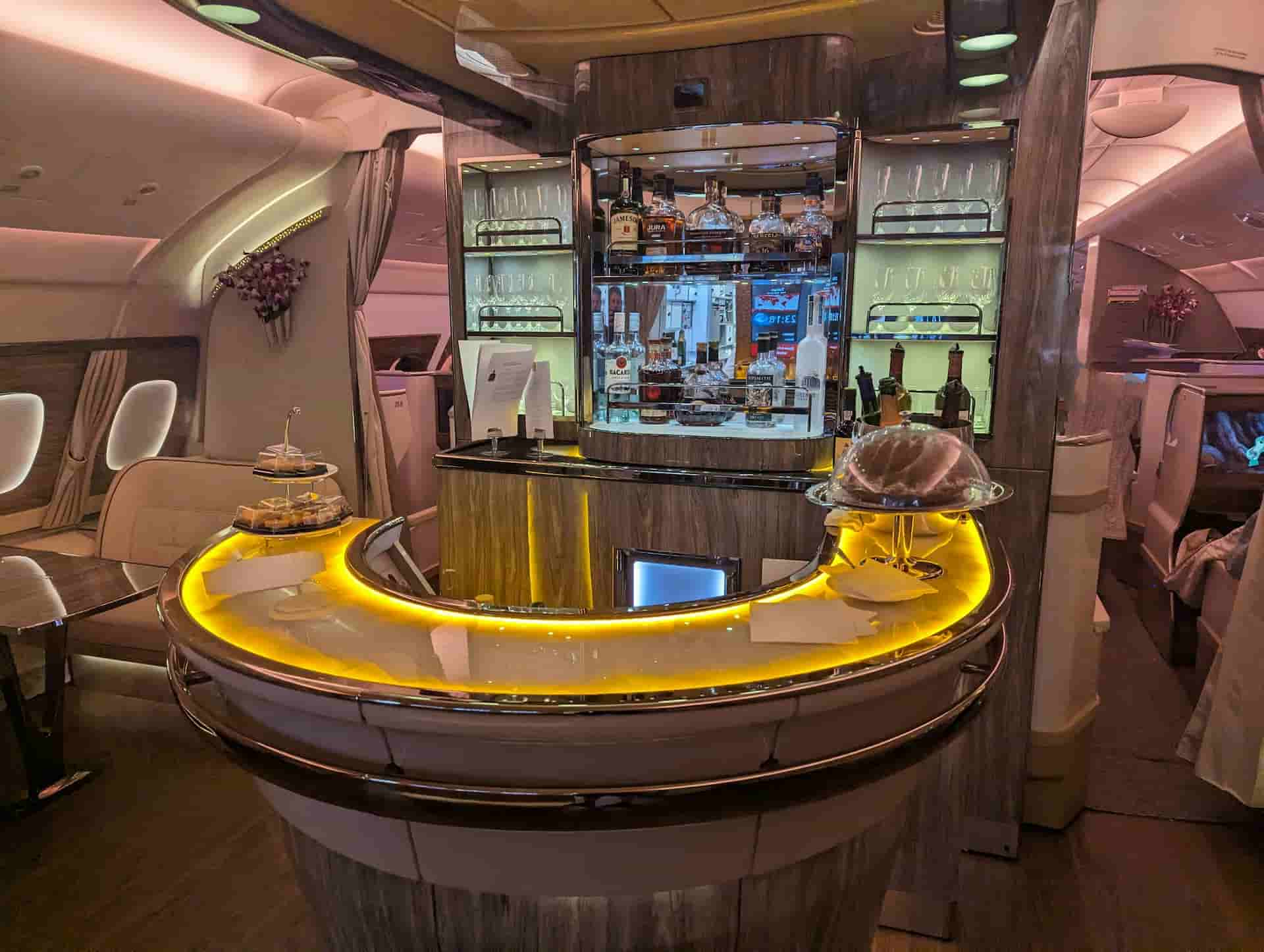
The defining feature of business class on a long haul flight is the flat bed. This is not a marketing term. It is a seat that reclines to 180 degrees, allowing you to sleep horizontally for the full flight. On a 10 to 15 hour journey, sleeping properly consequently determines how you feel when you arrive. For a full breakdown of which airlines deliver this best, see our guide to the best business class airlines in 2026.
The Seat and Privacy
Modern long haul business class seats offer direct aisle access. As a result, you never step over another passenger to reach the aisle. Many newer products, Qatar Airways Qsuite, JAL’s A350-1000 suites, ANA The Room, Singapore Airlines Suites, additionally include closing doors. The difference between a business class pod and a premium economy seat is structural, not incremental.
Lounge Access
Business class passengers have access to airline lounges at departure and connection airports. On routes through major hubs, Dubai, Doha, Singapore, London Heathrow, Tokyo Haneda, these lounges offer full dining, showers, and quiet rooms. A 3-hour layover consequently becomes tolerable, sometimes even enjoyable. Premium economy passengers, with rare exceptions, receive no lounge access whatsoever.
Dining
Business class meal service on international carriers is a different category from premium economy. Multi course menus, chef curated seasonal ingredients, fine wine, and on demand dining are standard on Emirates, Qatar Airways, Singapore Airlines, Lufthansa, and the major Japanese carriers. Premium economy meals are better than economy. Nevertheless, business class dining on top carriers is genuinely good food, not airline catering dressed up.
Priority Services and Amenities
Business class includes priority check in, dedicated security lanes at many airports, priority boarding, and faster baggage delivery on arrival. Noise cancelling headphones are additionally standard. Pyjamas are provided on overnight flights. The baggage allowance is substantially higher. None of these, however, are available in premium economy.
How Pricing Compares in 2026
On a transatlantic route such as New York to London, premium economy round trip fares typically range from $1,200 to $2,500. Business class on the same route, by contrast, runs $3,500 to $7,000 at published retail prices. That gap is real, and it’s the main reason travelers hesitate. Our guide to flying business class to Europe for less explains how to close that gap on transatlantic routes specifically.
Why the Price Gap Is Smaller Than It Appears
The calculation changes when you factor in how business class is actually sold. Airlines allocate a portion of their inventory to wholesale and consolidator channels. These channels are not accessible through standard booking platforms. Travelers who access them through a specialist flight concierge service, however, regularly pay below the published retail fare for the same seat. To put a number on it, our starting business class fares from New York in July 2026 are $1,929 round trip to London and $2,519 to Tokyo. Set the London figure against the $1,200 to $2,500 premium economy band above and the two cabins overlap, which is the whole point.
On transpacific routes, Los Angeles to Tokyo, for example, premium economy fares typically range from $1,800 to $3,500 round trip. Business class at published rates, meanwhile, runs $4,500 to $9,000. The flight is 12 to 14 hours. That consequently changes the conversation about what a flat bed is worth, and we take that question apart properly in Is Business Class Worth It?
Considering business class but concerned about the cost?
Winghoppers agents search across airlines and travel networks worldwide to find the best available price for your specific route.
Is Business Class Worth It? How to Decide
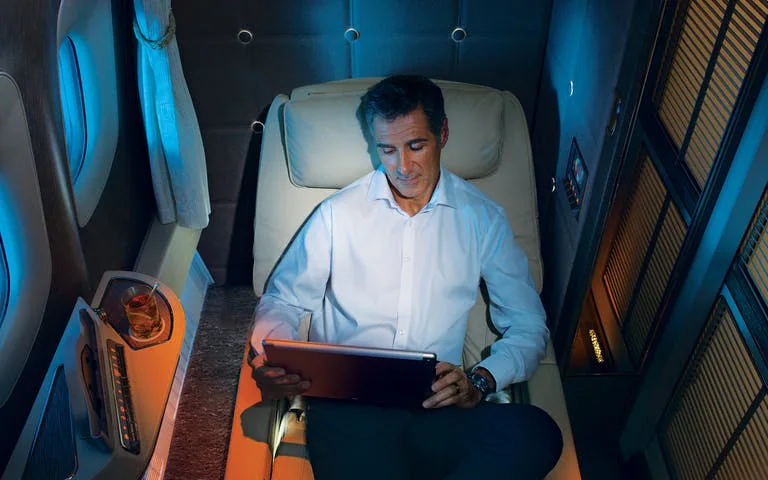
The honest answer depends on three things: flight length, purpose of travel, and the price you actually pay.
Flight Length
On flights under 6 hours, premium economy is often the sensible choice. The flight is short enough that a flat bed matters less. For flights of 8 hours or more, and particularly for overnight travel, the flat bed therefore becomes the single biggest variable. Arriving in Tokyo, Sydney, or Johannesburg having slept properly is a materially different experience from arriving after 13 hours reclined.
Purpose of Travel
Business travelers who need to perform on arrival have a strong case for business class on any long haul route. For leisure travelers, however, the calculus is more personal. Many travelers who fly business class for the first time find it difficult to consider premium economy again on flights of similar length, not because of status, but because of the sleep. Our article on why premium flying changes how you travel explores this shift in more detail.
The Price You Actually Pay
The published retail fare is not the only available price. Airlines make a portion of their inventory available through trade channels at rates below what appears publicly. When business class is consequently accessible near premium economy’s retail price, the decision often resolves itself quickly.
The gap narrows fastest on the routes we book most. Our pages for business class flights to London and Tokyo carry the current starting fares on both corridors mentioned above.
Premium Economy: Where It Makes Sense
Premium economy isn’t the wrong choice, it’s the right choice in specific situations. If the flight is under 7 hours, if you sleep easily in any seat, or if the price difference doesn’t fit your budget, premium economy on a quality carrier therefore delivers real comfort above standard economy.
The best premium economy products, Singapore Airlines Premium Economy, Air New Zealand on transpacific routes, Qatar Airways on certain routings, are genuinely excellent. Wider seats, a footrest, better food, and a quieter cabin additionally make a real difference on shorter long haul routes.
The limitation appears specifically on overnight flights of 10 hours or more. At that point, the inability to lie flat becomes a physical constraint rather than a comfort preference.
What to Check Before Booking Either Cabin
Not all business class products are equal, and not all premium economy cabins are equal. Before booking either, therefore, check the specific aircraft type on your route. Airlines use different seat configurations on different aircraft.
Checking Business Class
Confirm direct aisle access and a true flat bed seat. Also check whether your route operates the airline’s newest cabin product or an older configuration. On carriers like Emirates, Qatar Airways, and Singapore Airlines, the newest suites represent a substantially different experience from older flat bed products on the same airline.
Checking Premium Economy
Look at the actual seat pitch and width, not just the label. US carrier premium economy at 35 inches of pitch is a different product from British Airways Premium Economy at 38 inches with a footrest and leg rest. Notably, seat maps on tools like SeatGuru show the physical configuration of a specific aircraft before you book.
Frequently Asked Questions
The primary difference is the seat. Business class offers a fully flat bed, direct aisle access, and typically a private enclosed space. Premium economy offers a wider, more reclined seat than economy but does not convert to a flat bed. Business class also includes lounge access, priority services, significantly better dining, and amenities like pyjamas that premium economy does not provide.
On flights under 6 to 7 hours, premium economy often represents better value. On flights of 10 hours or more, particularly overnight journeys, the flat bed in business class is a functional advantage that directly affects how rested you arrive. The calculation also changes when business class is booked through a specialist flight service at below retail pricing.
On most airlines, premium economy does not include lounge access. Lounge access is a business class and first class benefit. Some travelers use paid lounge passes or credit card access independently. This is consequently one of the more significant practical differences for travelers with long layovers.
At published retail prices, business class typically costs 2 to 4 times more than premium economy on the same route. On a New York to London round trip, premium economy runs $1,200 to $2,500 while business class runs $3,500 to $7,000. That gap narrows, however, when business class is booked through wholesale channels or a flight concierge service.
Among the strongest options are Singapore Airlines Premium Economy, Air New Zealand on transpacific routes, and British Airways World Traveller Plus. Even so, the best premium economy cabin on a 12-hour overnight flight still means sleeping reclined rather than flat. Many travelers who try business class on a comparable route consequently find it hard to return to premium economy for similar journey lengths.
Find Business Class at a Better Price
Winghoppers agents search across airlines and travel networks worldwide to find the best available price for your specific route and dates. Business class at below retail pricing makes the comparison with premium economy look very different.
Request a free quote, there’s no commitment and no fee.
Most popular stories
View all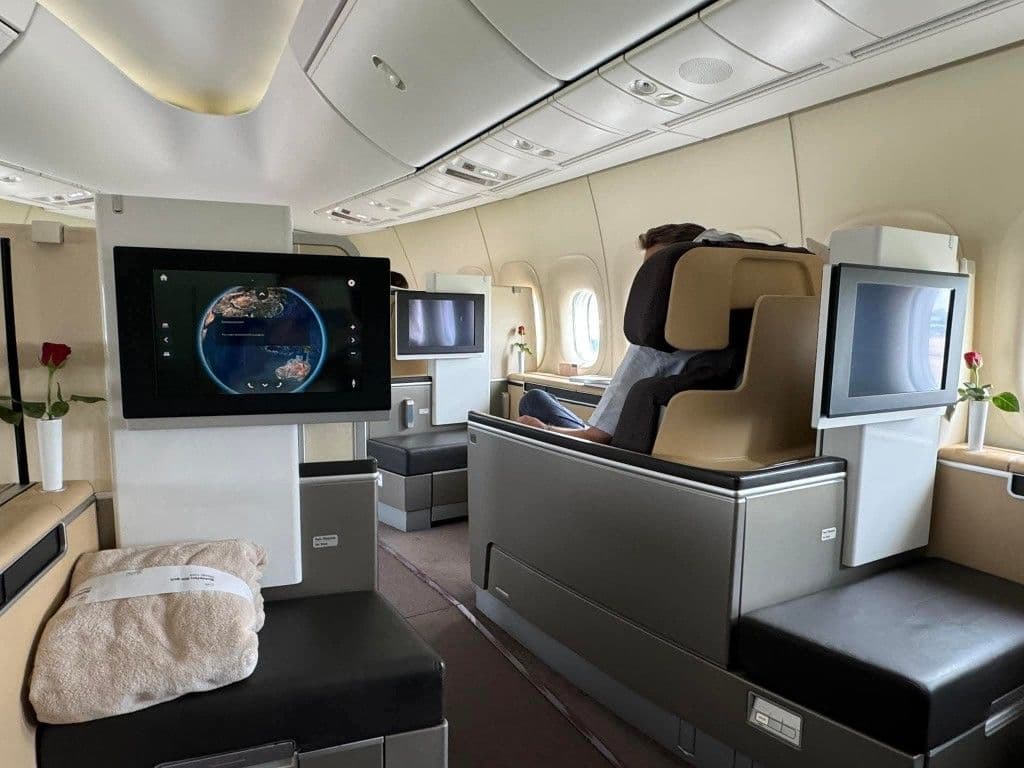
The Worst Business Class Seats, and How to Spot Them
The weakest business class cabins fly on well known airlines, on aircraft that were never refitted, at the same price as far better seats.
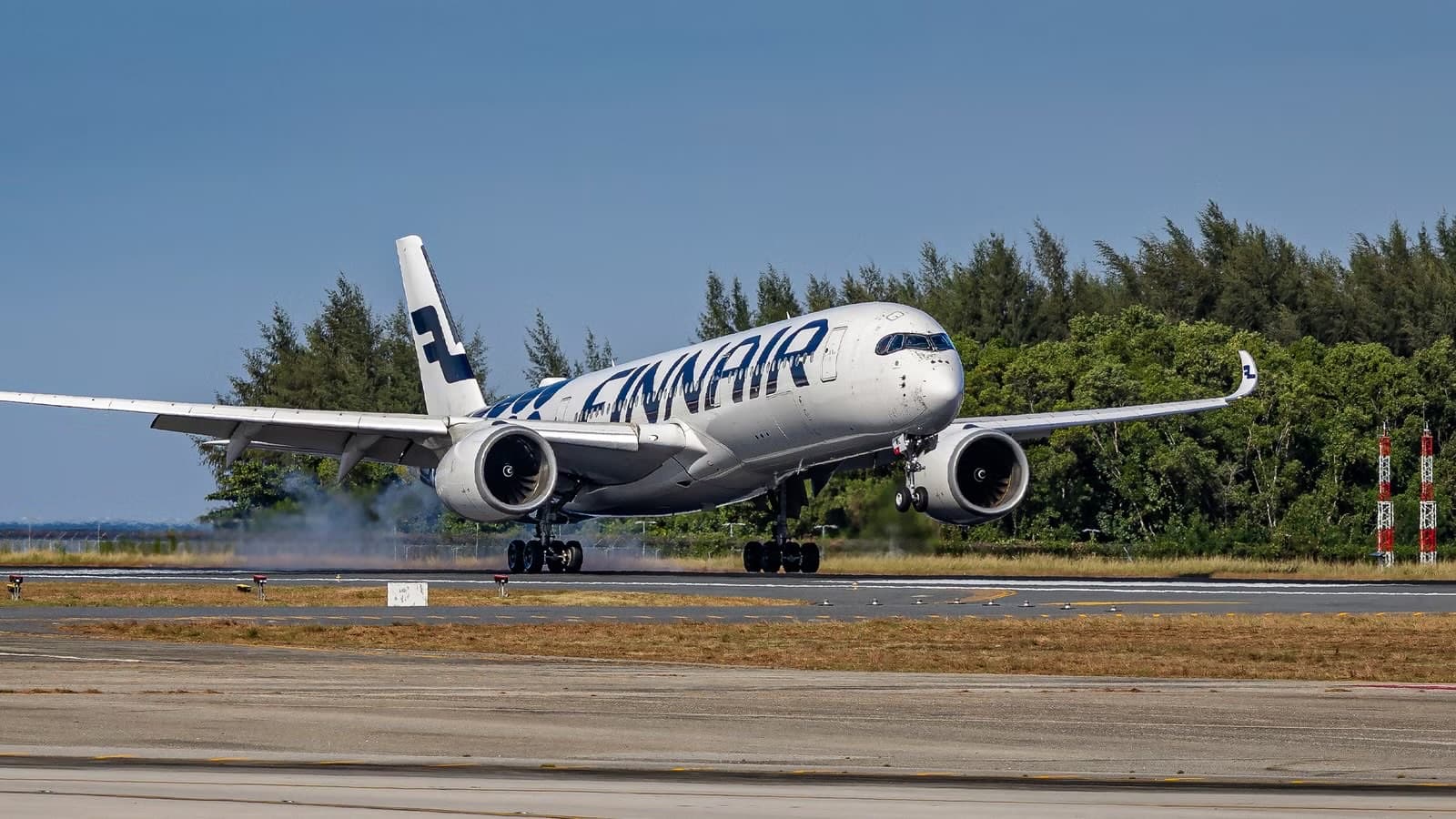
Fifth Freedom Flights: Widebody Cabins on Short Routes
A fifth freedom flight puts a long haul widebody and its flat bed on a route that would normally get a narrowbody recliner. How to find them.
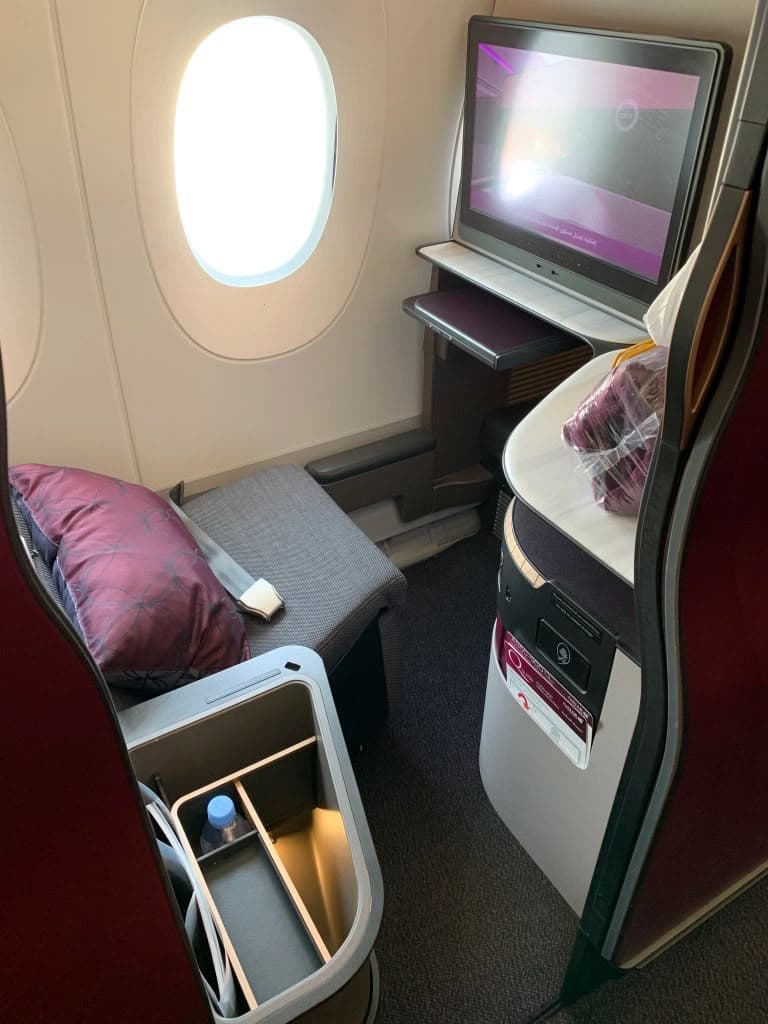
Reverse Herringbone: How to Read a Business Class Cabin
The seat layout decides your flight more than the airline does. How to spot reverse herringbone, staggered and legacy cabins before you pay.
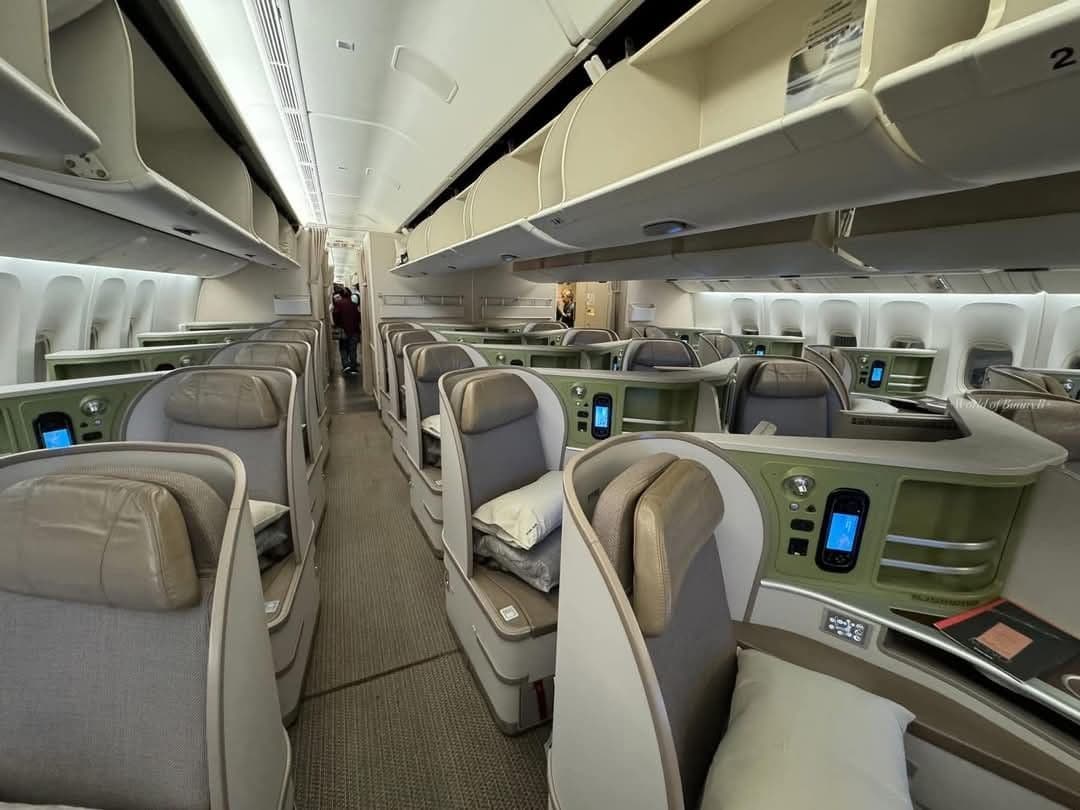
Boeing 787 vs Airbus A350 Business Class: The Numbers
Five inches separate the A350 and 787 cabins. Where that width goes, what it changes in business class, and which aircraft to ask for.
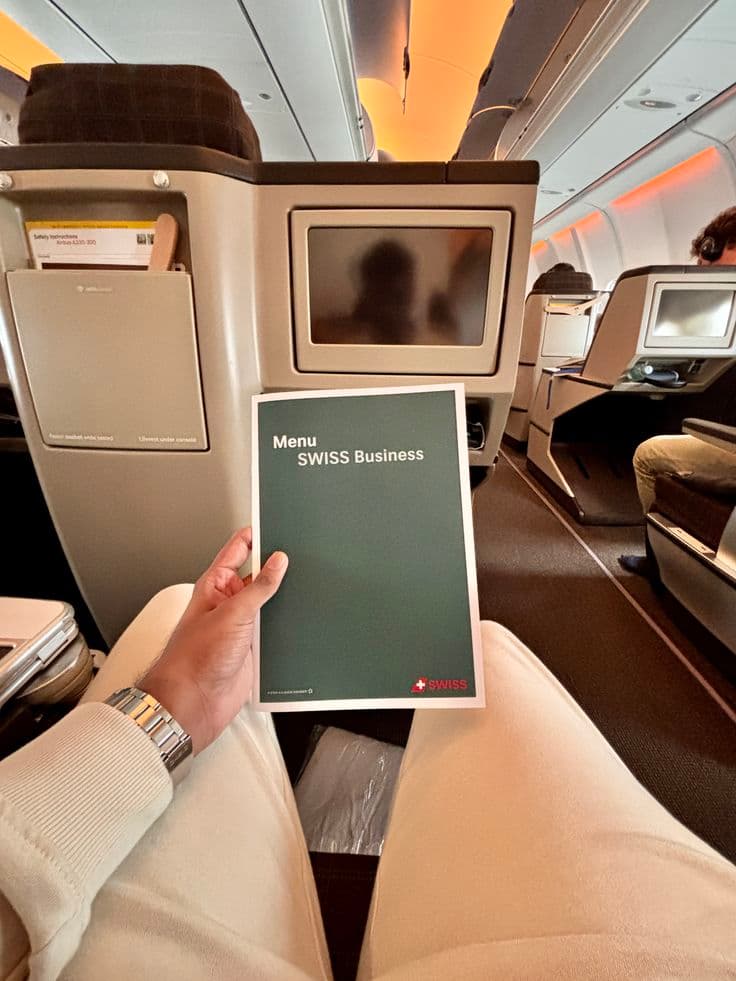
Swiss Business Class vs Lufthansa Allegris: Which to Fly
SWISS put five seat types in its A350 cabin. Lufthansa put seven. Which Lufthansa Group business class is the safer booking?
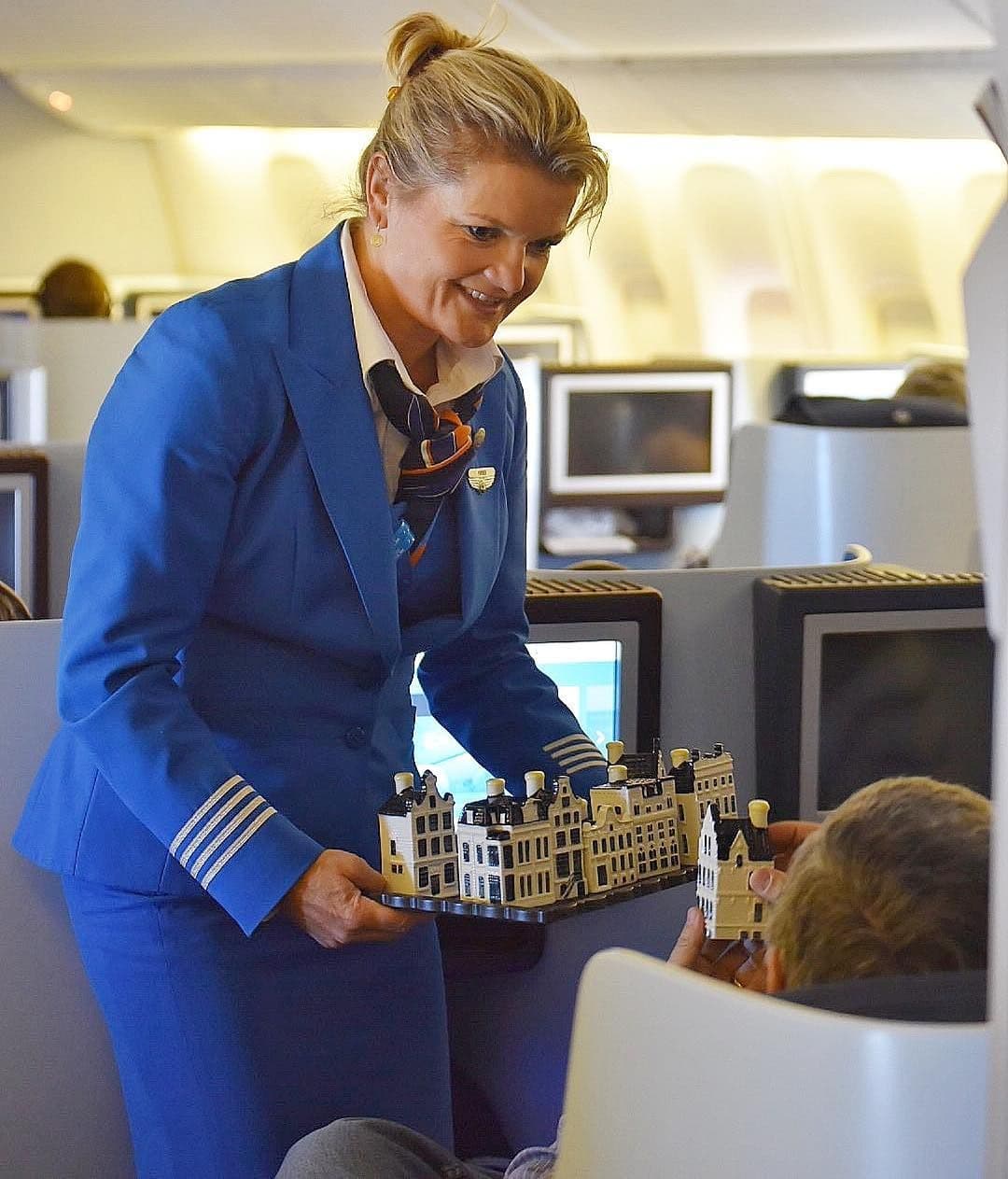
KLM Houses: How to Get One and What They Are Worth
The ceramic miniatures KLM hands out in business class since 1952: how to get one, what is inside, and which are actually worth money.
When to Book Christmas Flights in Business Class
The booking window for holiday business class opens in late July. Which December dates price worst, and the two moves that save real money.
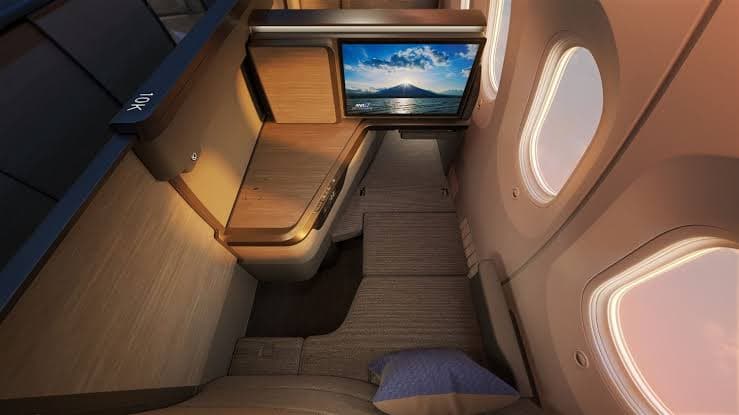
The Best Business Class Seats in 2026, Ranked
The best business class seats in 2026, ranked by the numbers: the widest and most private suites, plus the top options flying from the US.
SAVE UP TO 70%
ON business class TRAVEL