


Why You Need To Start Flying First Class
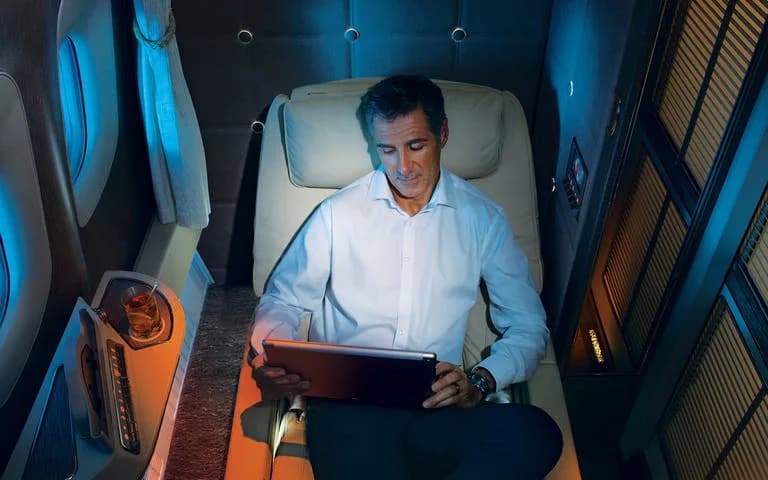
Flying first class changes the way you travel. Not because of the champagne or the wider seat, but because of what it does to a 12-hour overnight route. Why fly first class is a question worth asking seriously. The answer has more to do with productivity and rest than with luxury for its own sake. This guide breaks down what first class actually delivers, where it earns its price, and how to access it without paying the full retail fare.
What First Class Actually Gives You
First class is not a better version of business class. It is a different category of travel entirely. If you are still deciding between the two cabins, business class versus first class sets out the trade off. On major long haul carriers, the product includes a fully enclosed private suite with a closing door. It also includes a separate surface for dining and work, and a lie flat bed with genuinely hotel quality bedding.
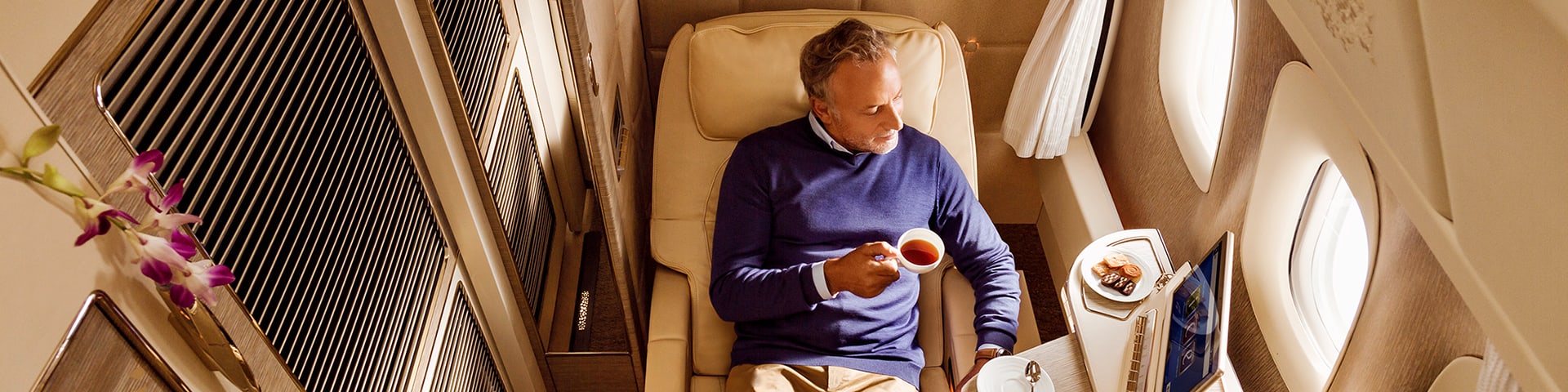
On select carriers including Emirates on the A380 and Singapore Airlines on the 777-300ER, first class suites include a separate seat and bed. These are physically distinct from each other. This is not a seat that converts into a bed. It is two separate pieces of furniture inside a single private suite.
The privacy difference matters significantly on overnight flights. A closed suite door eliminates light from the cabin aisle and noise from other passengers. For travelers who need to perform at a high level after landing, this is not a comfort preference. It is a functional advantage.
The Sleep Advantage on Long Haul Routes
For flights of ten hours or more, sleep quality on board determines how useful your first day at the destination actually is. First class bed dimensions on most wide body aircraft run between 80 and 85 inches in length. Additionally, the mattresses used by top tier carriers are purpose built for the seat. They are meaningfully different from the padding found even in excellent business class products.
Several airlines provide dedicated turndown service, including fresh linens, a mattress topper, and sleepwear. Qatar Airways first class on the A380 also includes access to the Al Safwa Lounge in Doha. As of 2026, this lounge is widely regarded as one of the finest airport lounges in the world. That ground experience sets the tone well before the flight begins.
For travelers deciding between the two premium tiers, our guide to business class vs premium economy covers the step below in detail.
Dining: A Different Standard Entirely
First class dining operates on a different model from business class. The distinction is not only menu quality. It is also structure and timing. Most first class cabins offer full dine on demand service with no set meal schedule. Furthermore, menus are developed with input from michelin level culinary teams.
Emirates first class features dishes created in partnership with a panel of international chefs. Meals are served on bone china with a dedicated wine list managed by in house sommeliers. Notably, the wine and Champagne programs in first class are materially different from what business class passengers receive on the same flight. Emirates first class serves Dom Pérignon as standard. Singapore Airlines first class includes a curated list of wines matched to the menu by vintage and route.
These are not marginal upgrades to the business class program. They are distinct offerings built for a different expectation of service. For a detailed look at one of the strongest first class products flying today, see our Emirates first class guide.
Ground Experience: Lounges and Priority Access
The first class experience starts well before boarding. Dedicated first class lounges at major hub airports operate differently from business class lounges in both scale and exclusivity. For example, the Emirates First Class Lounge at Dubai International includes private dining rooms, spa treatment suites, and a separate check in terminal. Similarly, Lufthansa’s First Class Terminal in Frankfurt is a standalone facility with personal attendants and a private car transfer to the aircraft.
Priority processing at immigration, separate security lanes, and dedicated boarding channels are all standard inclusions. For frequent travelers whose time has a measurable value, the reduction in friction at both ends of the journey is a genuine productivity benefit. It is not just a perk.
The Networking Reality
First class cabins carry between four and fourteen passengers depending on the aircraft. The small number of seats creates an environment where conversations happen naturally. Business leaders, investors, and senior executives travel in first class regularly. They do so not because it signals status, but because the product genuinely serves their needs on long routes.
This is not a guaranteed networking outcome. However, for professionals who build relationships through face to face contact, a first class cabin on a 12-hour route offers a concentrated environment. Most other professional settings simply cannot match it.
First class flies on a narrower route map than business, and the Gulf carriers dominate it. Our page on flights to Dubai covers the corridor where the cabin is most widely available from the United States.
How to Pay Less Than the Retail Price
The assumption that first class is prohibitively expensive is based on retail pricing. That is the published fare that appears on the airline website or a comparison platform. That price is real, but it is not the only price available.
Airlines distribute a portion of their first class inventory through wholesale networks at negotiated rates. Consequently, specialist travel agencies with access to these networks can quote first class fares that come in significantly below what airlines publish publicly. The seat, the service, and the experience are identical. The difference is the channel through which the ticket was sourced.
At Winghoppers, our agents search across these wholesale networks on your behalf. You tell us your route and dates. We come back with the real price, typically within 24 hours.
Want to know what first class costs on your route?
Winghoppers searches wholesale fare networks across all major carriers to find the best available first class price for your itinerary, not the retail price, the real one.
Is First Class Worth It?
For flights under six hours, probably not. The time in the air is short enough that the sleep advantage barely registers. Moreover, the price premium is hard to justify on a short flight. For long haul routes of ten hours or more, particularly overnight transatlantic or transpacific flights, the calculation changes considerably.
Arriving after genuine sleep, a proper meal, and a relaxed boarding process is a measurably different start to a trip. By contrast, arriving exhausted after a disrupted night in a shared cabin affects everything that follows. For professionals with back to back commitments after landing, that difference has a value that extends well beyond the flight itself.
Frequently Asked Questions
On long haul overnight routes of ten hours or more, first class delivers meaningful advantages: a larger private suite, a fully separate bed on some aircraft, more personalized service, and a distinct lounge experience at major hubs. On shorter flights, the gap narrows considerably. Whether the premium is justified depends on your route, your schedule after landing, and whether you access first class through wholesale pricing rather than retail.
As of 2026, the strongest first class products in the sky are operated by Emirates on the A380, Singapore Airlines on the 777-300ER, Qatar Airways on the A380, and Lufthansa on select long haul routes. Emirates prioritizes the onboard bar and shower suite. Singapore Airlines focuses on suite privacy and a fully separate bed. Qatar’s Al Safwa lounge in Doha is one of the strongest ground experiences attached to any first class product globally.
The most effective way is through a specialist travel agency with access to wholesale and consolidator fares. These fares are not available on public booking platforms and can come in significantly below the retail price for the same seat and service. Winghoppers sources first class fares this way across all major international carriers.
Yes, on all major international carriers. First class lounge access is included as standard and typically means access to dedicated facilities separate from business class lounges at major hub airports. At Emirates in Dubai and Lufthansa in Frankfurt, first class passengers access entirely separate terminal facilities with their own check in, security, and dining.
Ready to See What First Class Costs on Your Route?
Winghoppers searches wholesale fare networks across all major airlines to find the best available first class price for your itinerary. No retail markups. No comparison sites. Just the real price for your specific route and dates.
Most popular stories
View all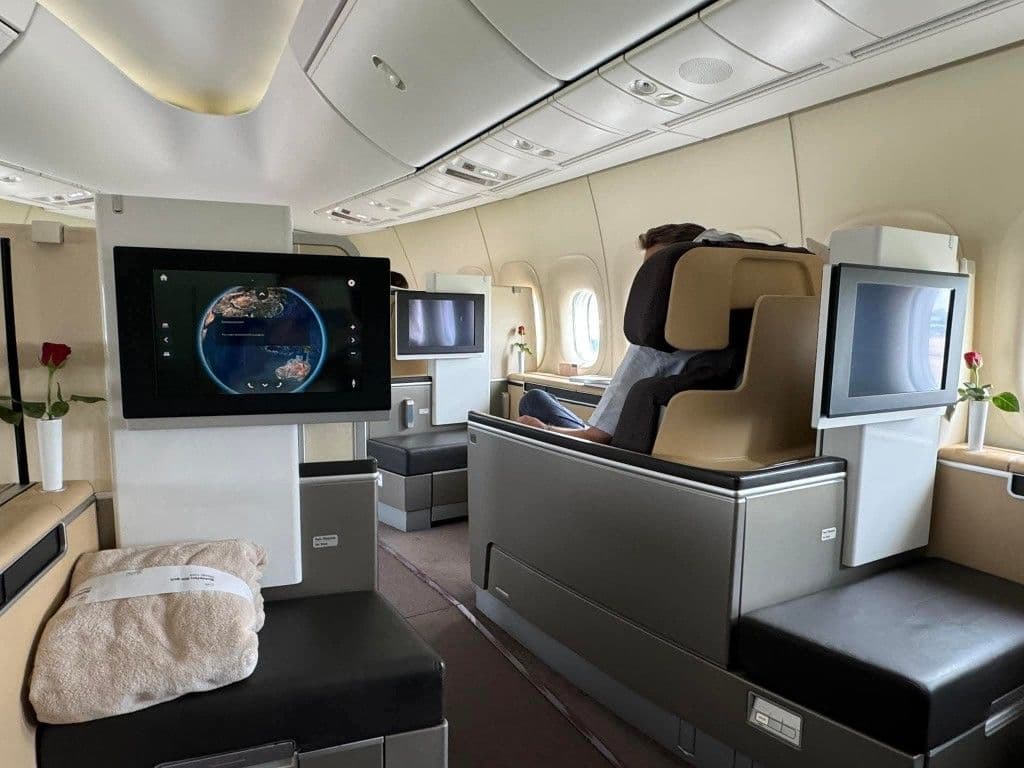
The Worst Business Class Seats, and How to Spot Them
The weakest business class cabins fly on well known airlines, on aircraft that were never refitted, at the same price as far better seats.
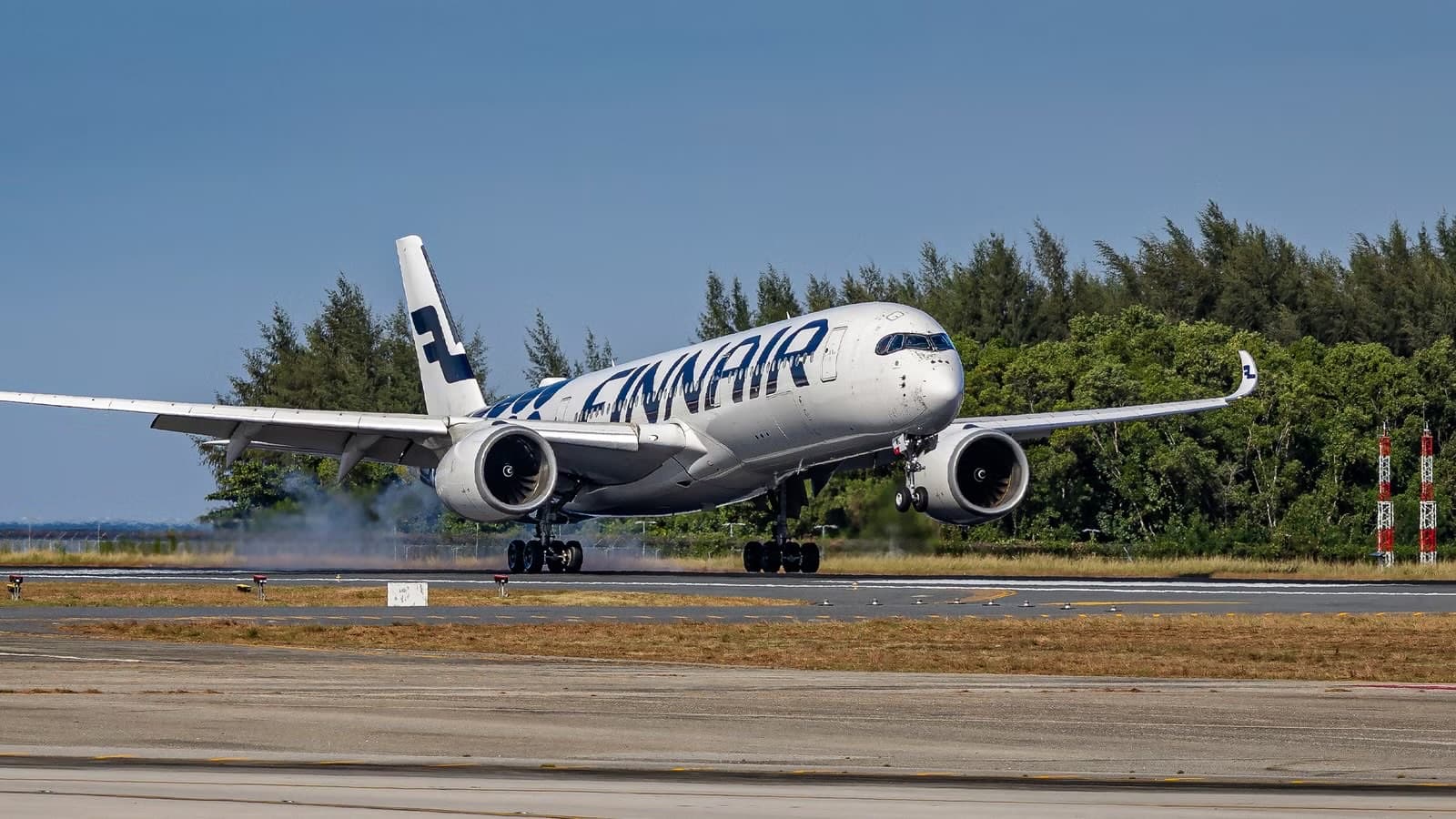
Fifth Freedom Flights: Widebody Cabins on Short Routes
A fifth freedom flight puts a long haul widebody and its flat bed on a route that would normally get a narrowbody recliner. How to find them.
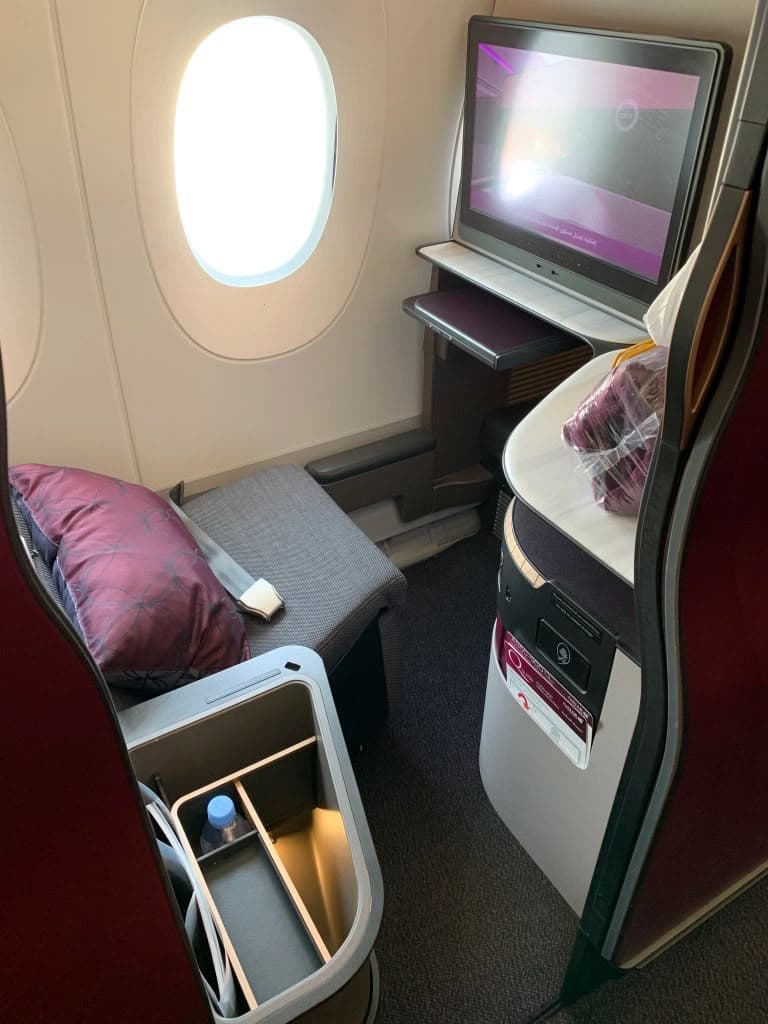
Reverse Herringbone: How to Read a Business Class Cabin
The seat layout decides your flight more than the airline does. How to spot reverse herringbone, staggered and legacy cabins before you pay.
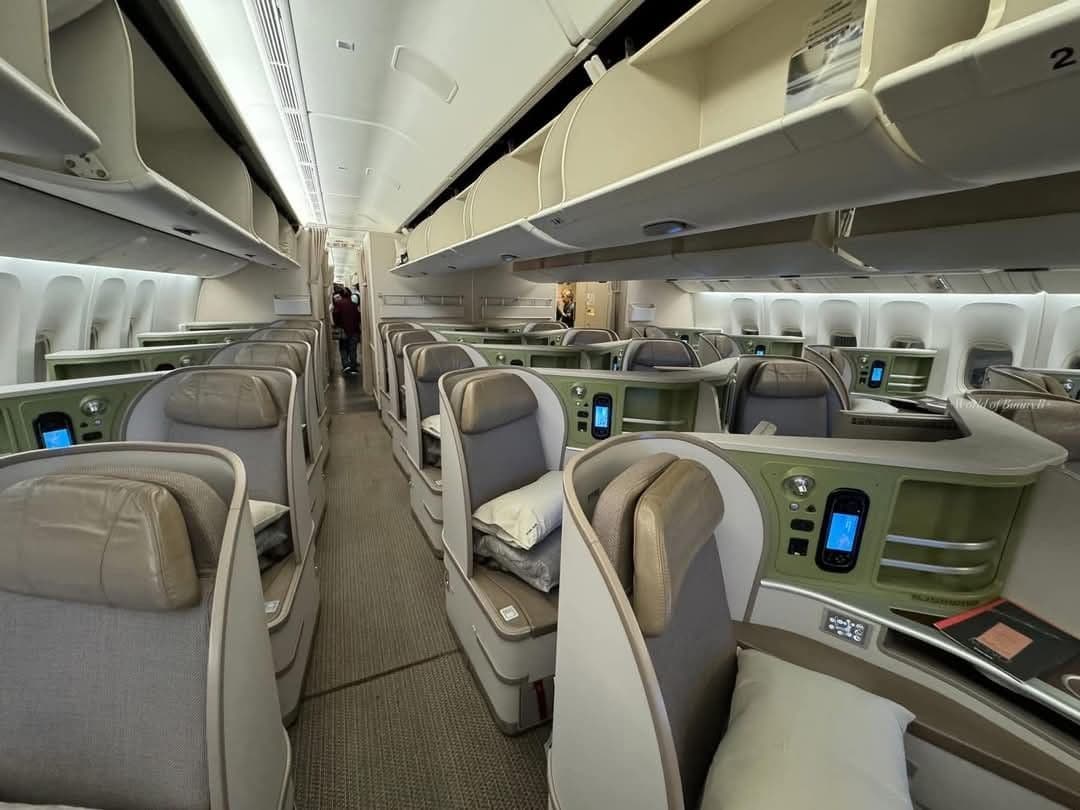
Boeing 787 vs Airbus A350 Business Class: The Numbers
Five inches separate the A350 and 787 cabins. Where that width goes, what it changes in business class, and which aircraft to ask for.
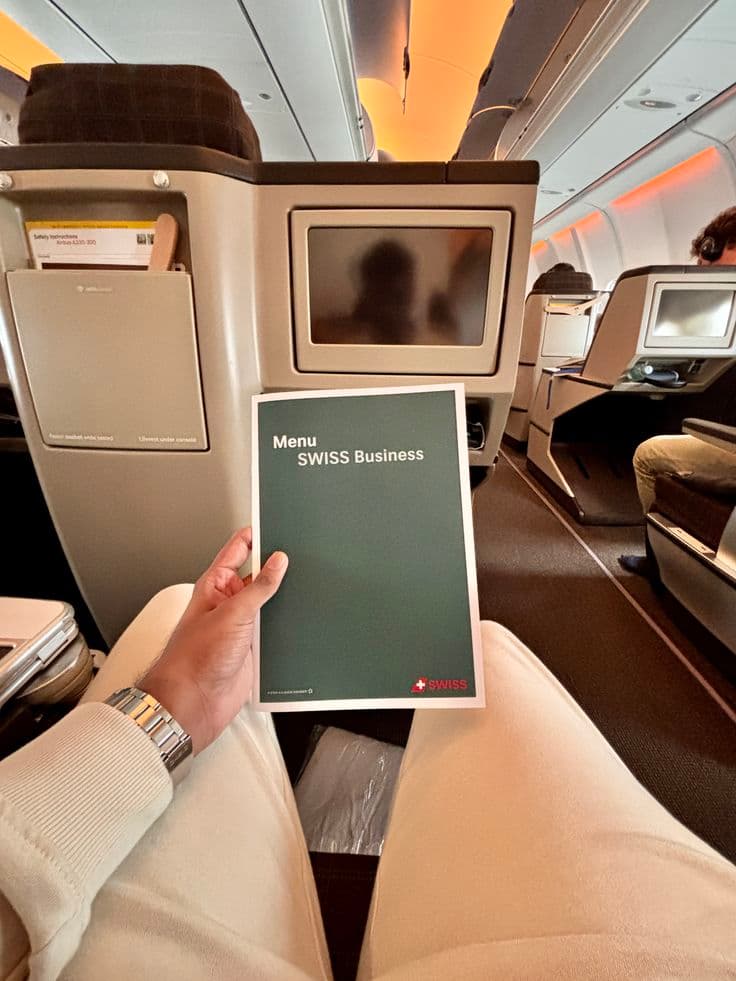
Swiss Business Class vs Lufthansa Allegris: Which to Fly
SWISS put five seat types in its A350 cabin. Lufthansa put seven. Which Lufthansa Group business class is the safer booking?
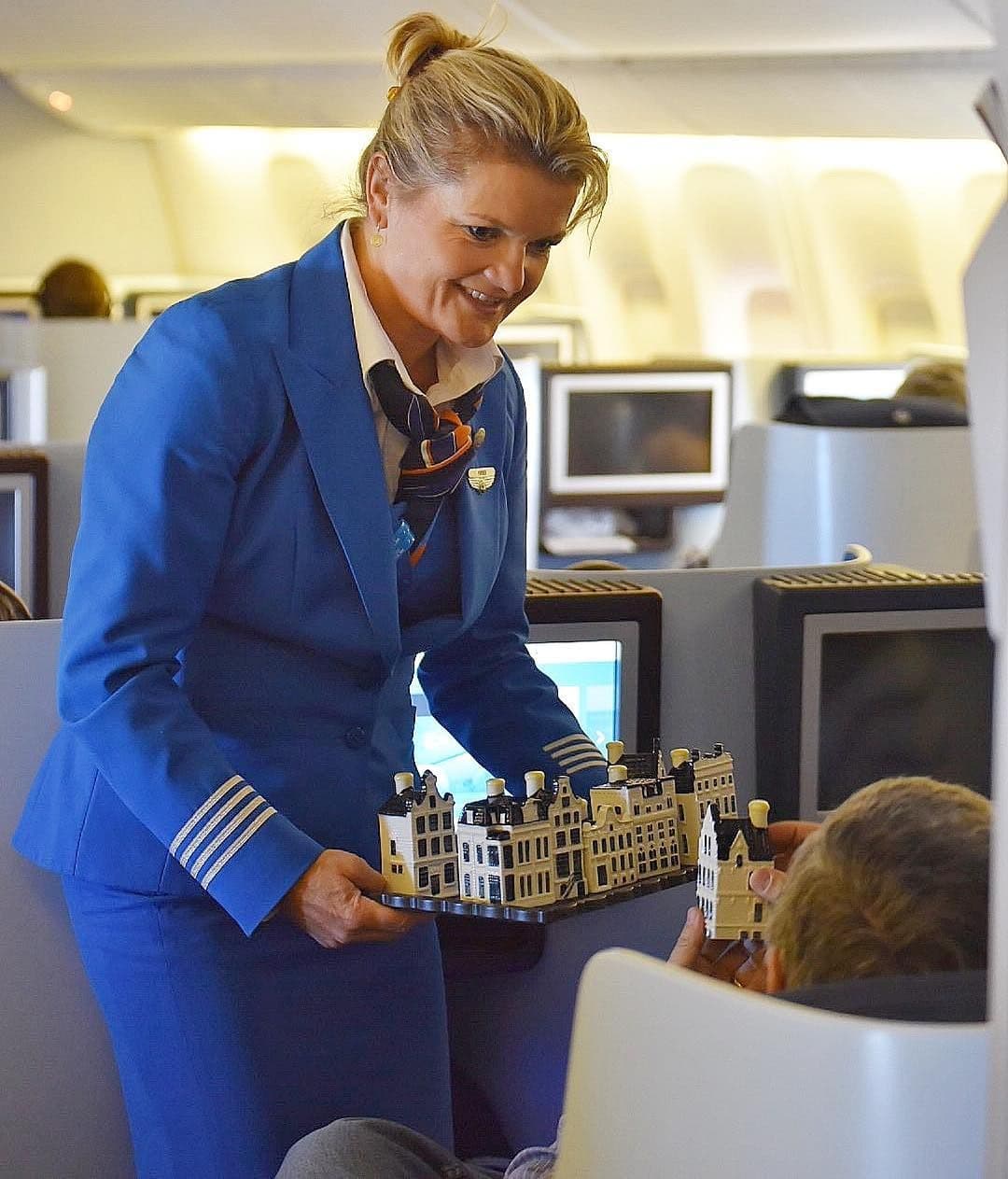
KLM Houses: How to Get One and What They Are Worth
The ceramic miniatures KLM hands out in business class since 1952: how to get one, what is inside, and which are actually worth money.
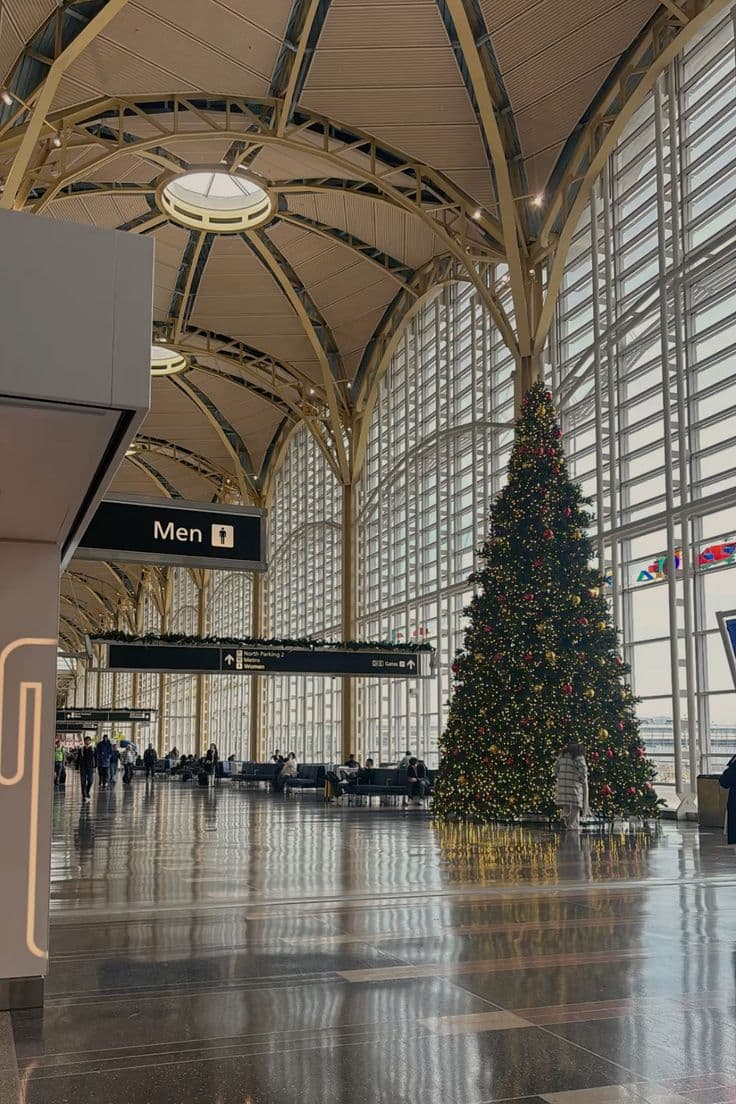
When to Book Christmas Flights in Business Class
The booking window for holiday business class opens in late July. Which December dates price worst, and the two moves that save real money.
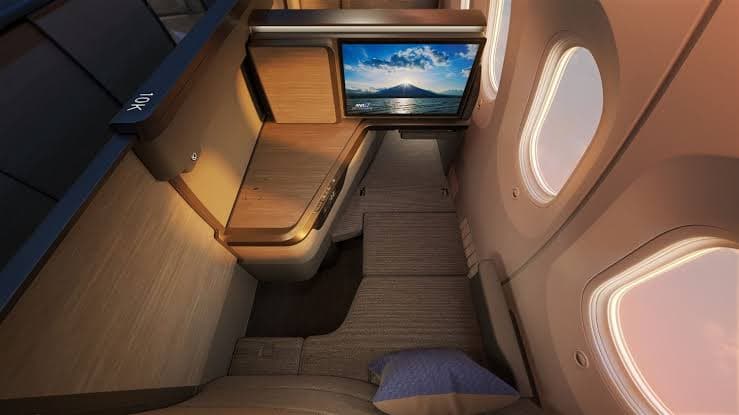
The Best Business Class Seats in 2026, Ranked
The best business class seats in 2026, ranked by the numbers: the widest and most private suites, plus the top options flying from the US.
SAVE UP TO 70%
ON first class TRAVEL